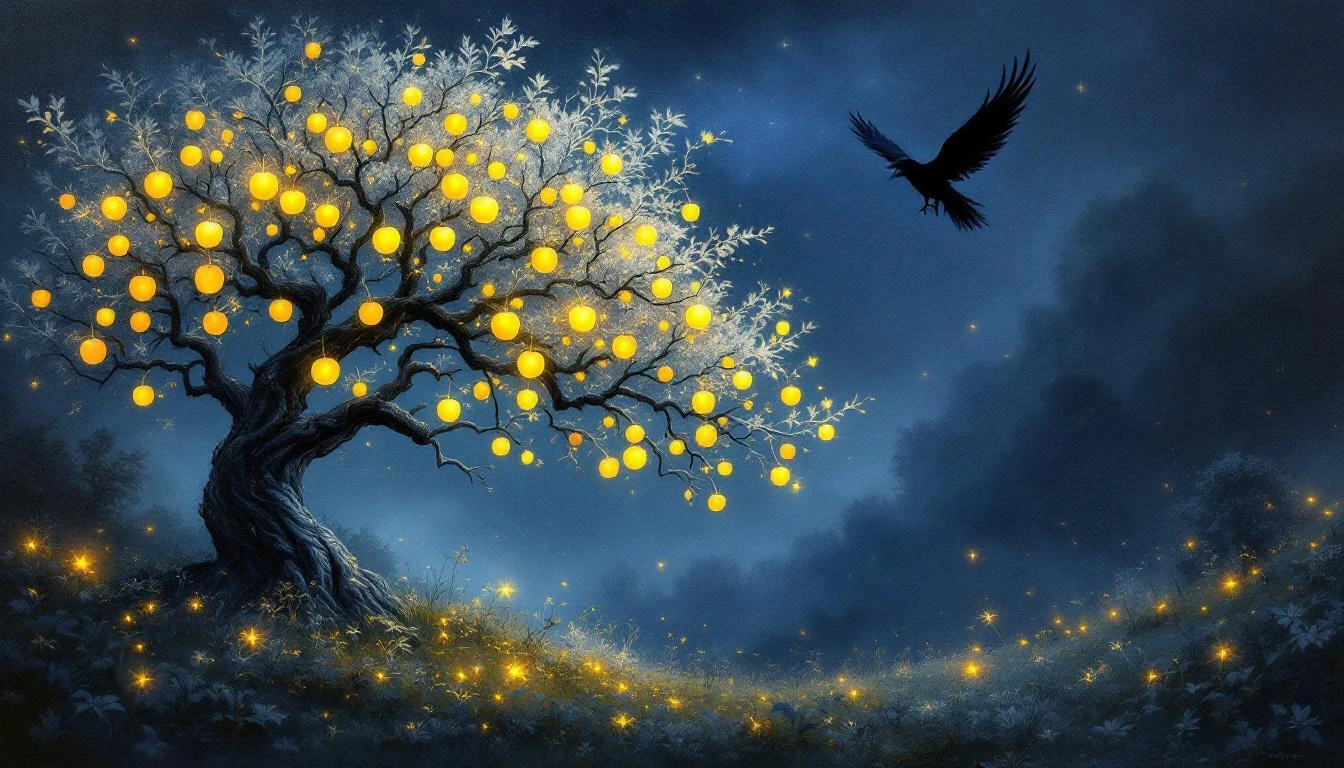
The Golden Apples: Slavic Mythology's Fruit of Immortality
In a garden at the edge of the world, golden apples grow on a silver tree. They grant eternal youth. The Firebird keeps stealing them.
Stories of ancient gods, terrifying spirits, and forgotten rituals from the darkest corners of Slavic folklore.
In a garden at the edge of the world, golden apples grow on a silver tree. They grant eternal youth. The Firebird keeps stealing them.
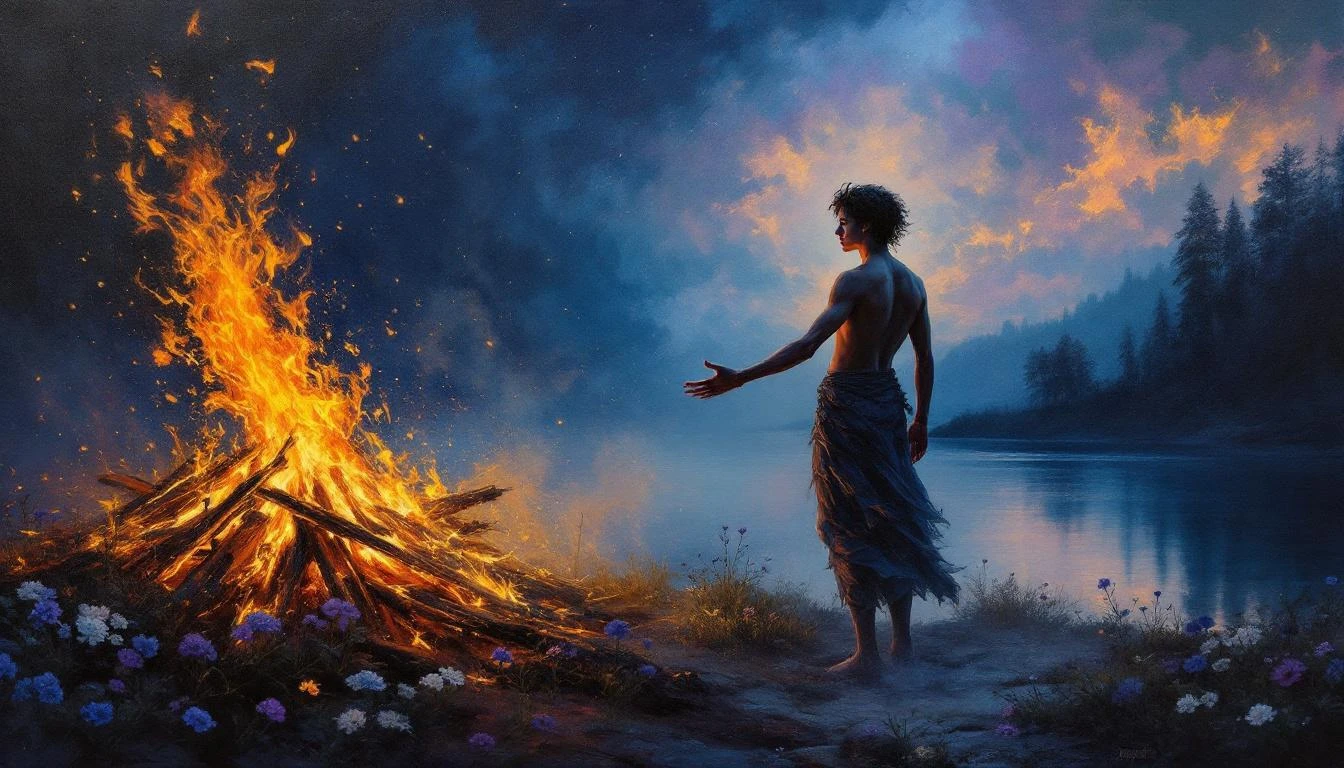
Before Kupala Night was a festival, Kupala was a god — a deity of fire and water, fertility and purification.
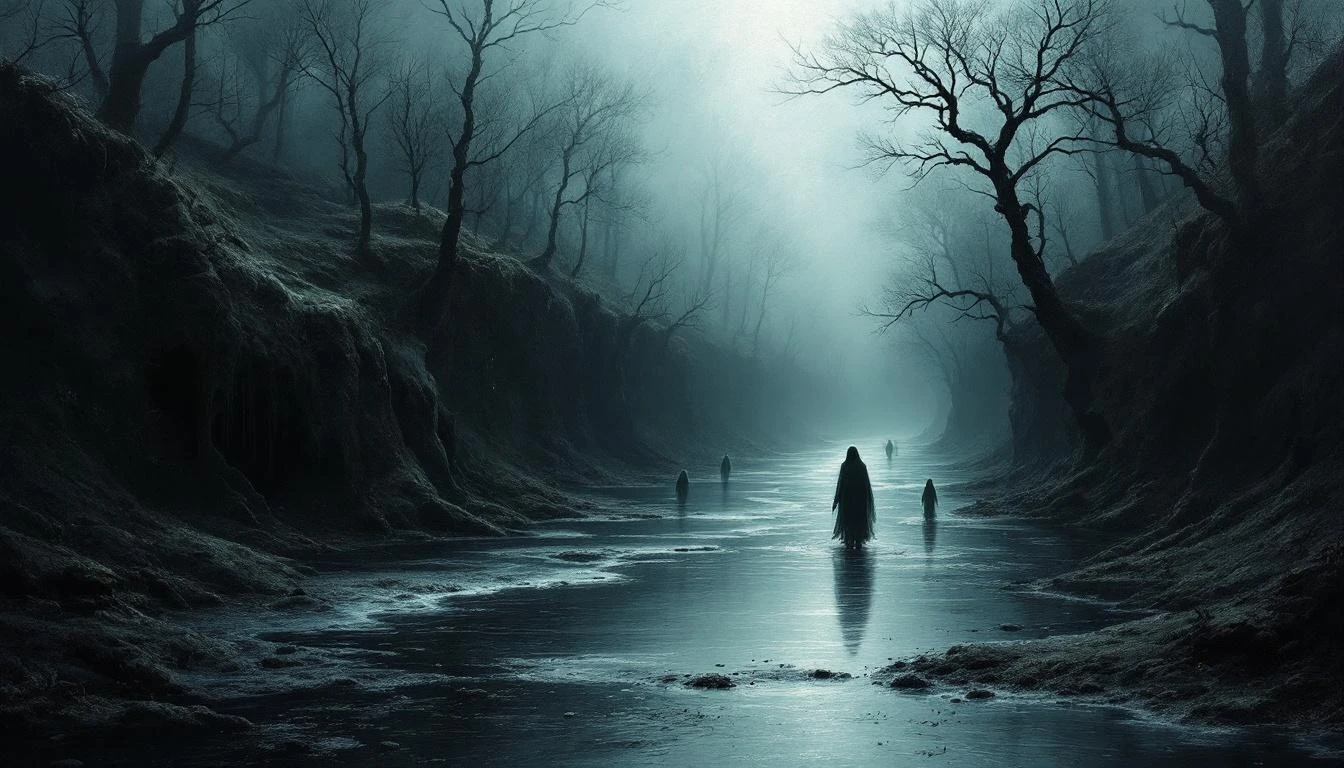
Nav is not hell. It is not heaven. It is where the dead continue to exist — eating, drinking, watching — just below the surface of your world.
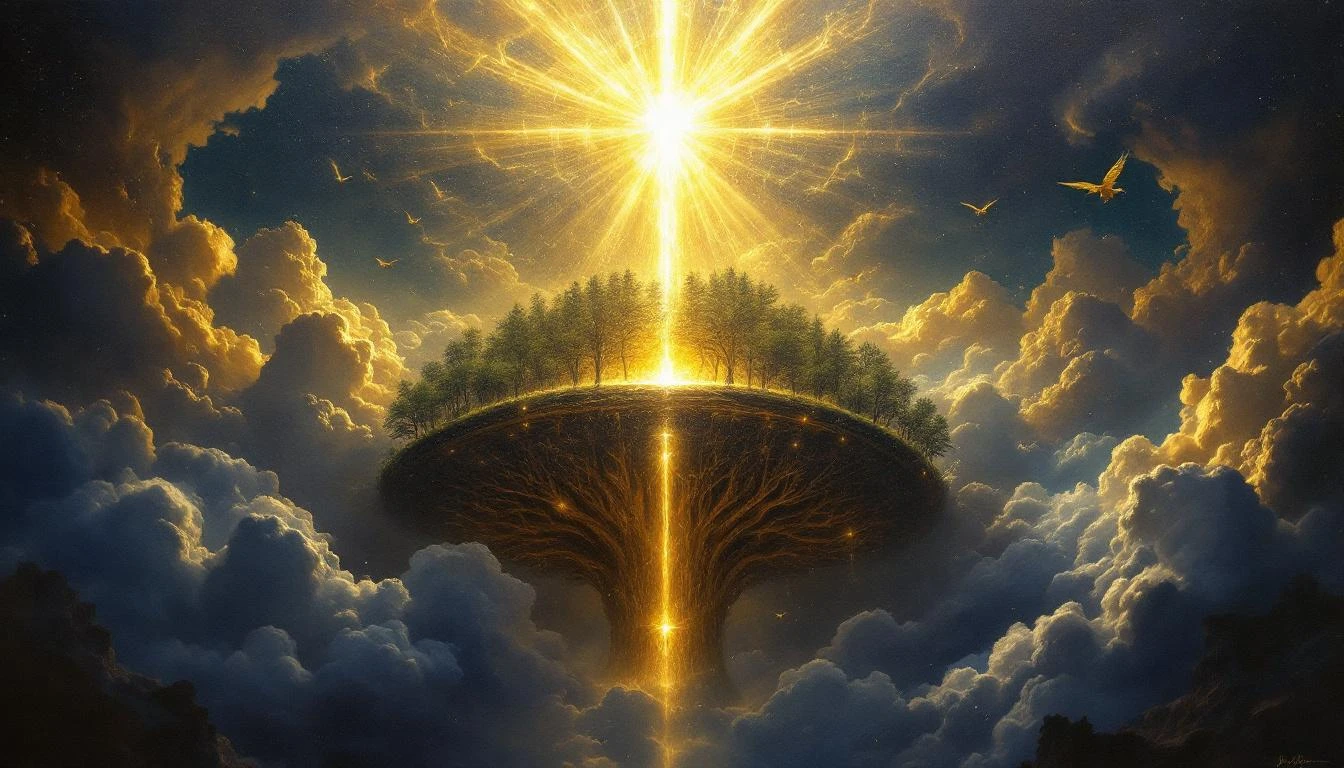
Above Yav, above the clouds — Prav. The realm of cosmic law where gods dwell and from where fate descends.
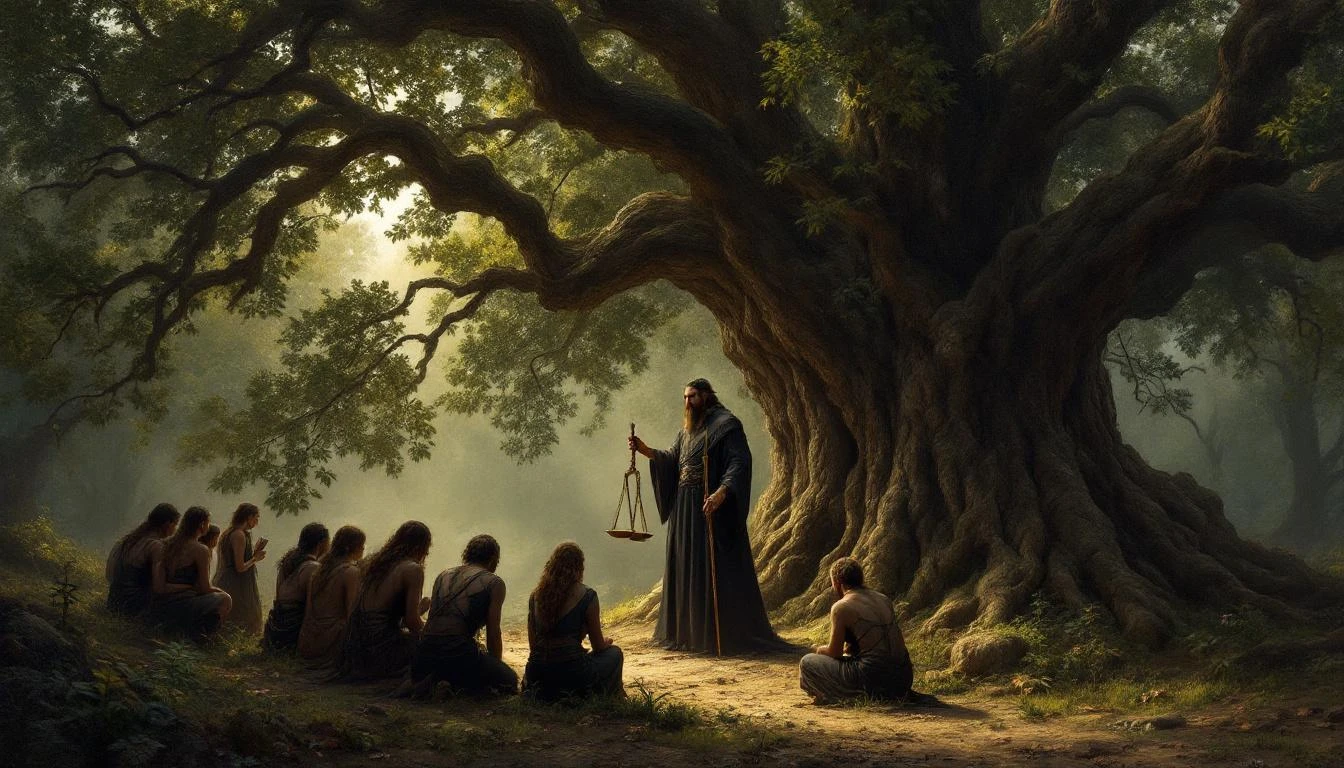
In the oak groves of the Western Slavs, one god held court. Prove was the god of law, oaths, and justice.
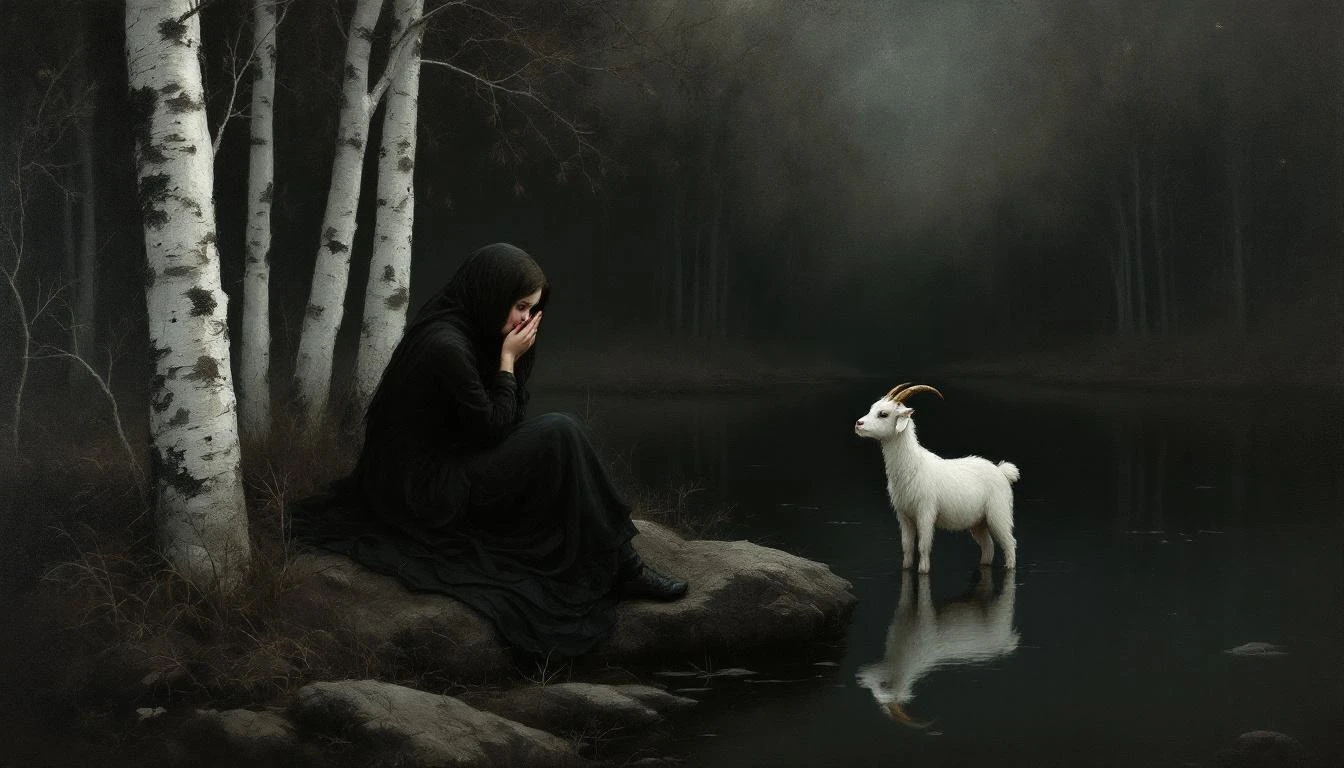
He was thirsty. She told him not to drink. He drank. He became a goat. And a witch drowned his sister in the lake.
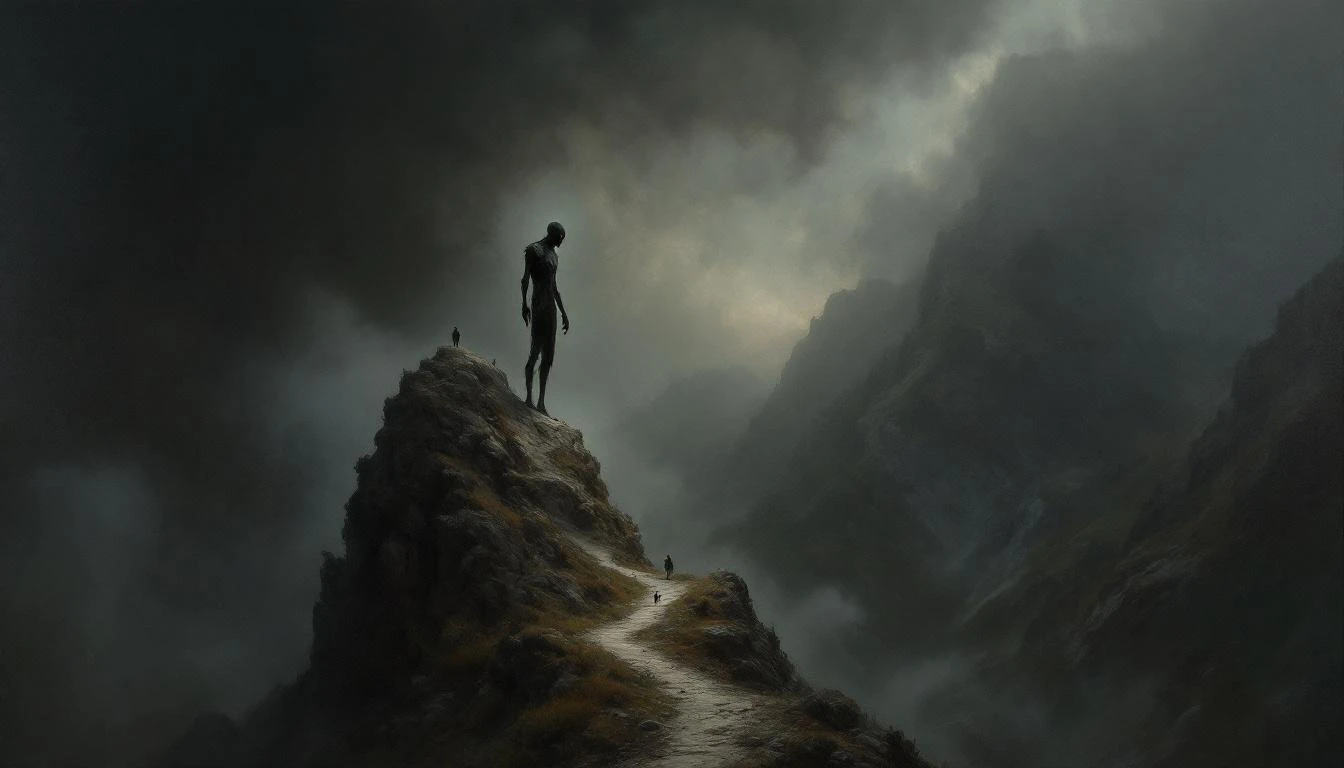
He looks like a tall thin old man. He offers to carry you across a stream. Then he throws you into the abyss.
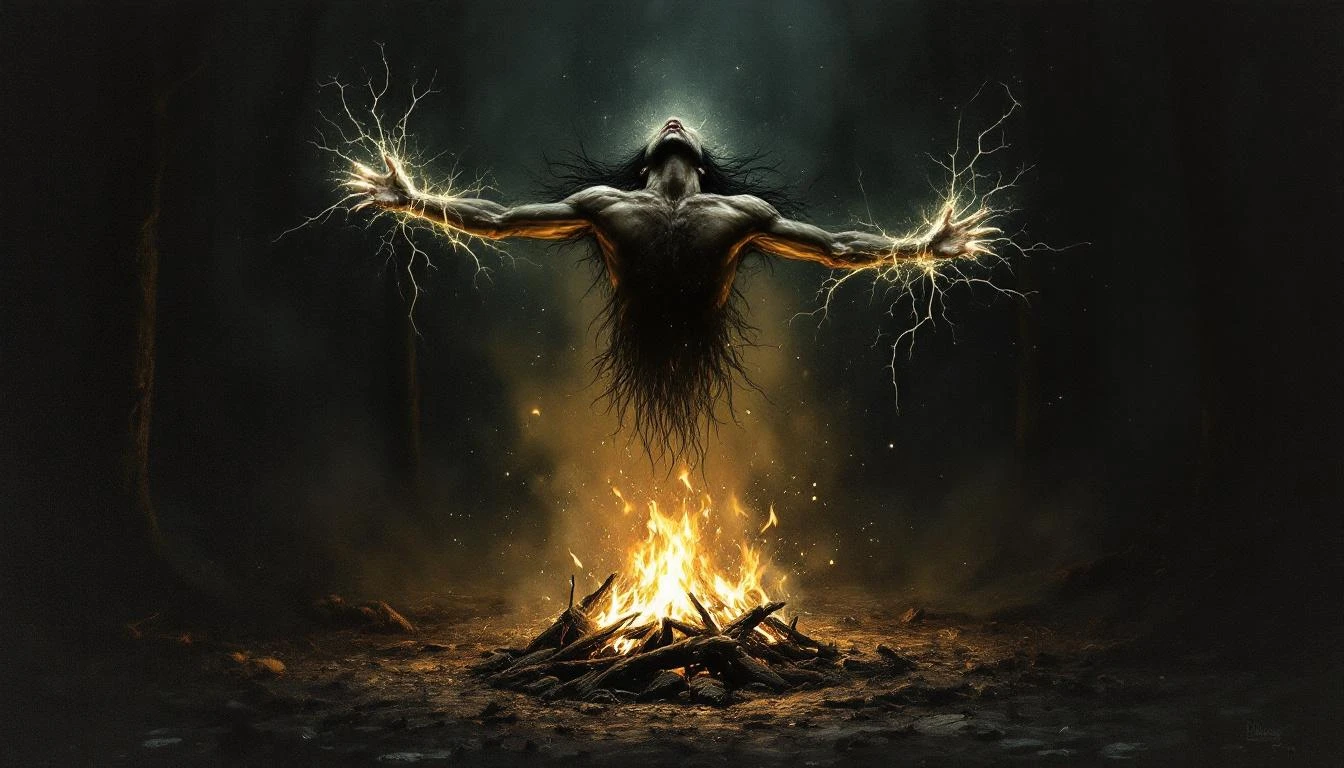
Some children are born with teeth. In Slavic and Hungarian tradition, these children become taltos — shamans who battle evil spirits in trance.
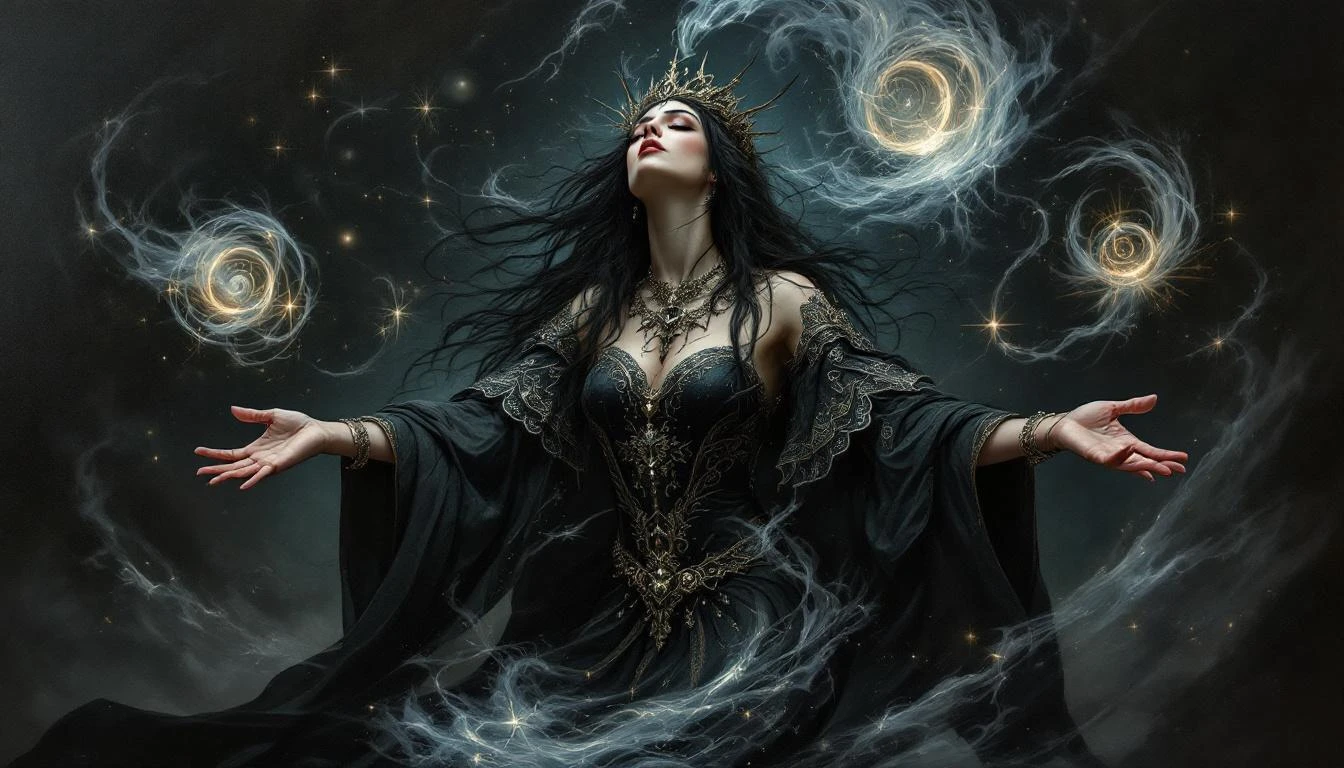
She is not Vasilisa the Beautiful. Vasilisa the Wise is a shapeshifter, a sorceress, and the cleverest character in Russian fairy tales.
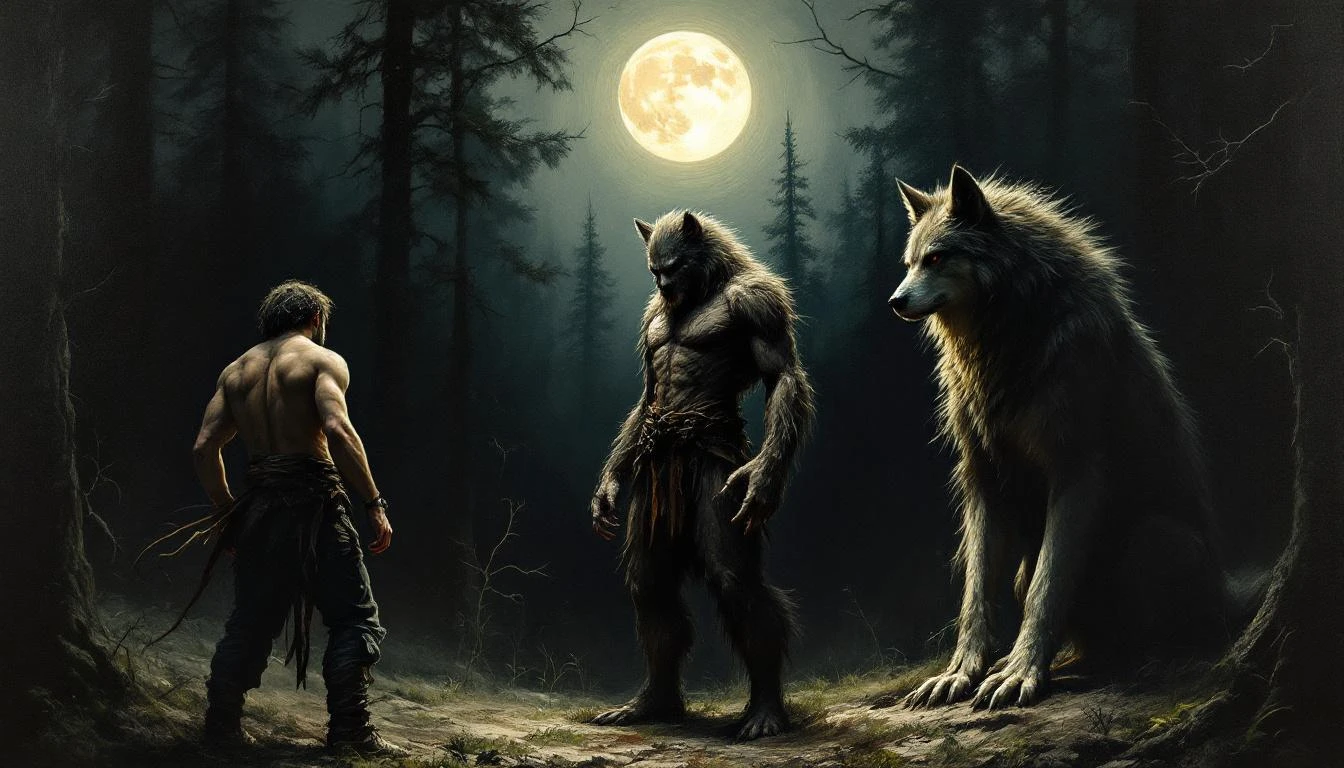
The Slavic werewolf is not Hollywood. Depending on the region, it's a cursed corpse, a storm-fighter, a sorcerer, or a saint.
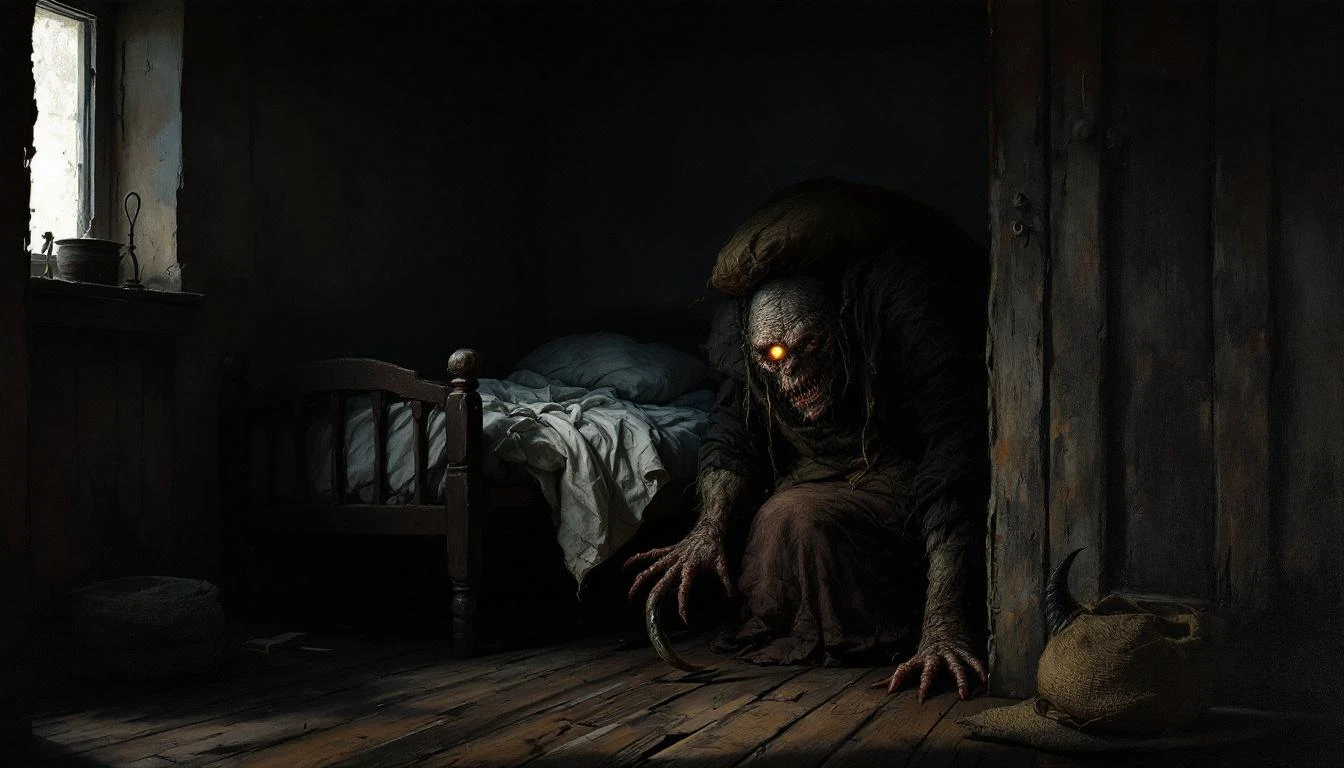
Be good or the Babaroga will come. She hides under beds, has a horn growing from her knee, and she stuffs bad children into her sack. The Slavic Bogeyman is female.
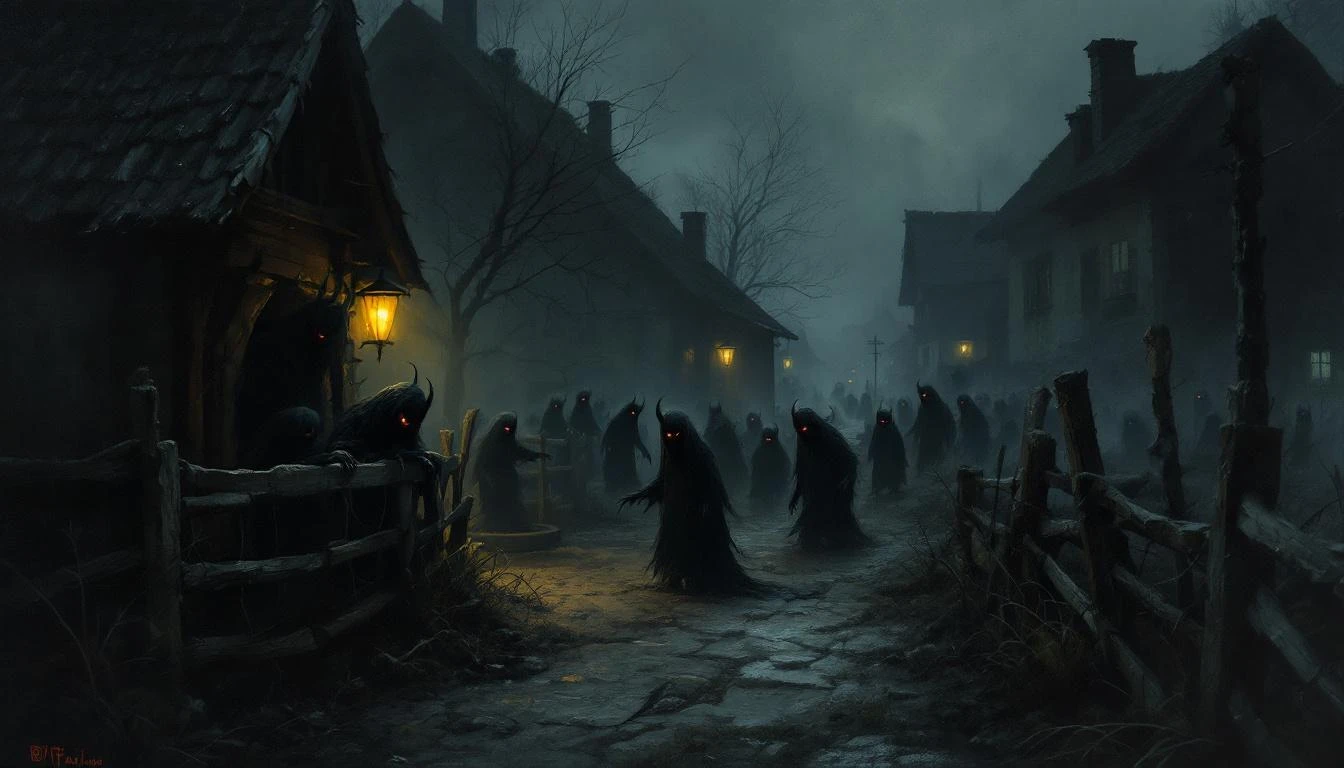
Bies is the Slavic word for demon — and it's hiding in every curse, every superstition, and every dark corner of Eastern European life.
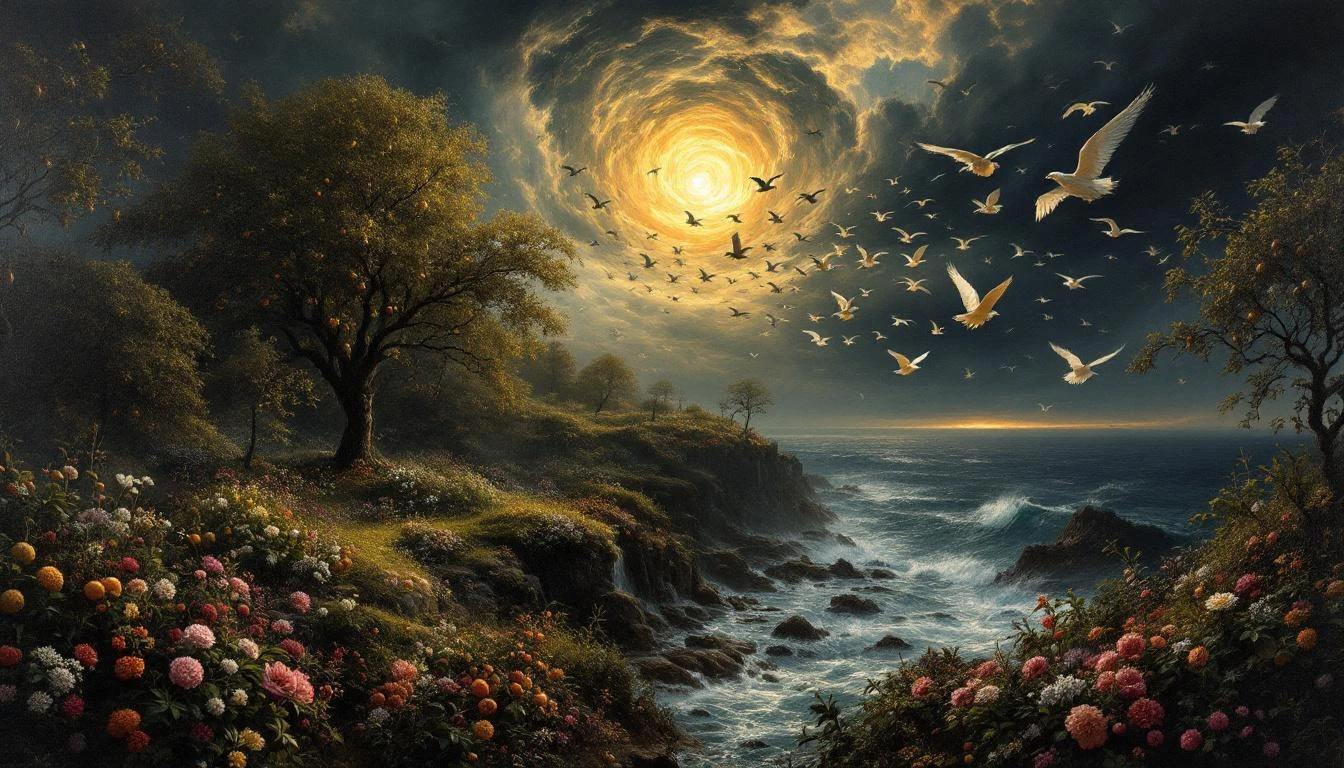
Where do the birds go when autumn comes? The Slavs knew: they fly to Iriy — a garden beyond the sea where the dead feast, springs never freeze, and winter has no power.
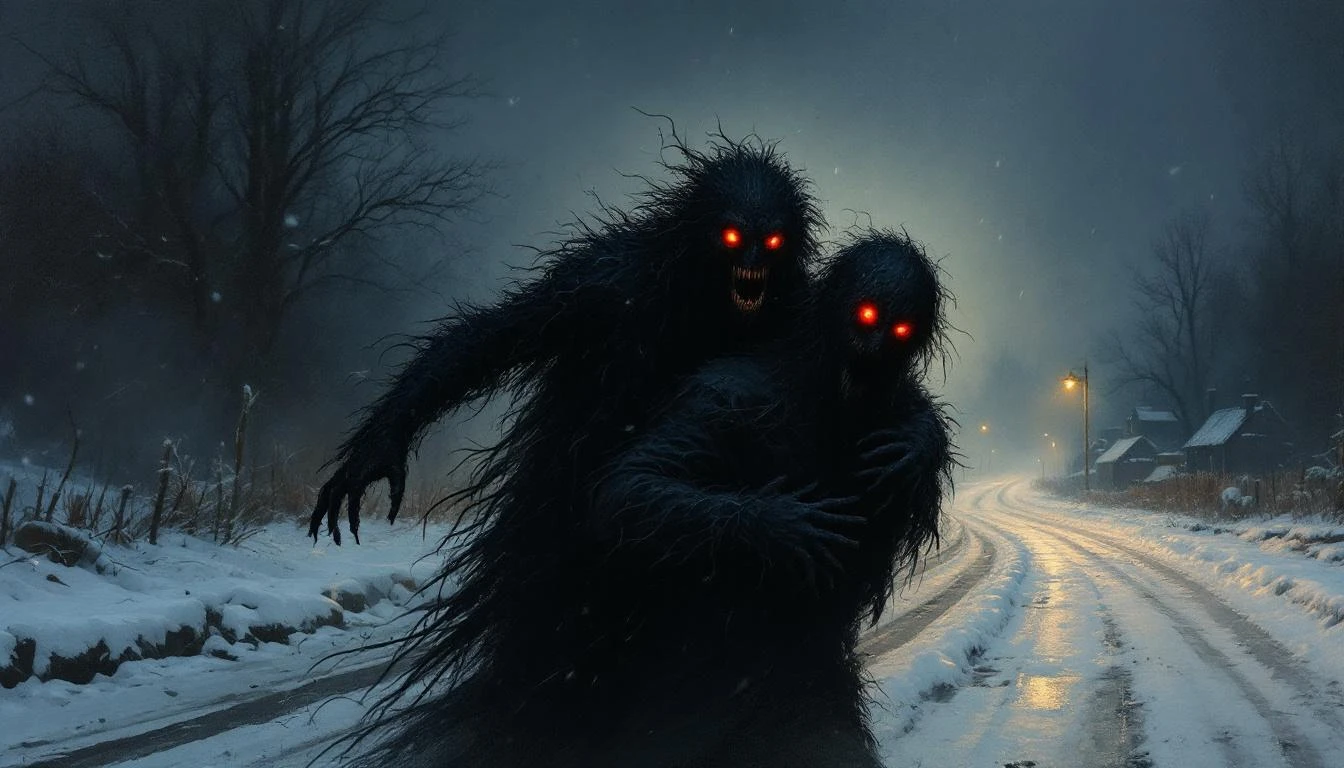
For twelve nights each winter, the Karakondzhul emerges. Part man, part beast, it rides the backs of those foolish enough to walk alone after dark.
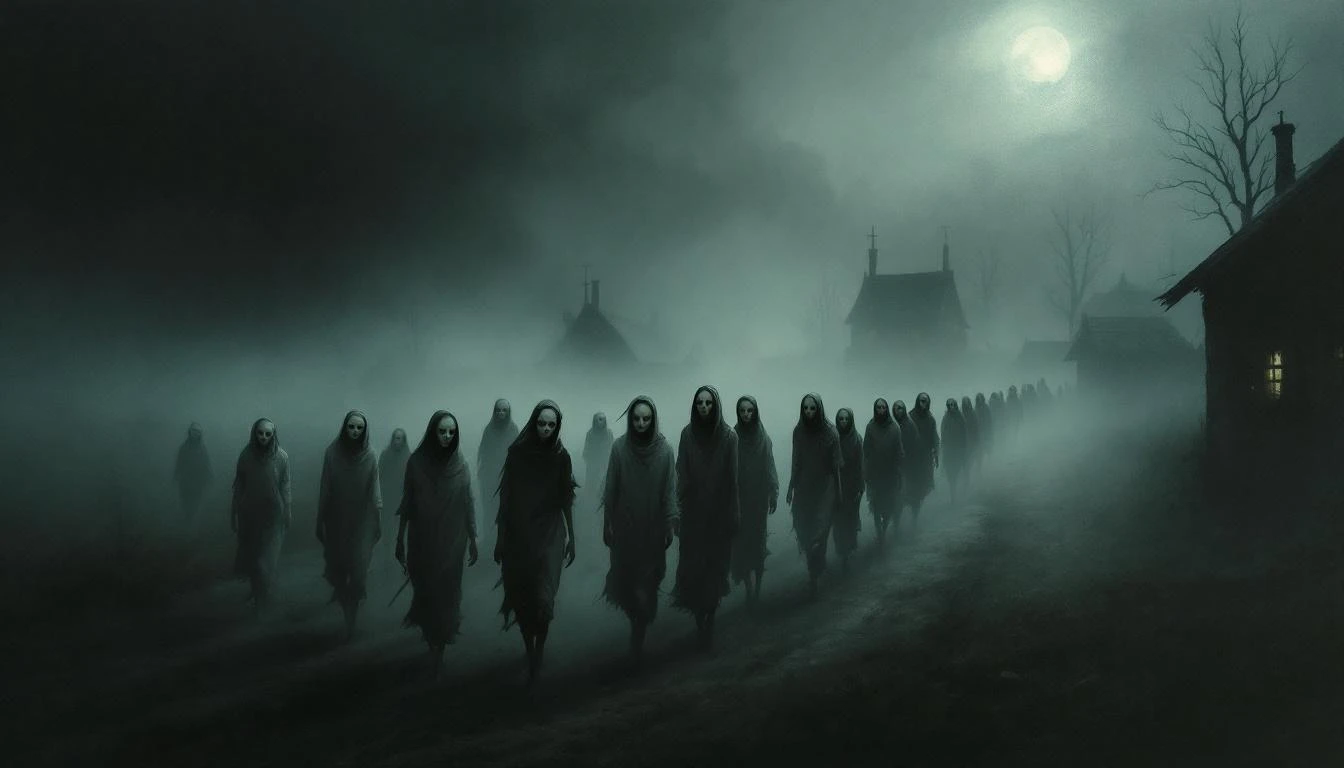
Twelve sisters. Twelve fevers. They come at night, one by one, and each brings a different sickness. The Likhomanki are disease given human form.
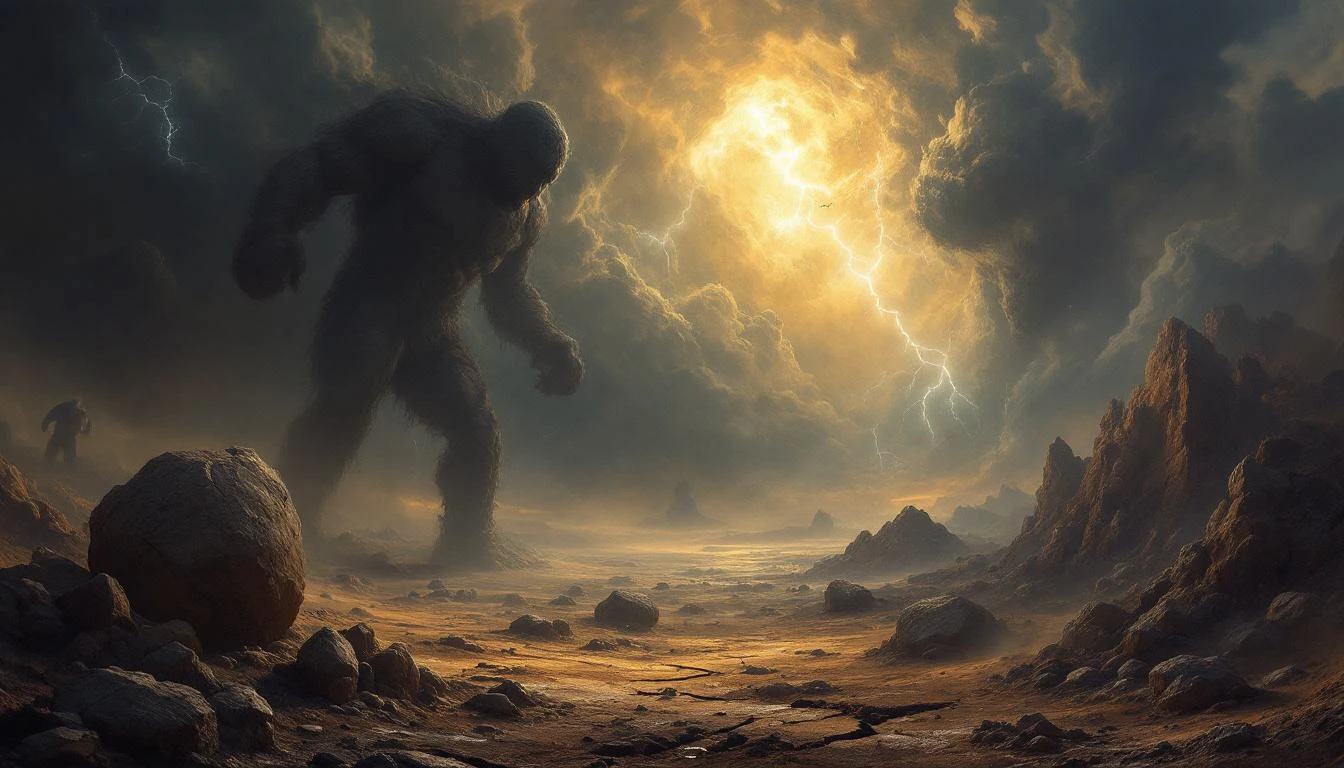
Before the humans came, giants walked the earth. They threw mountains at each other for sport. God destroyed them — but the mountains remember.
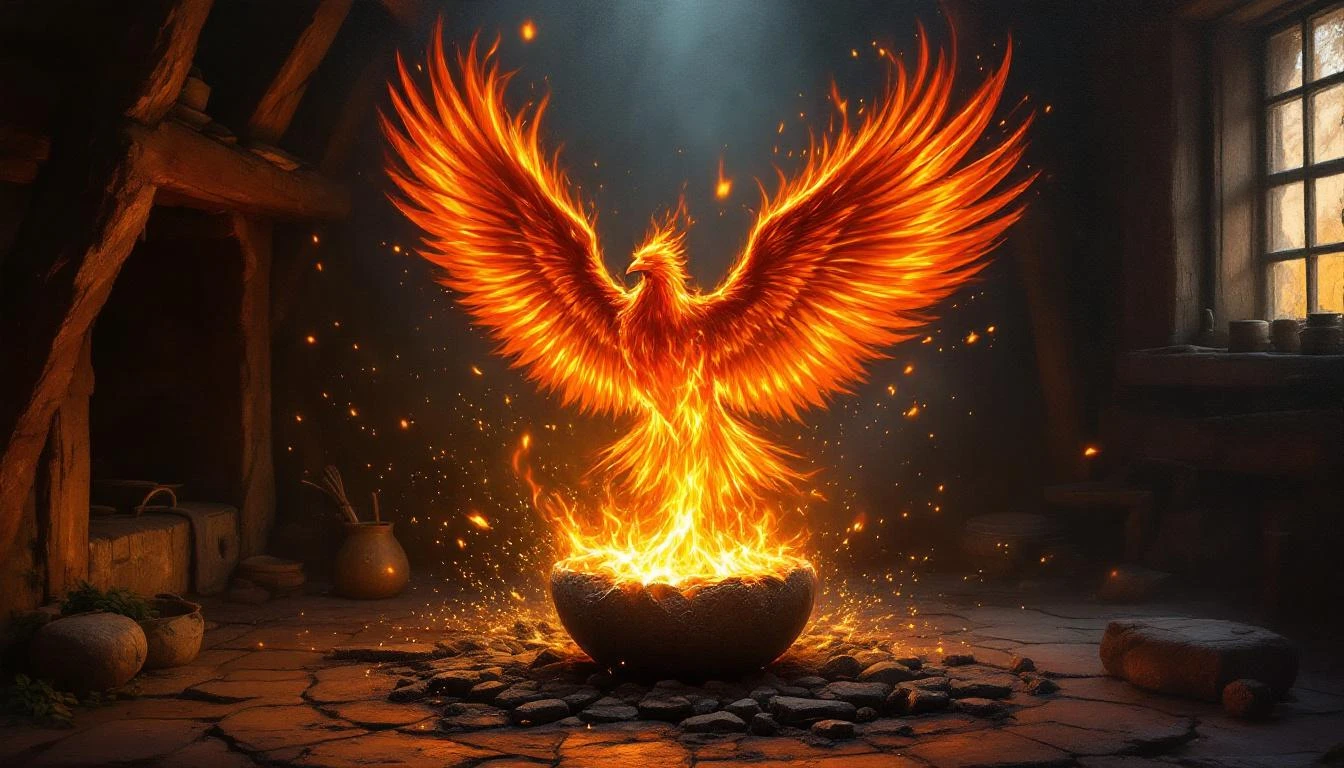
Leave an egg on the stove for nine days and nine nights. What hatches is a Raróg — a falcon made of living fire that serves the one who hatched it.
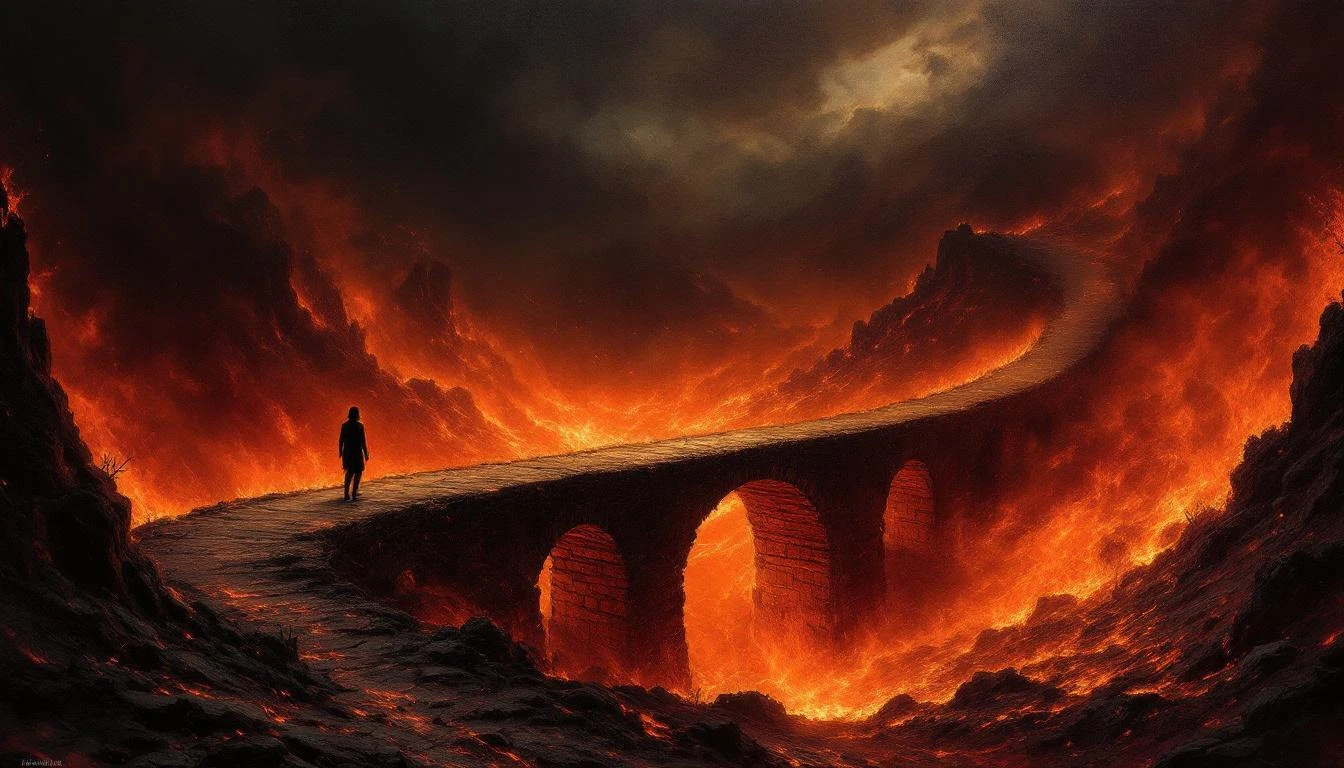
You cannot wade it. You cannot swim it. The Smorodina burns with fire instead of water. The only way across is the Kalinov Bridge — and something waits on the other side.
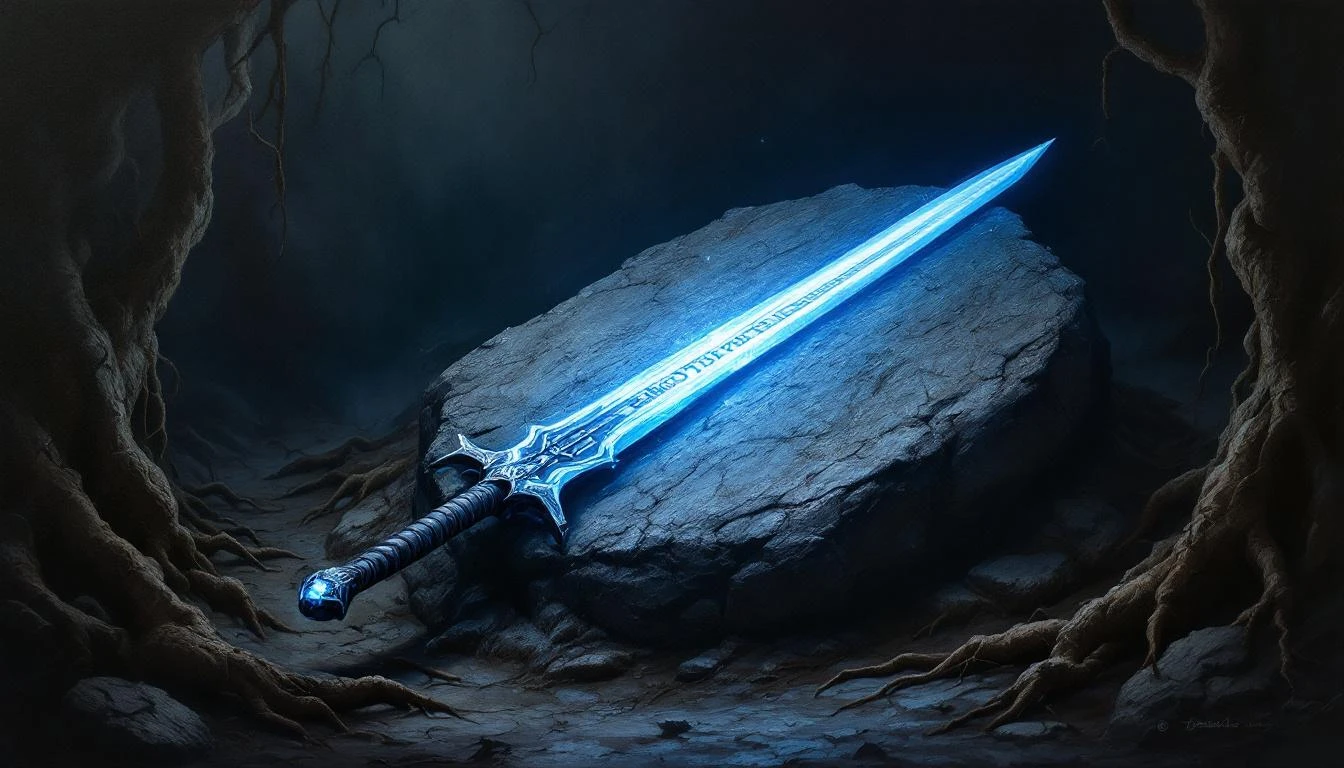
Buried under a stone, guarded by a curse, and waiting for the right hand — the Sword-Kladenets is the Slavic Excalibur that swings itself in battle.
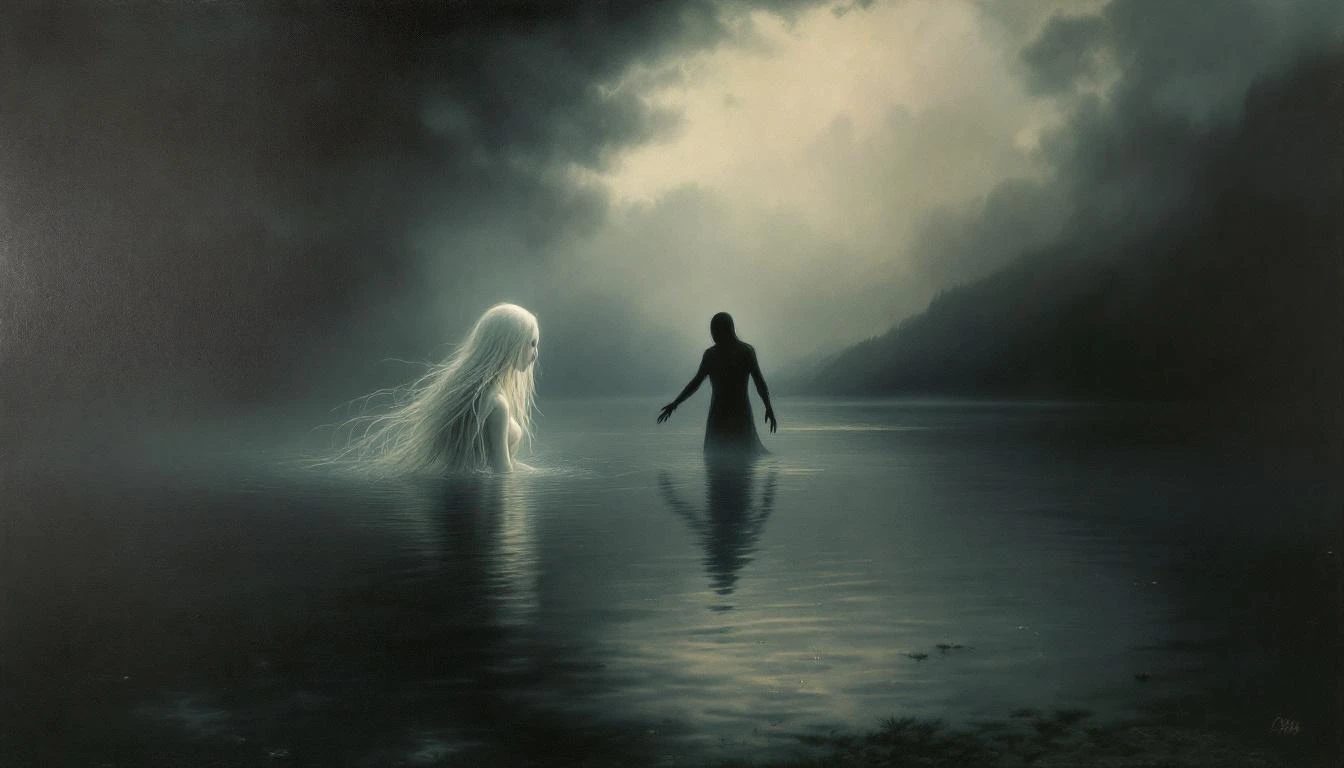
The Yuda lives in mountain lakes. She is beautiful. She sings. And if your shadow falls on her water, she takes it — and you die within the year.
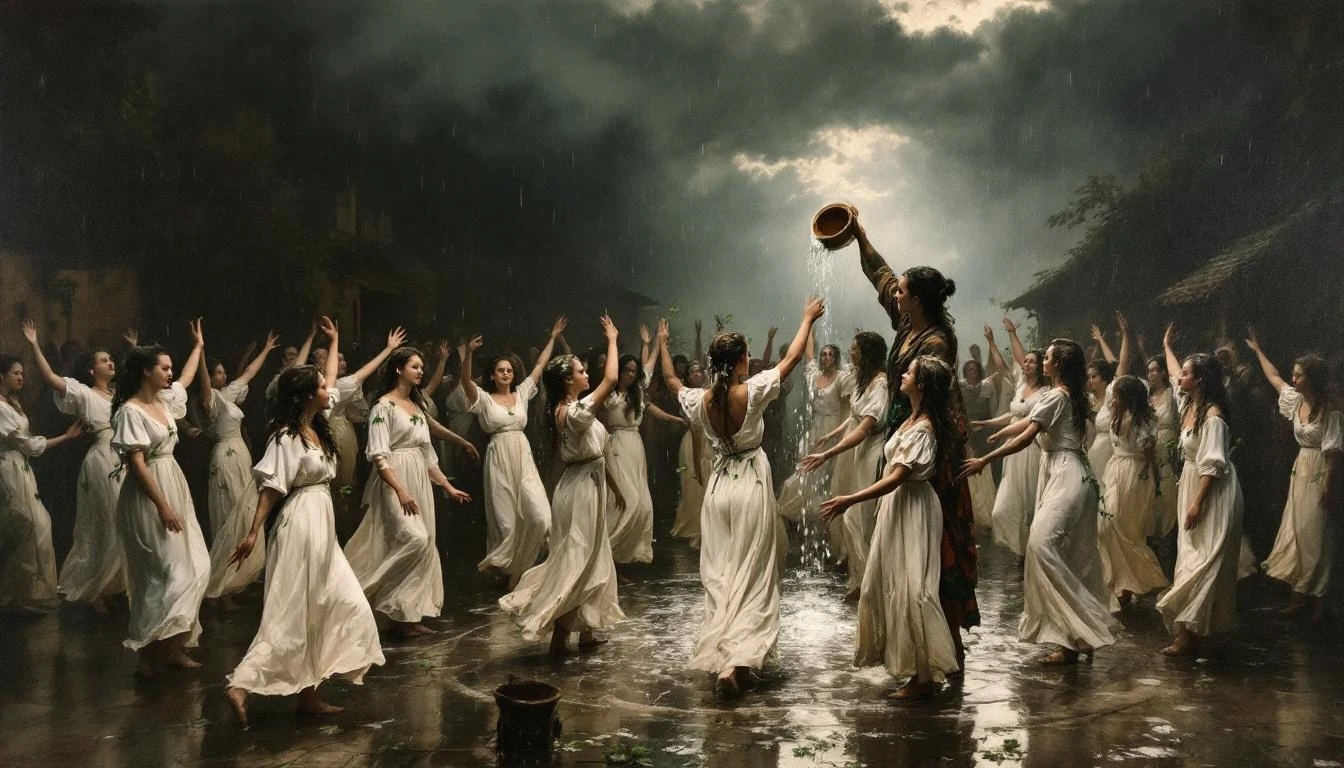
When drought kills the crops, the village sends girls door to door. They dance. The homeowner douses them with water. And the rain comes. This is the Dodola ritual.
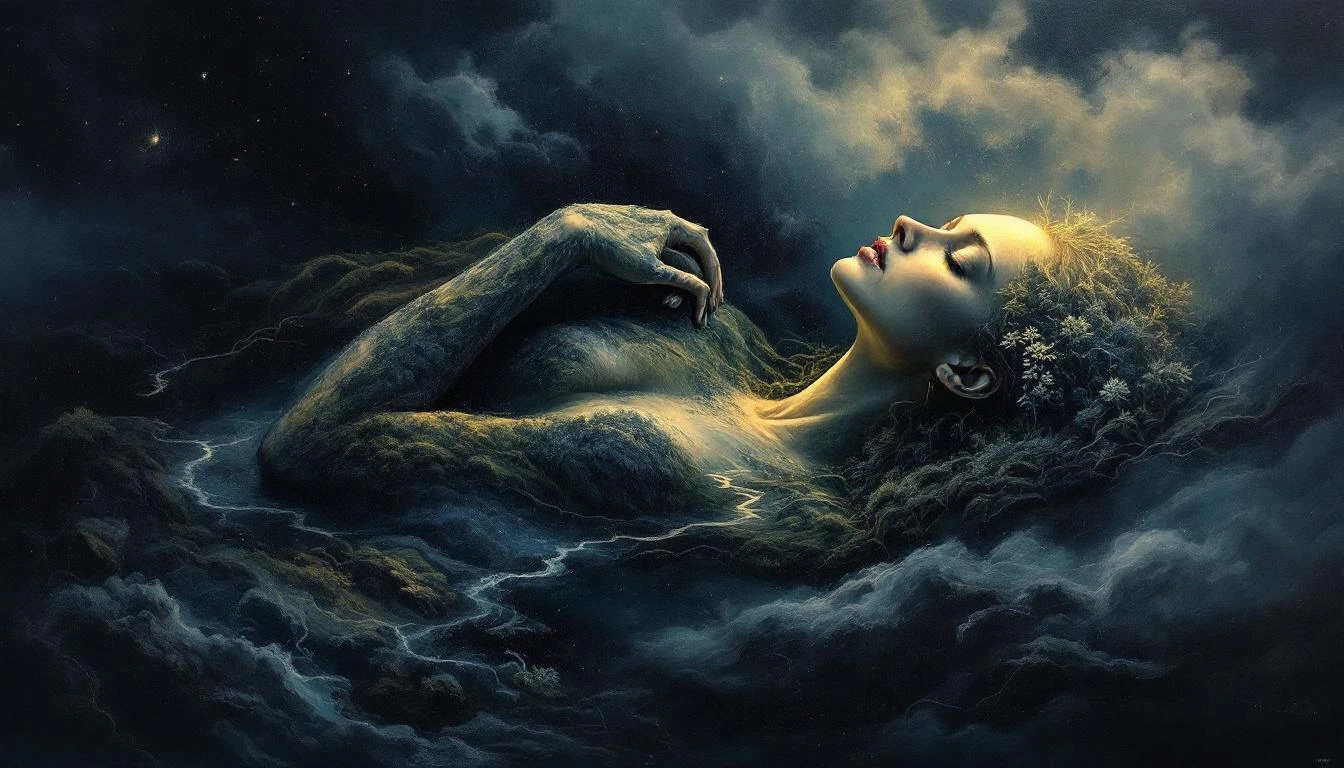
Before Mokosh, before Lada, there was Mat Syra Zemlya — Mother Moist Earth. She is not a goddess you pray to. She is the ground you stand on, and she listens.
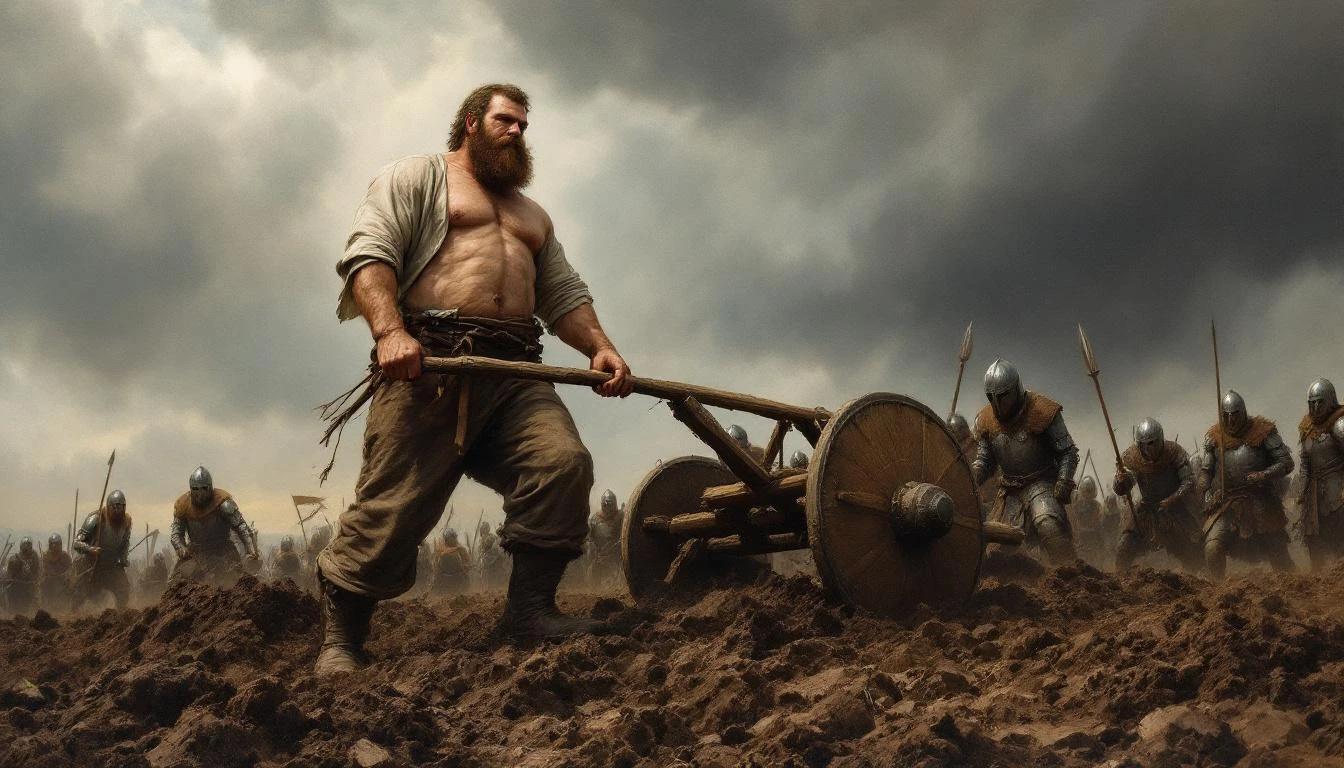
No bogatyr could lift his plow. The earth itself obeyed him. Mikula Selyaninovich is the Slavic myth that says the farmer is mightier than the knight.
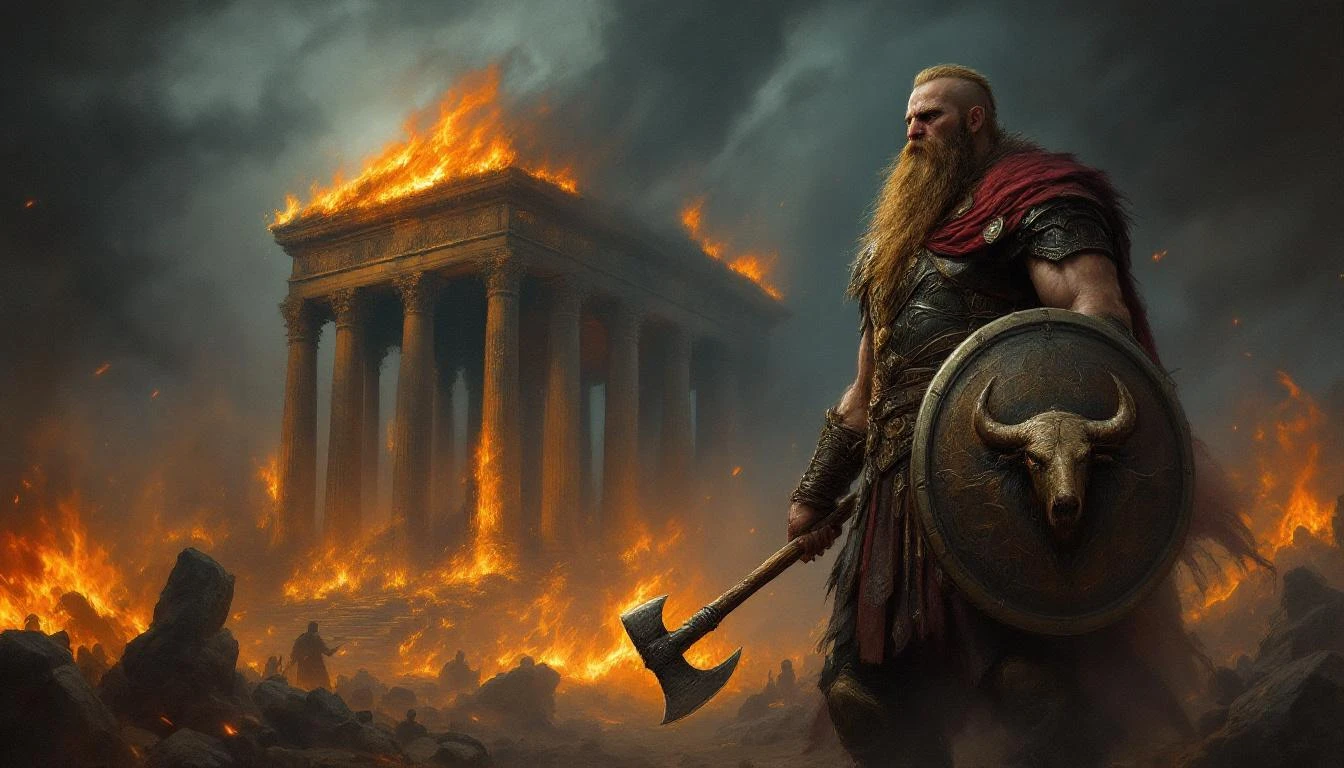
Radegast welcomed guests with fire and slaughtered enemies with the same hand. The god of Rethra whose temple held the secrets of a lost Slavic civilization.
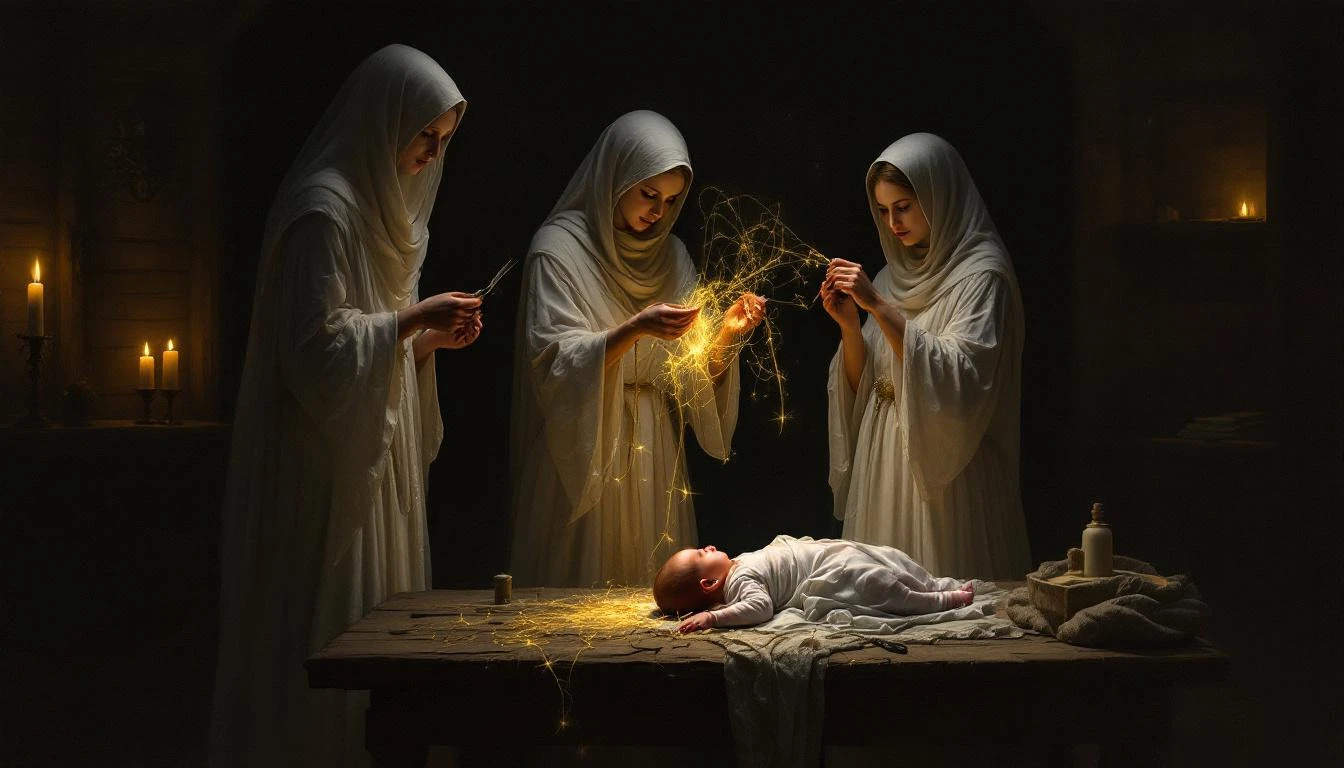
Three women appeared at every birth to spin, measure, and cut the thread of a new life. The Rozhanitsy wrote your fate before you drew your first breath.
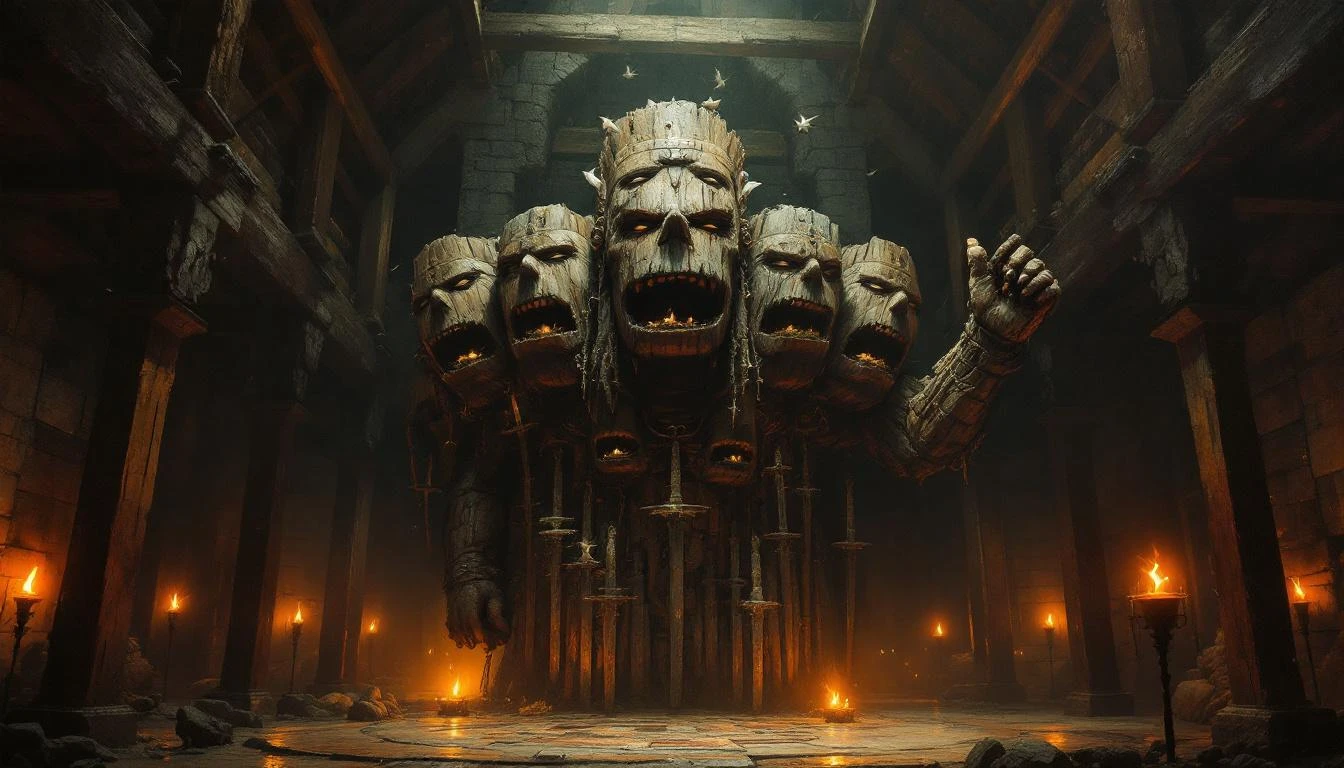
Seven heads. Seven swords at his belt. One in his hand. Rugevit was the war god of the Baltic Slavs — until the Danes burned his temple in 1168.
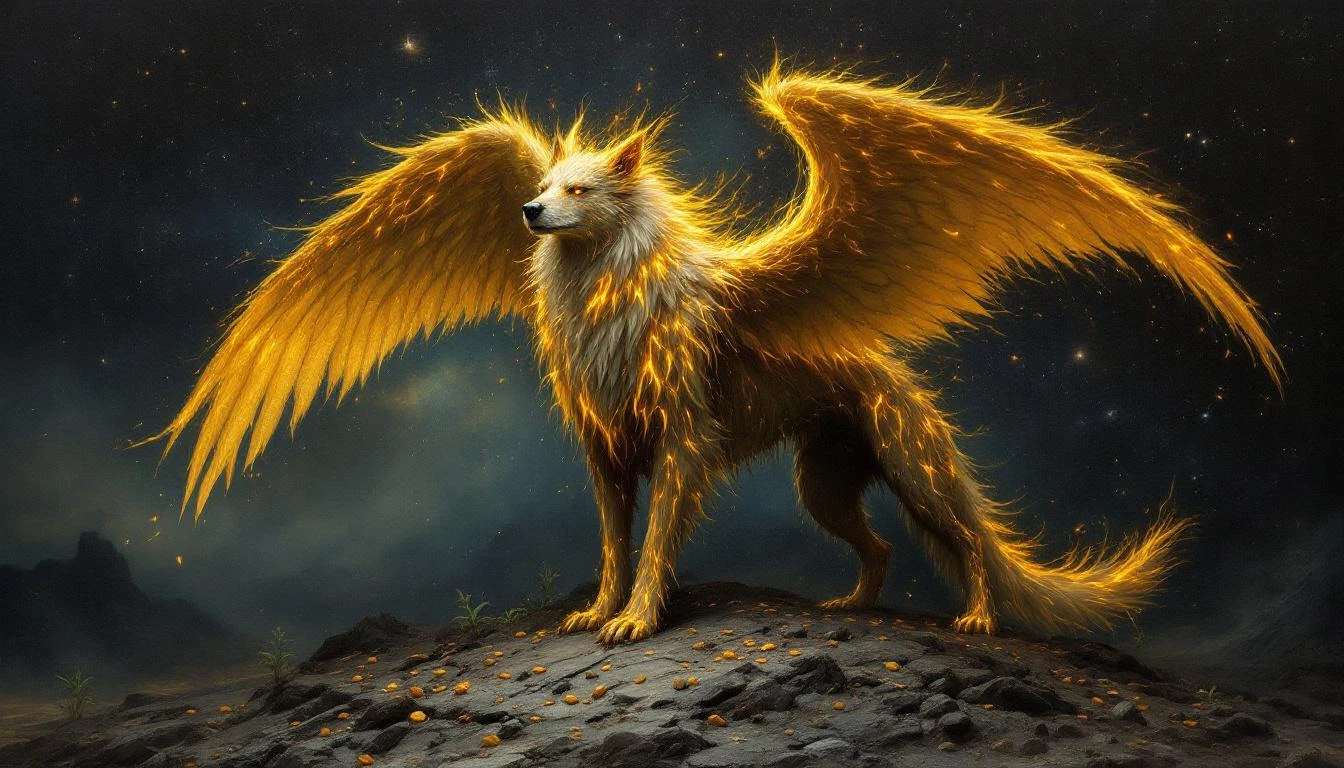
Part dog, part bird, part fire — Simargl is the most mysterious god in Vladimir's pantheon. He guards the seeds of all plants and never sleeps.
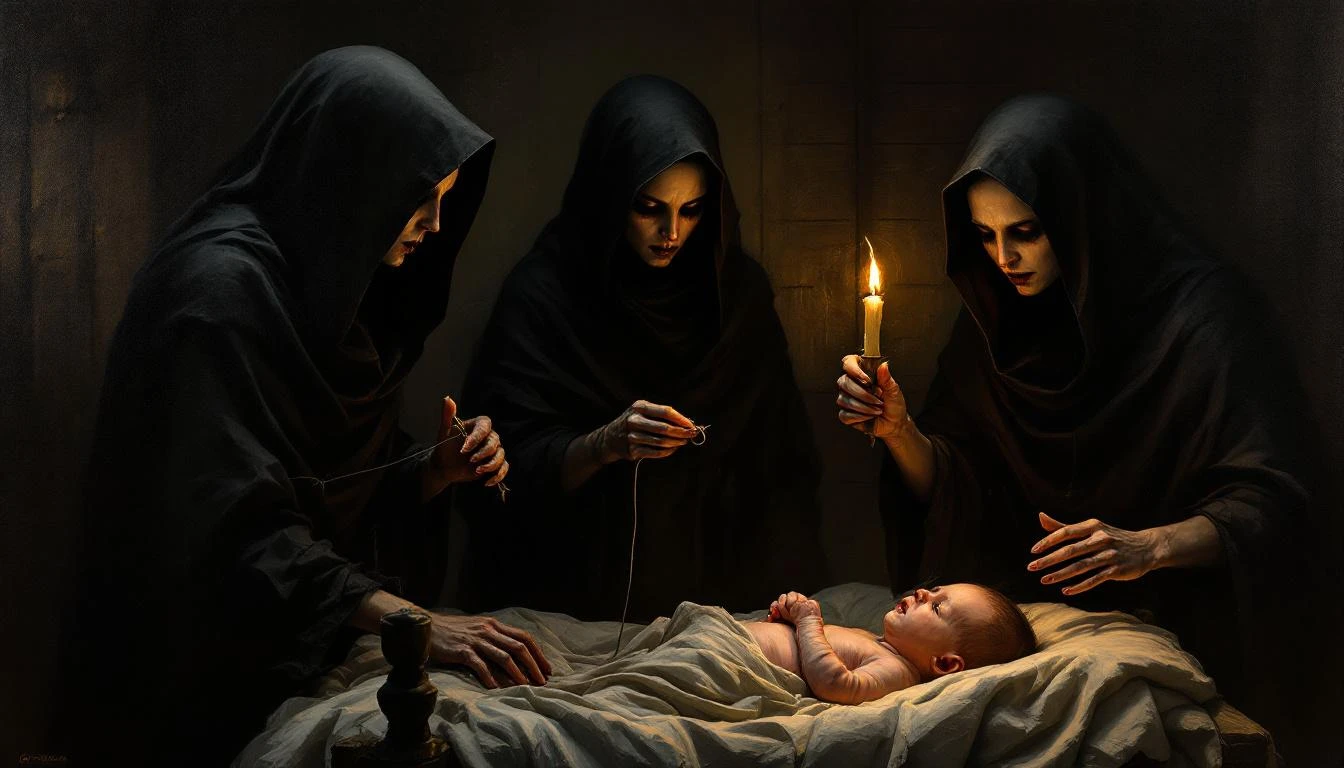
On the third night after birth, three women come to your cradle. They are the Sudice. What they say cannot be undone — not by gods, not by kings, not by time.
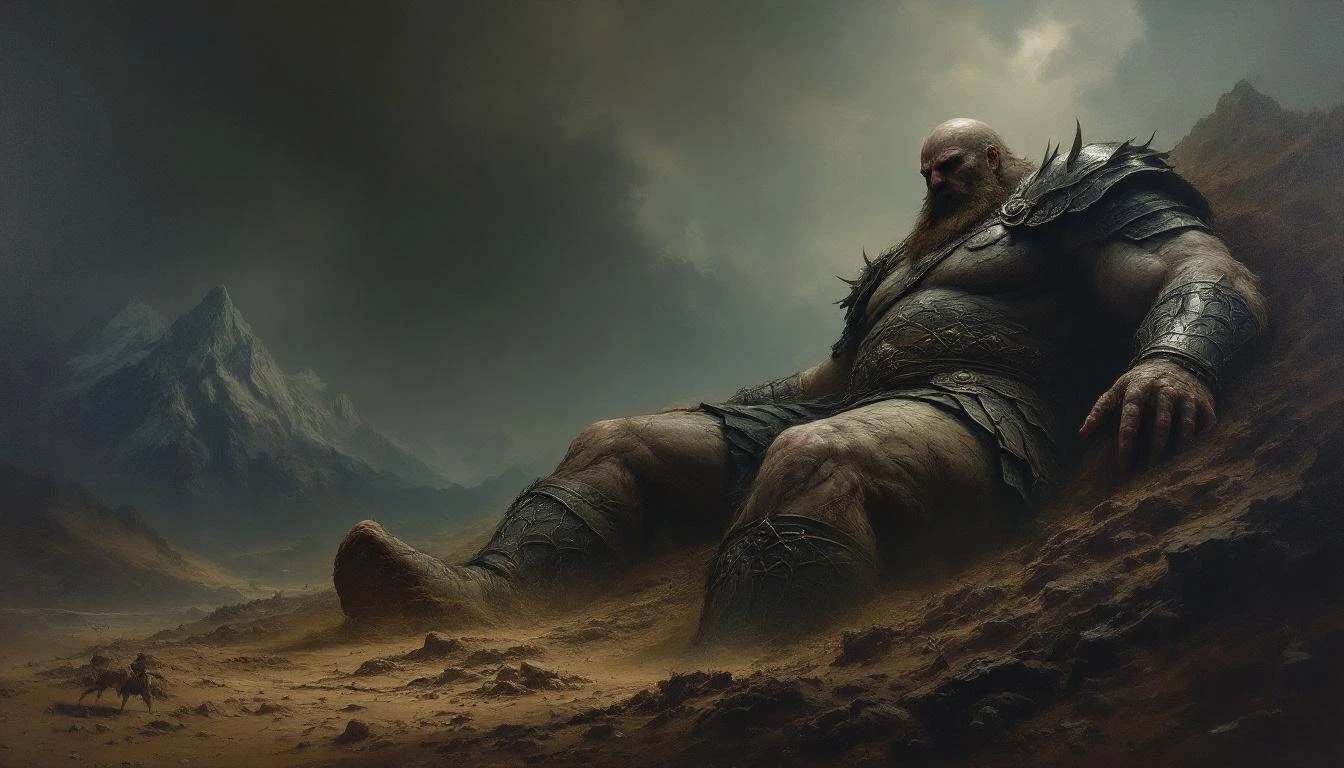
Svyatogor was the mightiest bogatyr who ever lived. So mighty that the earth could not bear his weight. His story is about the price of power that exceeds its purpose.
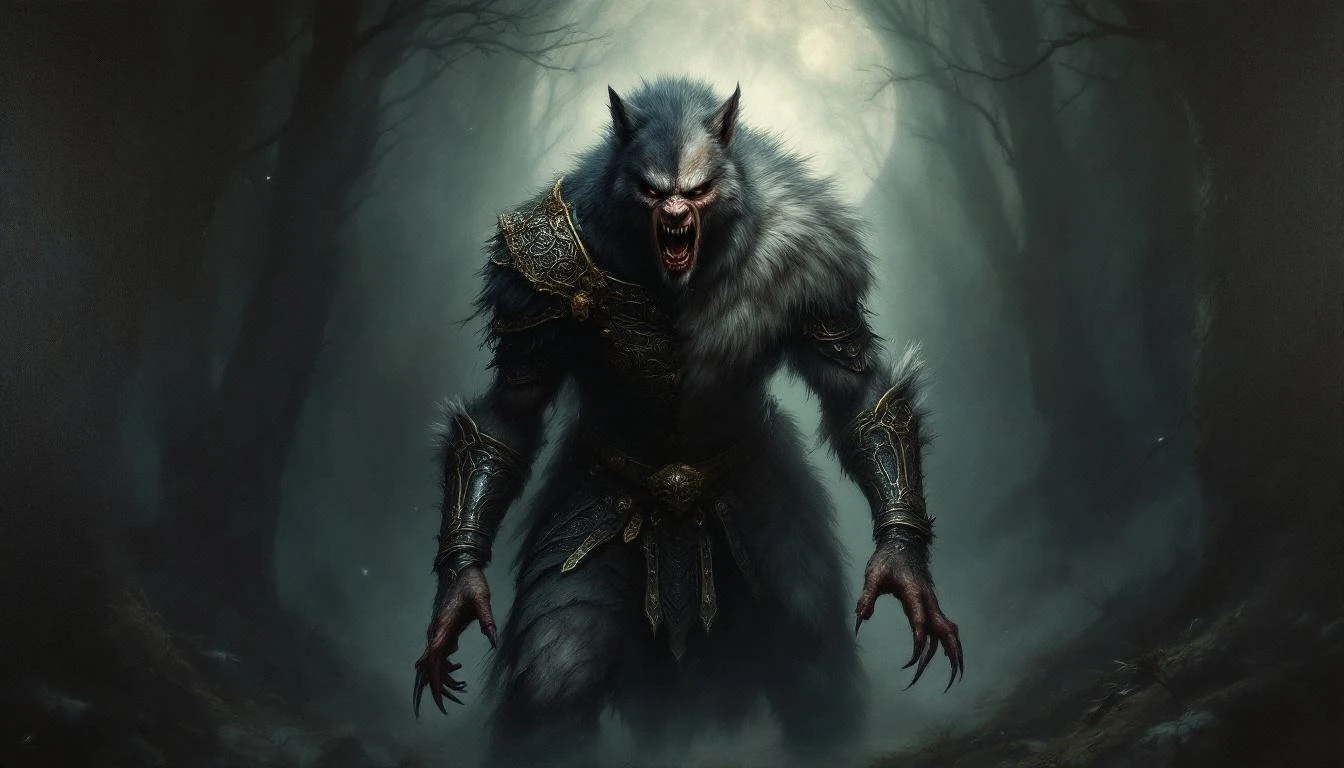
Born from a serpent's union with a princess, Volga could transform into a falcon, a wolf, an ant, and a fish. He is the Slavic link between warrior and shaman.
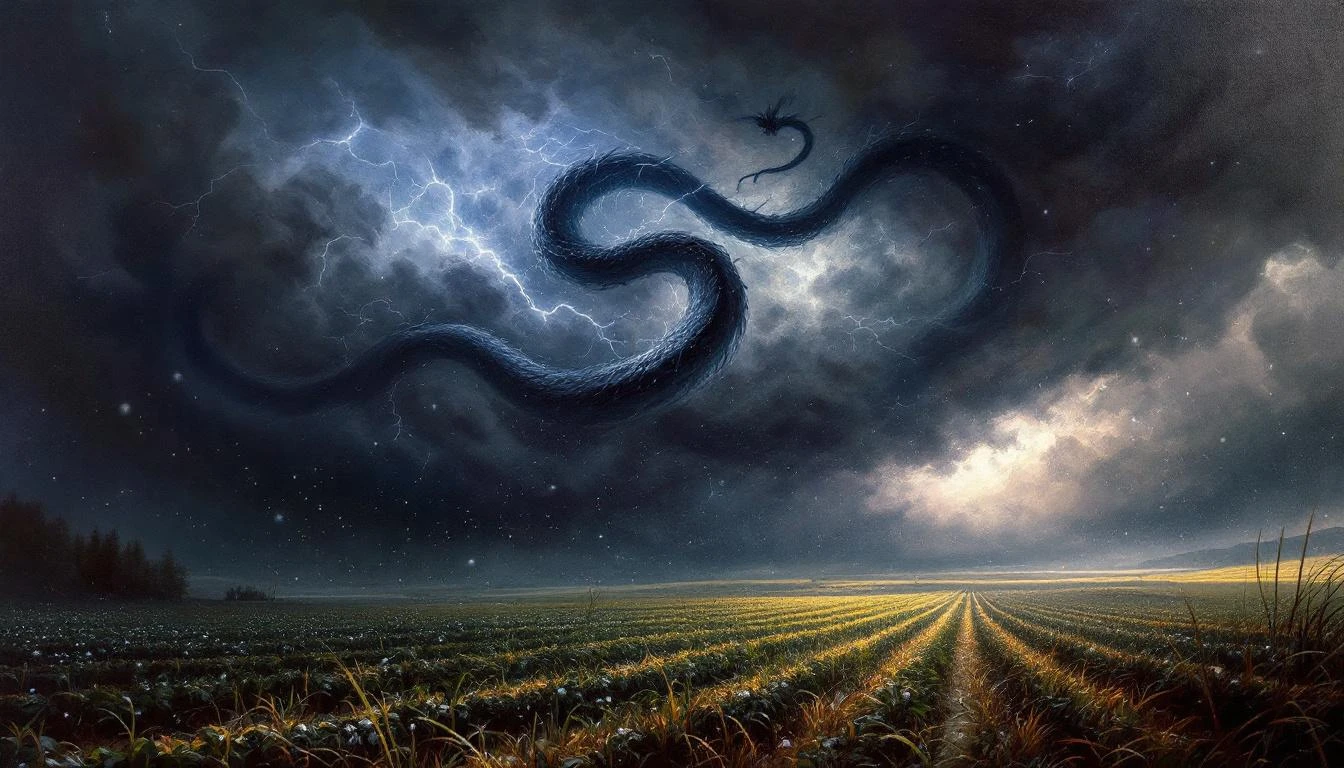
When hail destroys your harvest in the Balkans, it's not weather — it's an Ala. This shape-shifting storm demon devours crops, causes eclipses, and fights heroes in the clouds.
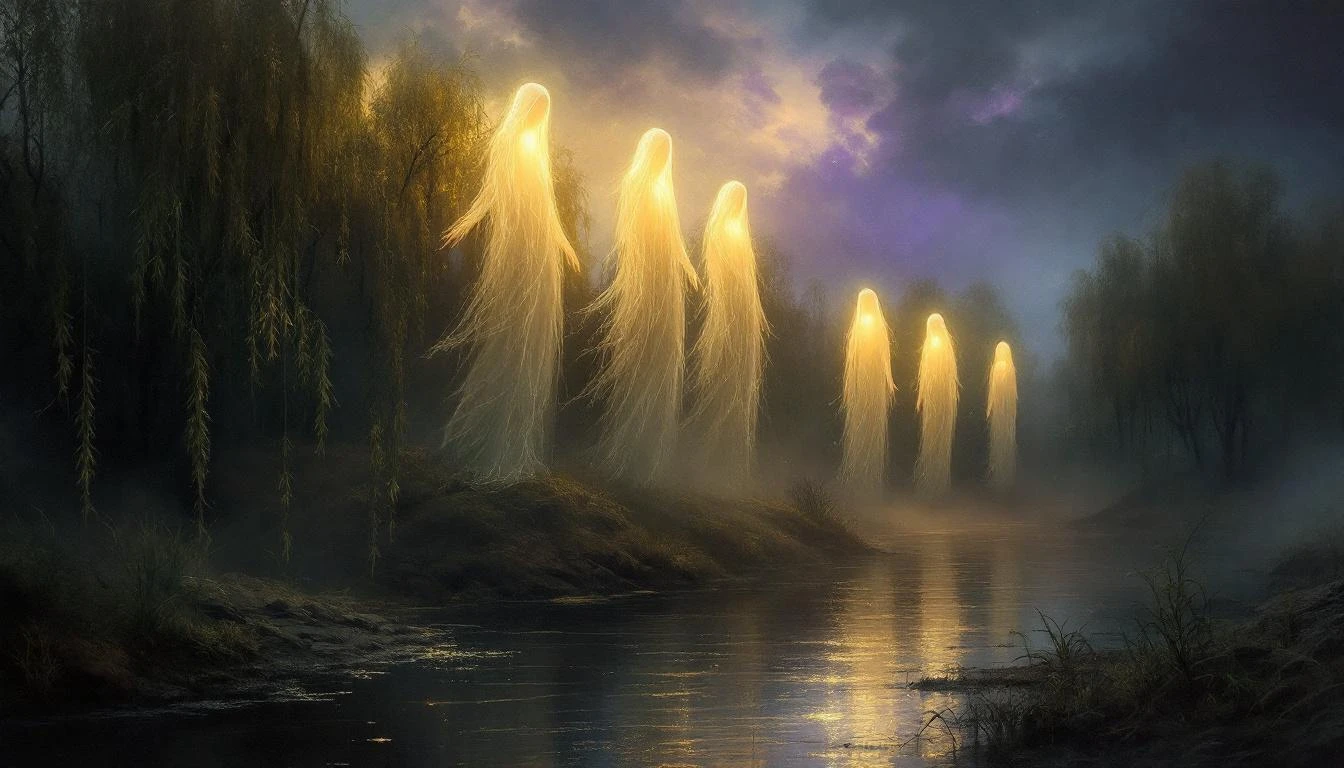
Before the saints, there were the Bereginyas — female guardian spirits who protected riverbanks, fields, and families from the forces of darkness.
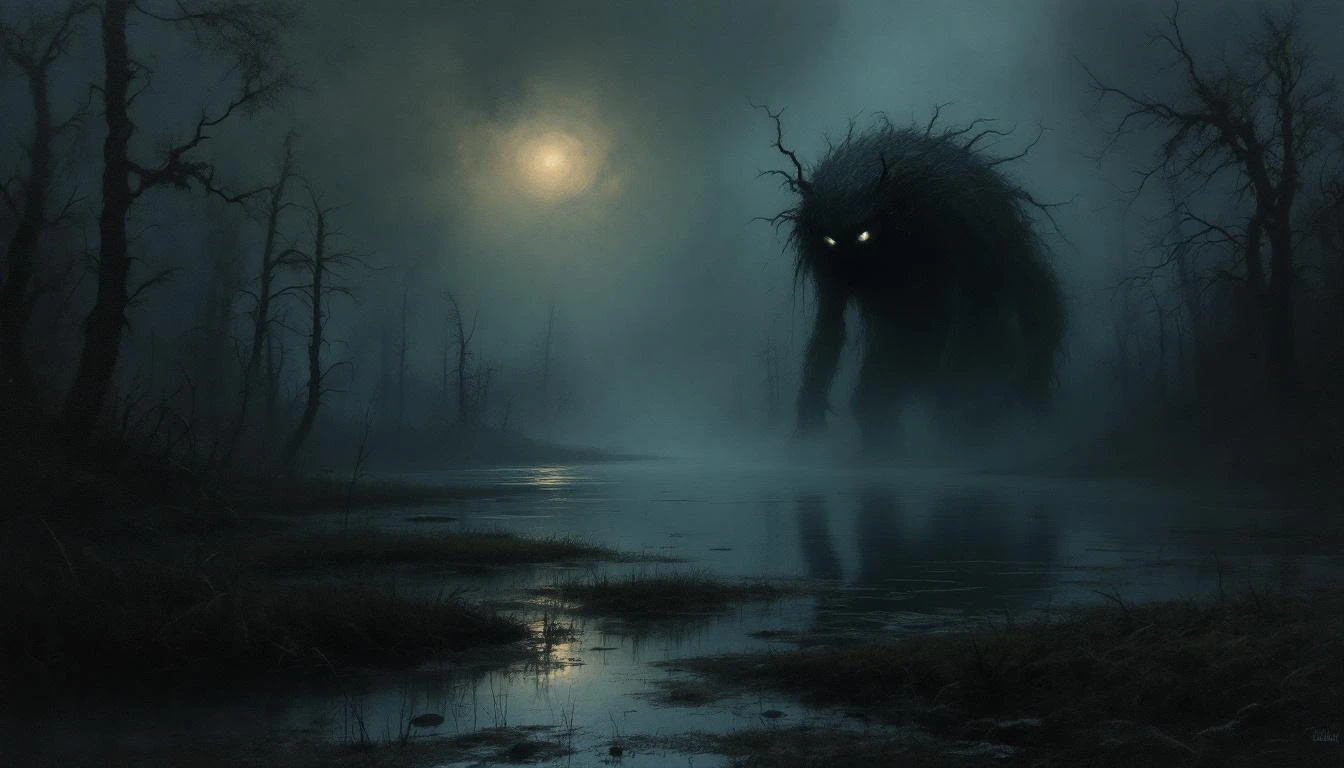
The swamp bubbles. A light flickers. You follow it. The Bolotnik has been waiting for you at the bottom of the bog since before your village was built.
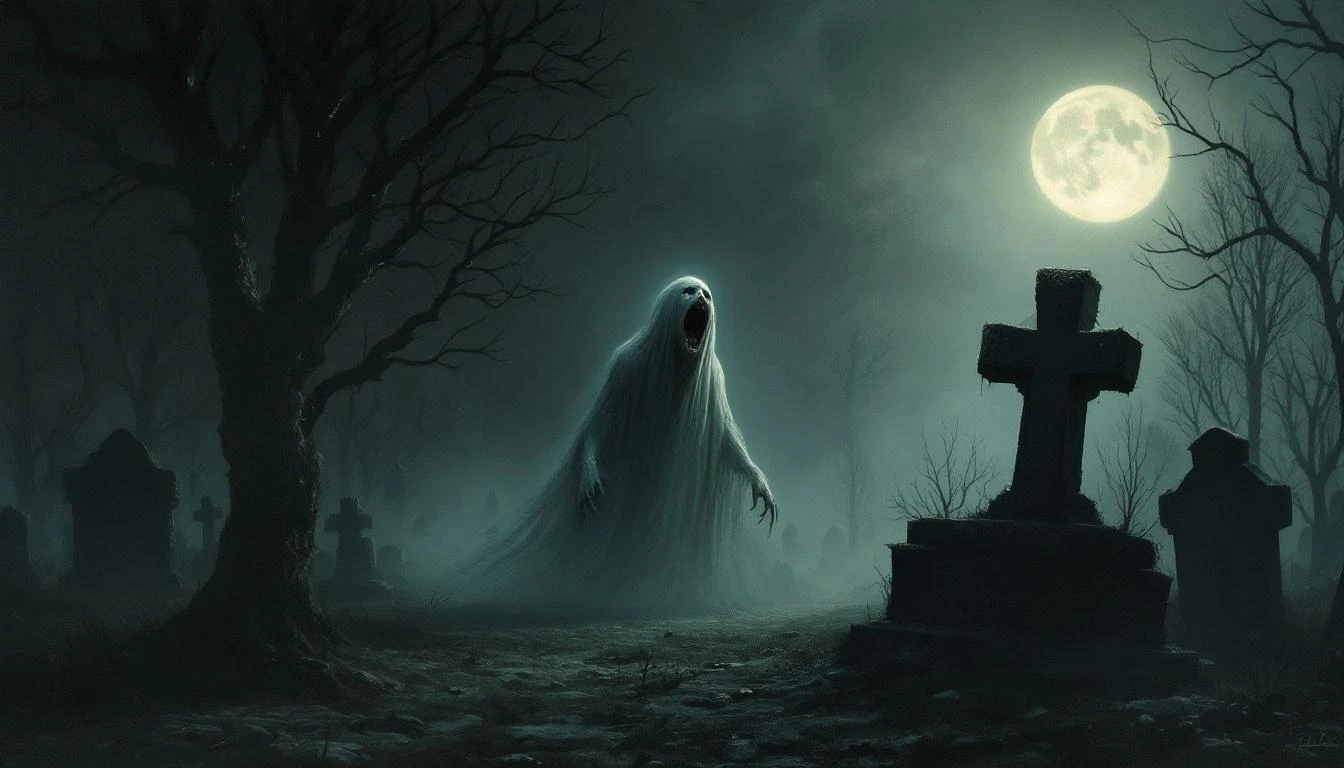
It screams in the night near graveyards. The Drekavac is the unbaptized dead — a child's soul trapped between worlds, howling for the rite it never received.
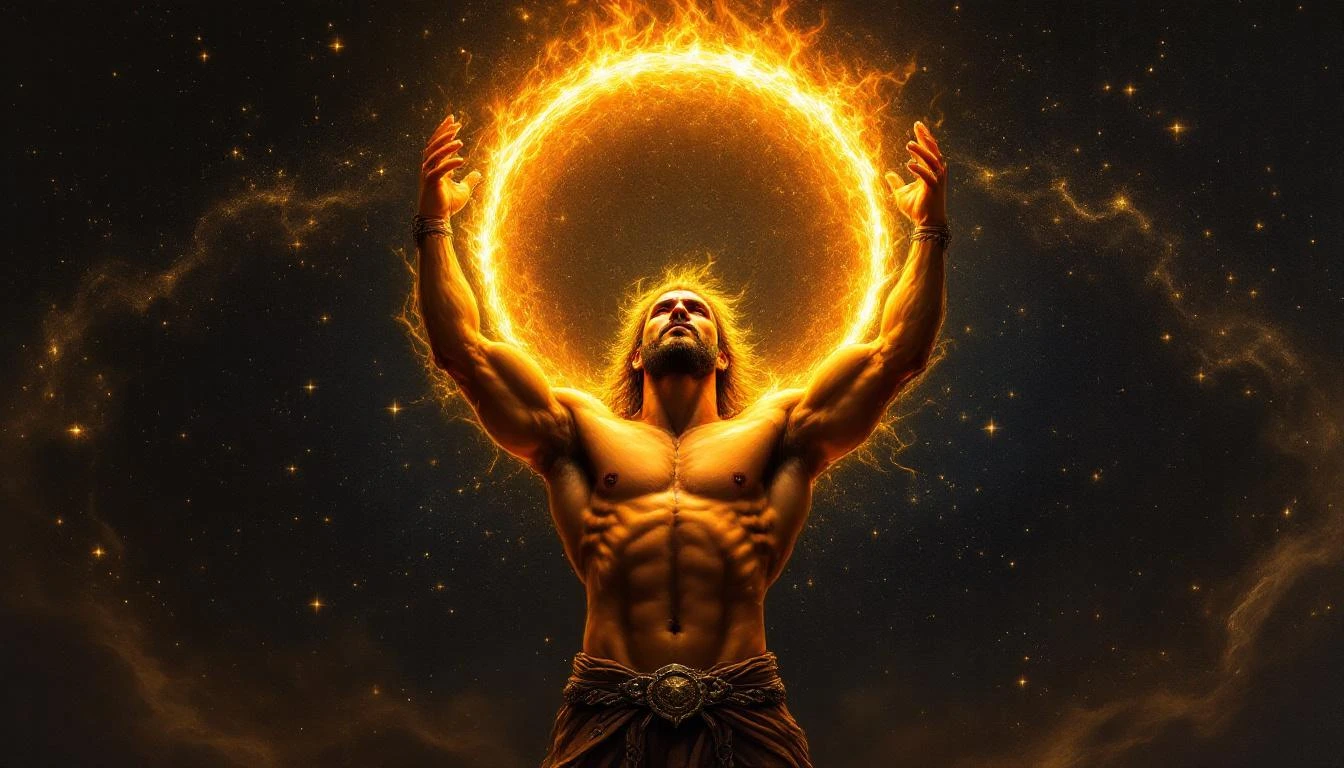
Khors stood in Vladimir's pantheon alongside Perun and Veles. He was the god of the physical sun disc — not its light, not its warmth, but the burning circle itself.
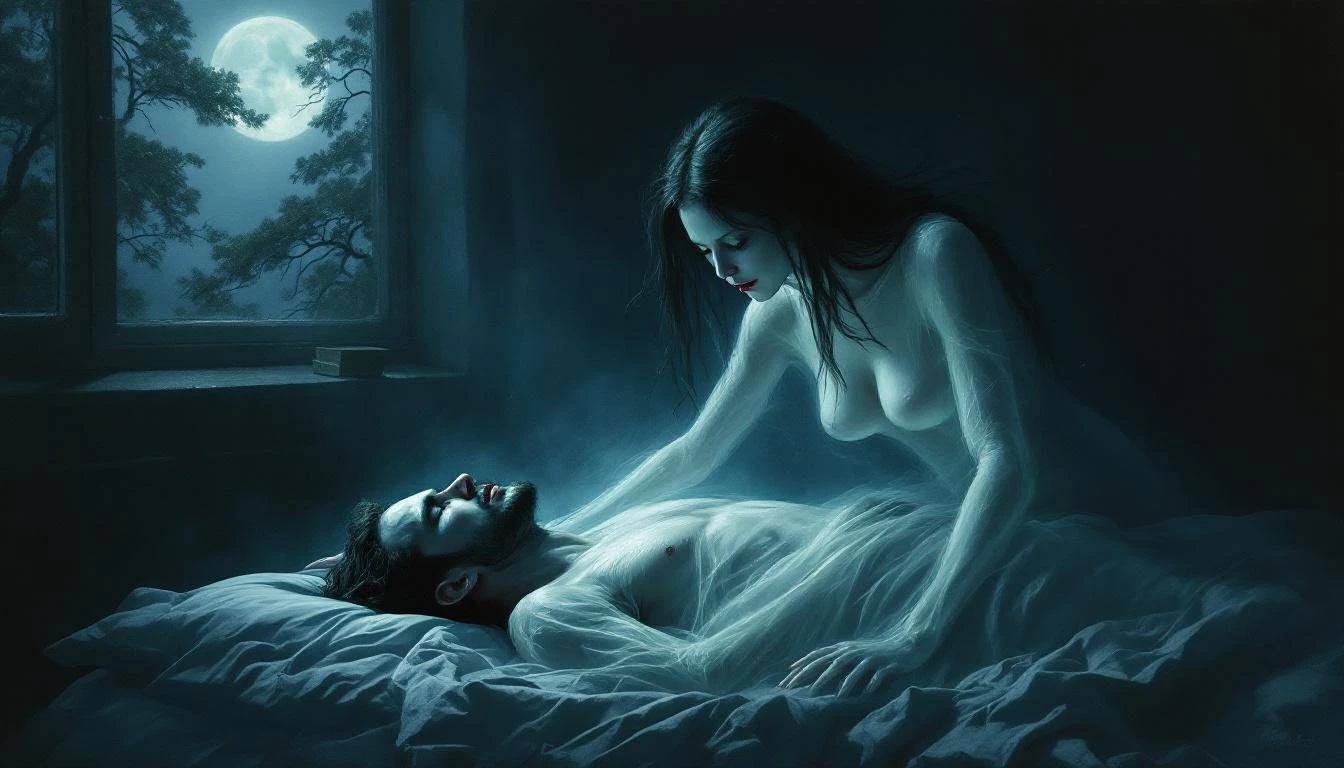
Not a nightmare — the Mora. In Slavic folklore, this shape-shifting spirit crushes sleepers under her weight and drinks their breath until dawn.
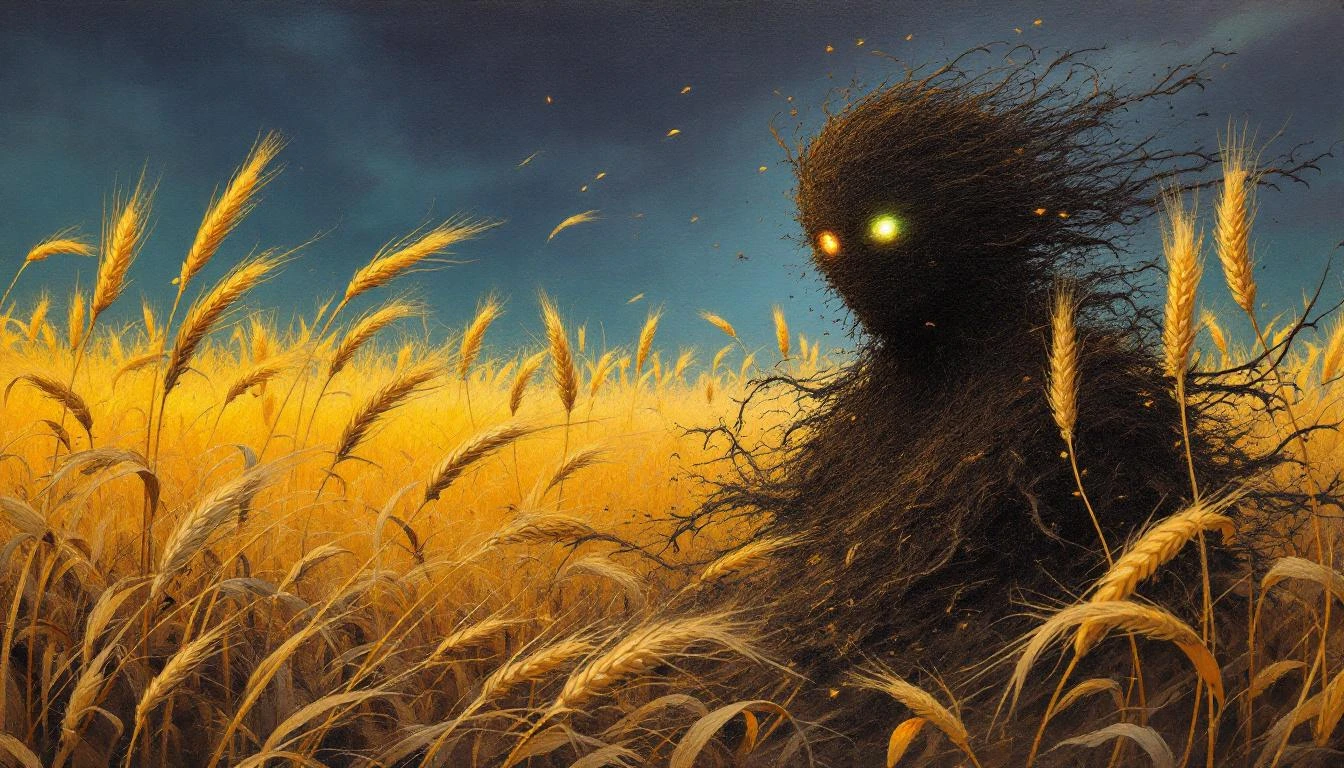
Every field has a master. The Polevoy is the Slavic spirit of the agricultural land — and he will strangle you if you fall asleep in his domain at noon.
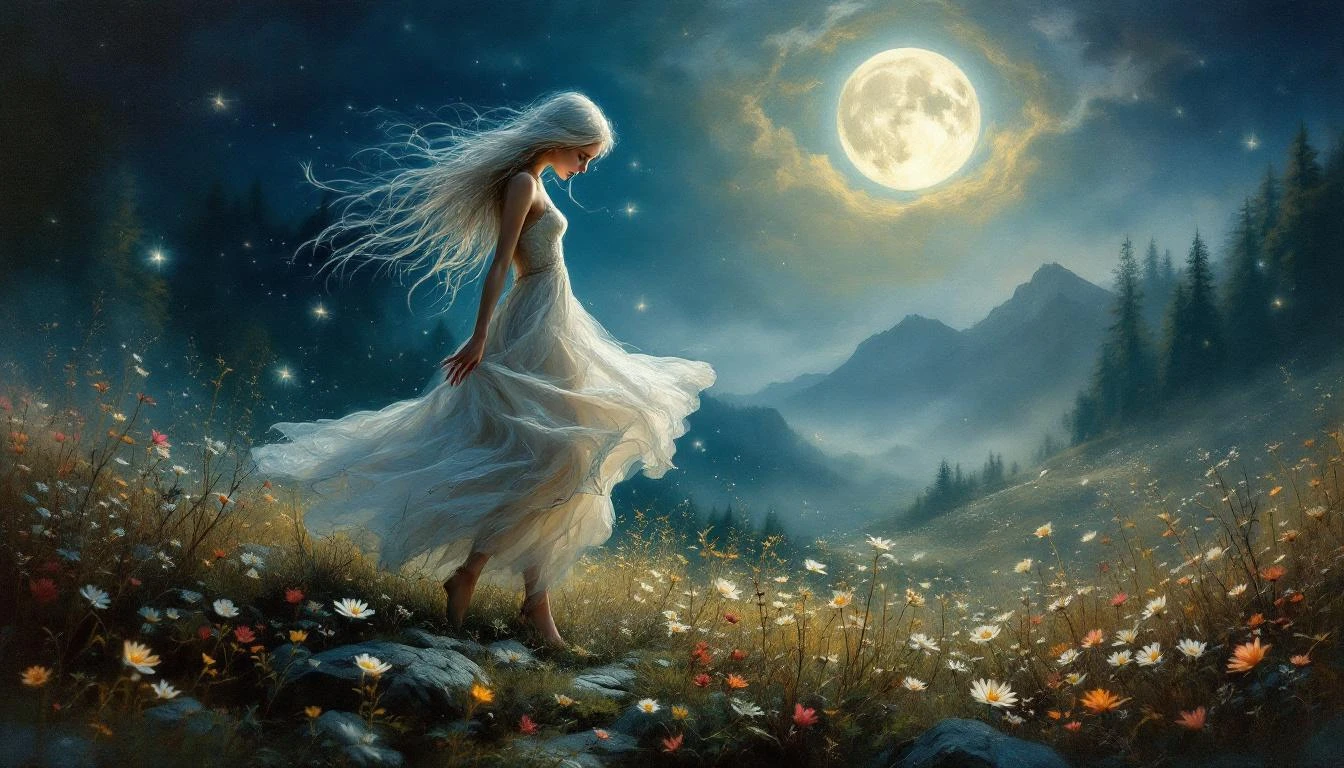
She is beautiful beyond reason. She dances in moonlit meadows. And if you watch her — if she catches you watching — you will dance with her until your heart stops.
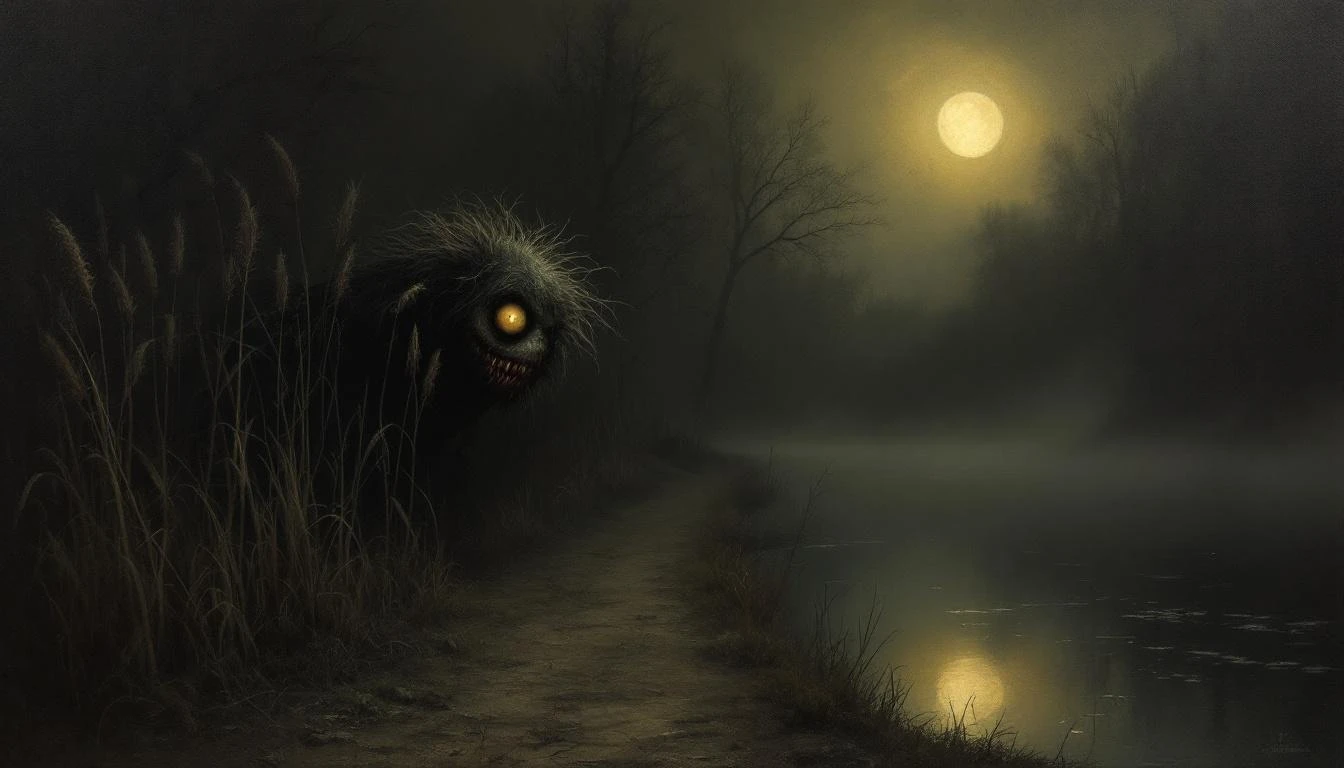
She hides in bathhouses and behind bushes. The Shishiga is a petty, spiteful creature — small, ugly, and obsessed with drowning drunks and scaring women.
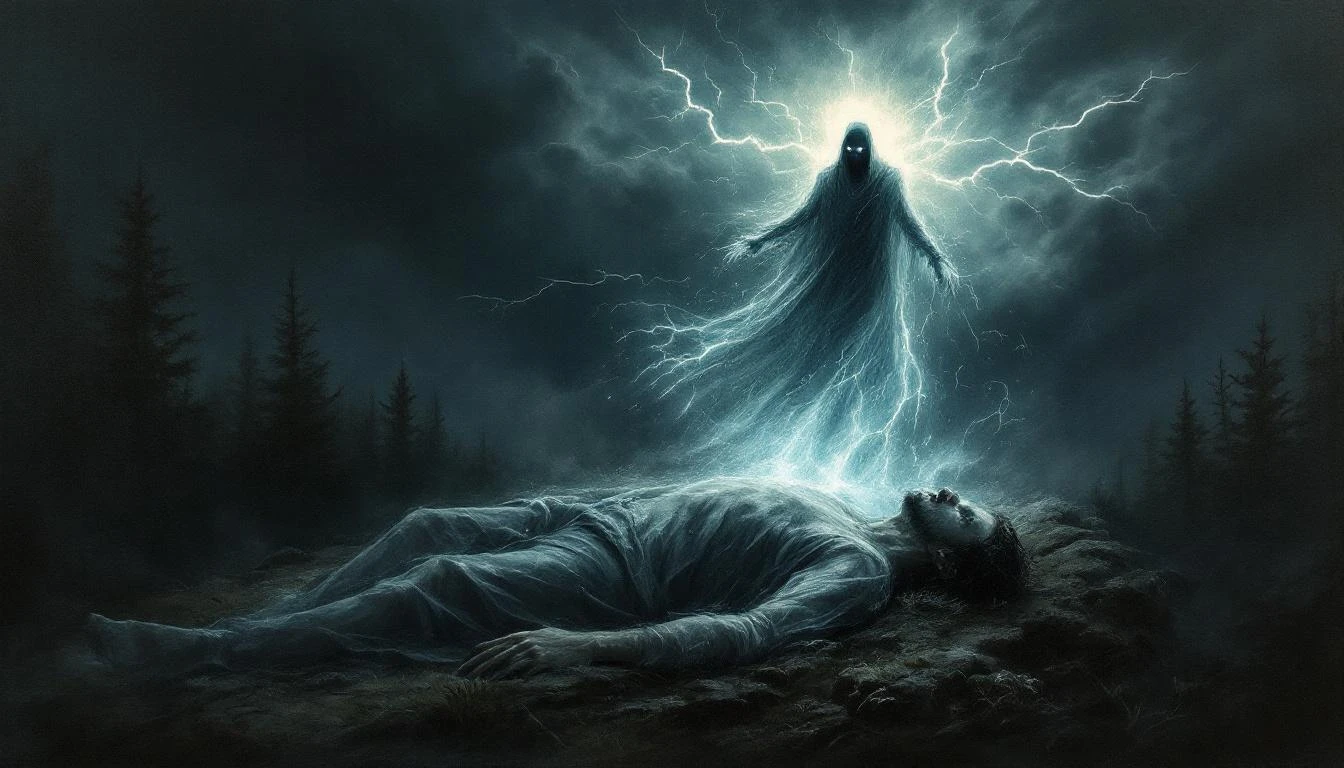
Some men are born with a caul. In Serbian folklore, these men leave their bodies during storms to fight the Ala demons in the clouds — and if they lose, the crops die.
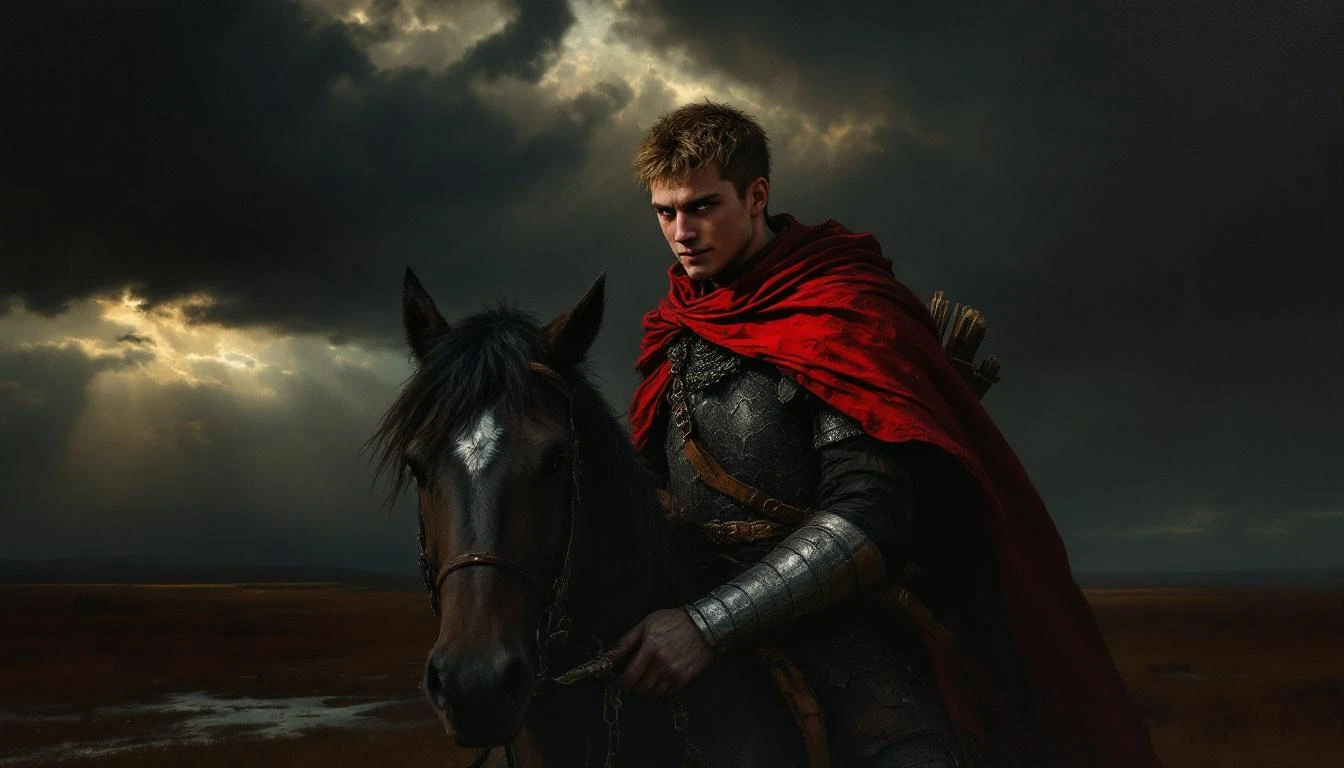
The youngest of the three great Slavic bogatyrs, Alyosha Popovich defeated a dragon not with strength but with wit — and seduced every woman in Kyiv while doing it.
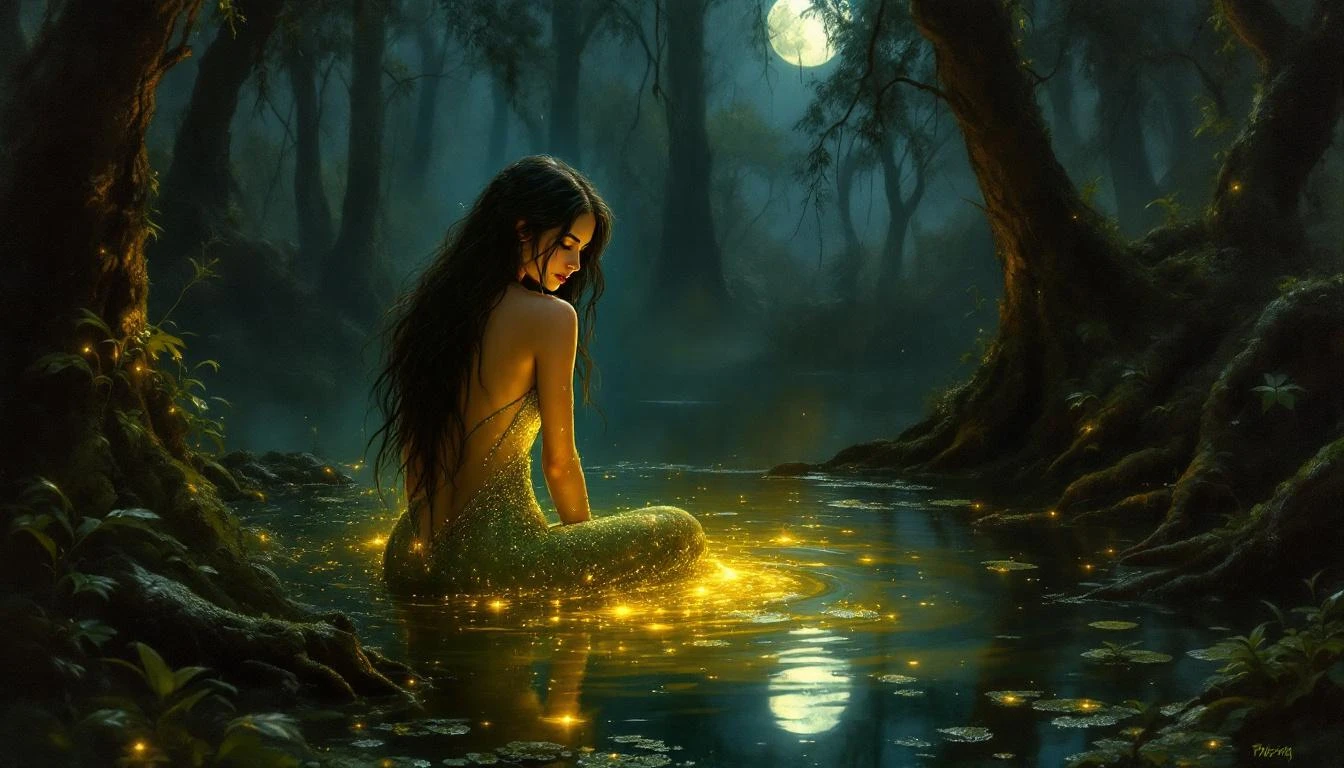
Ivan shot an arrow into a swamp and married a frog. What happened next is the darkest love story in Russian folklore.
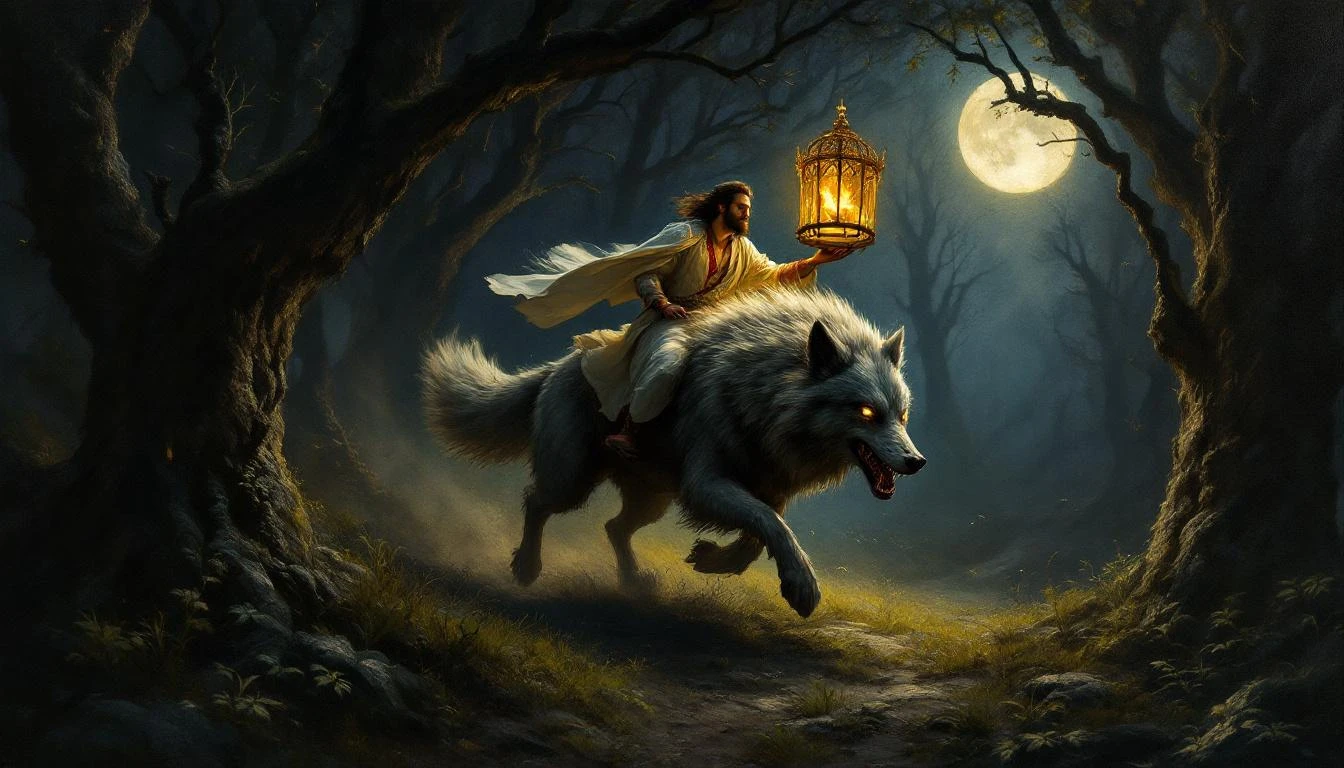
He's the youngest son, the least likely hero, and the one who always triumphs. Ivan Tsarevich is the protagonist of every Russian fairy tale — and there's a reason for that.
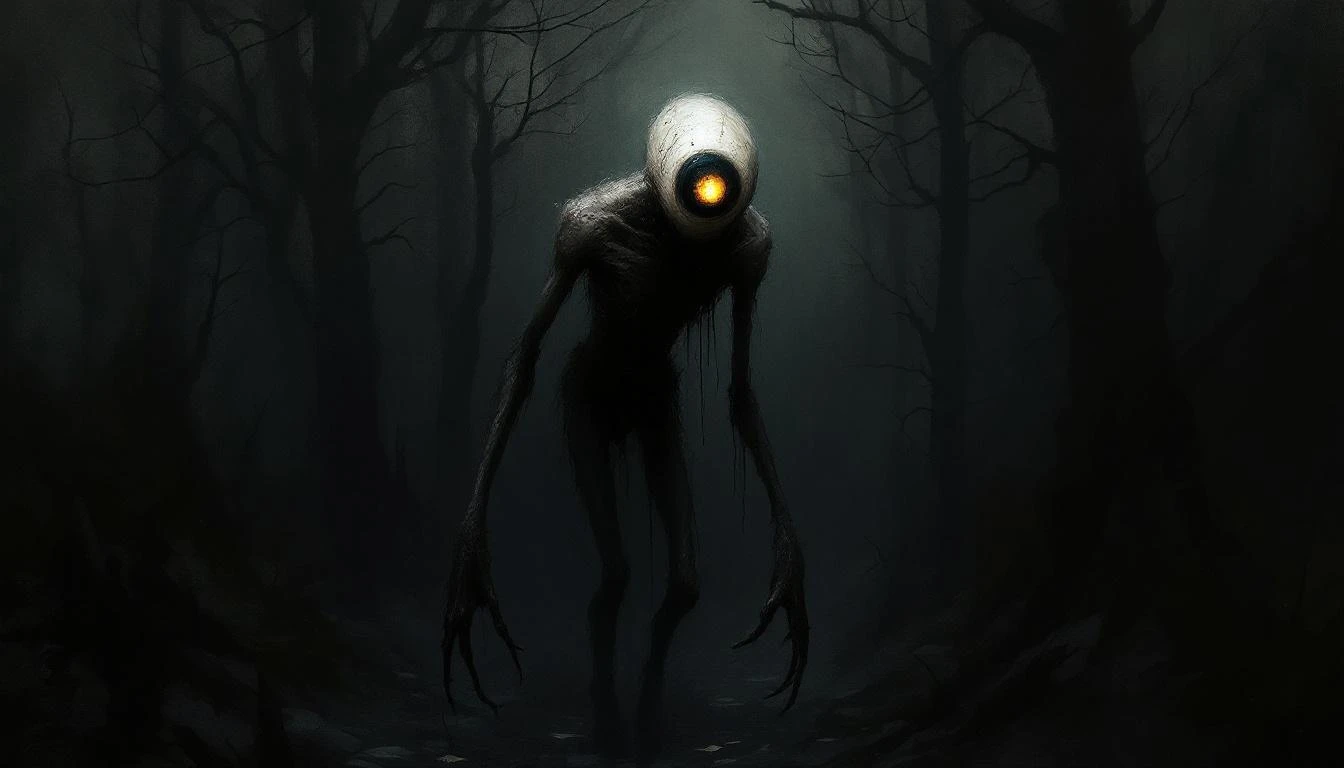
In Slavic folklore, Likho is misfortune given flesh — a one-eyed creature that attaches itself to you and cannot be shaken off. The Witcher made it a boss fight.
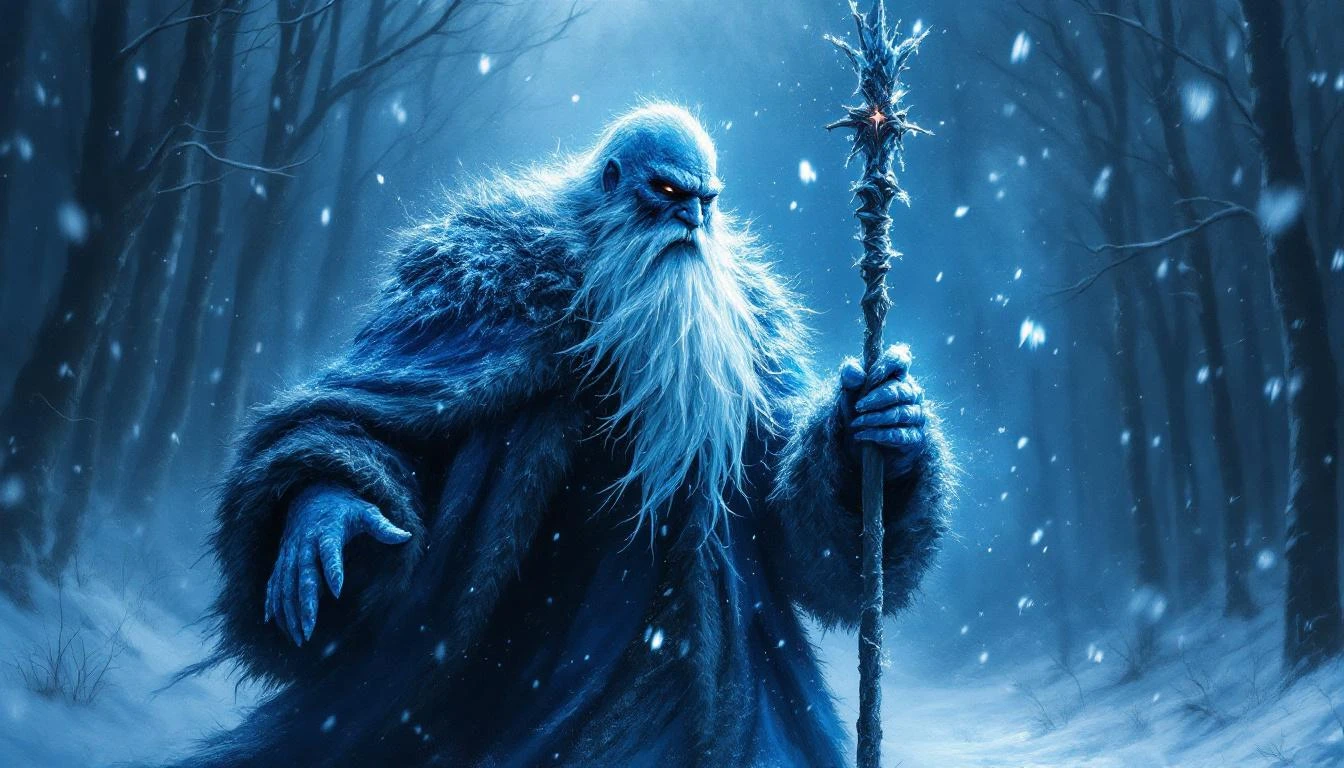
Morozko is not a gift-giver. In Slavic folklore, Father Frost is a test — and those who fail it freeze to death in the forest.
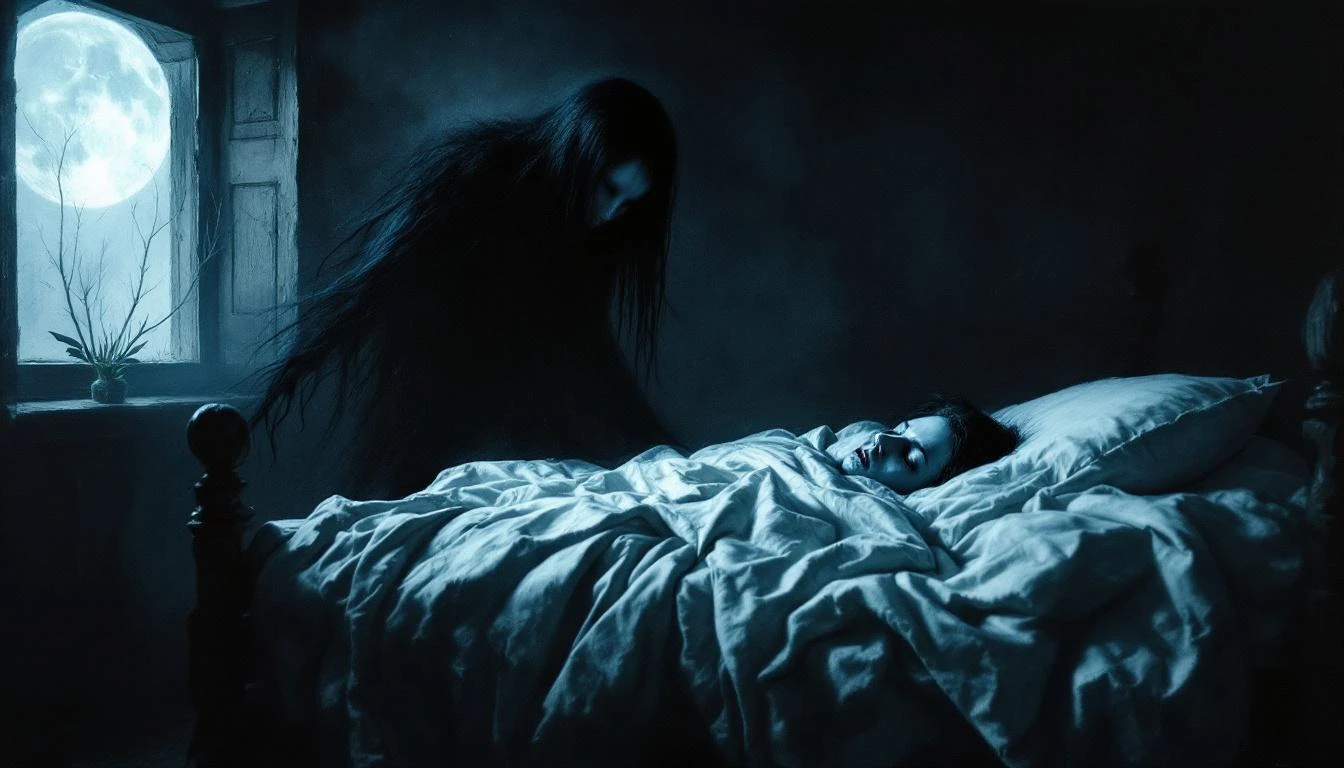
In Slavic folklore, the thing sitting on your chest at 3 AM has a name. The Nocnitsa is real — and she has been visiting sleepers for a thousand years.
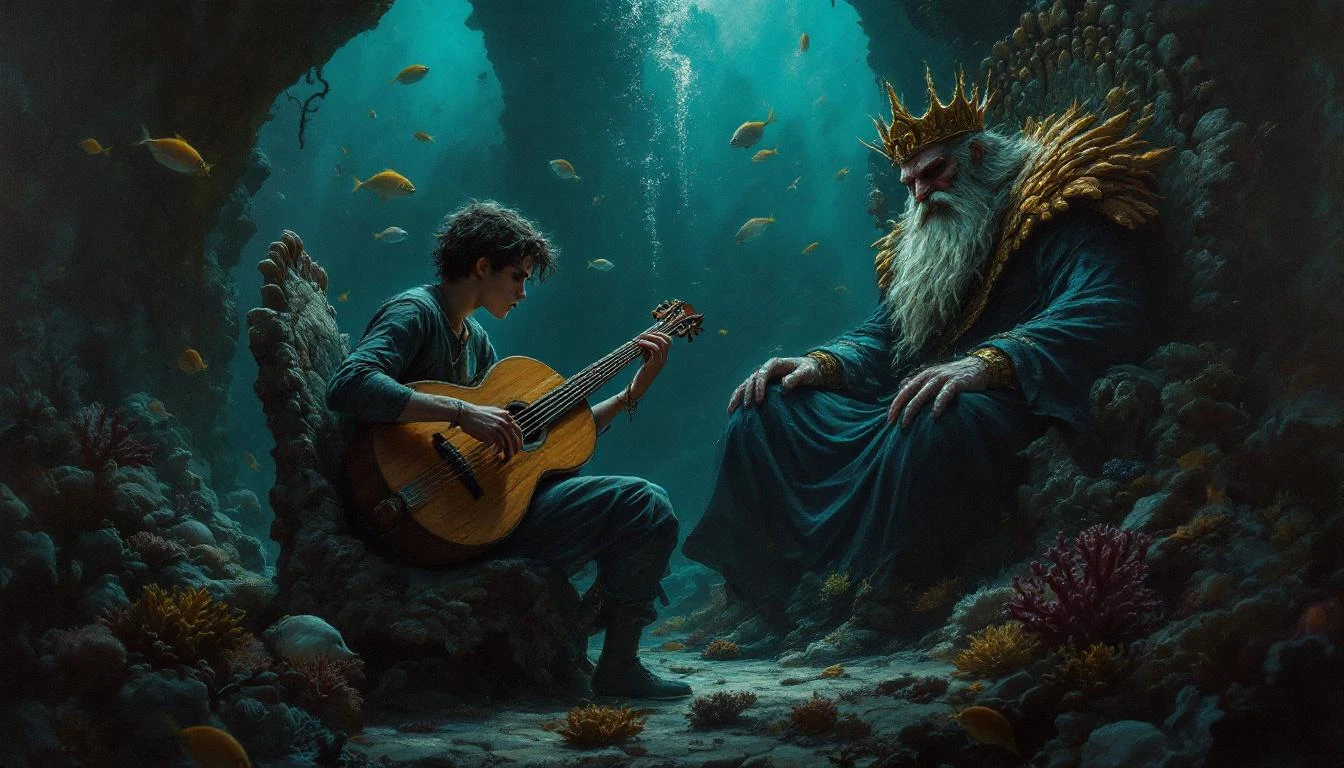
Sadko gambled everything on a song — and won a kingdom beneath the waves. The Russian epic of music, greed, and the price of enchantment.
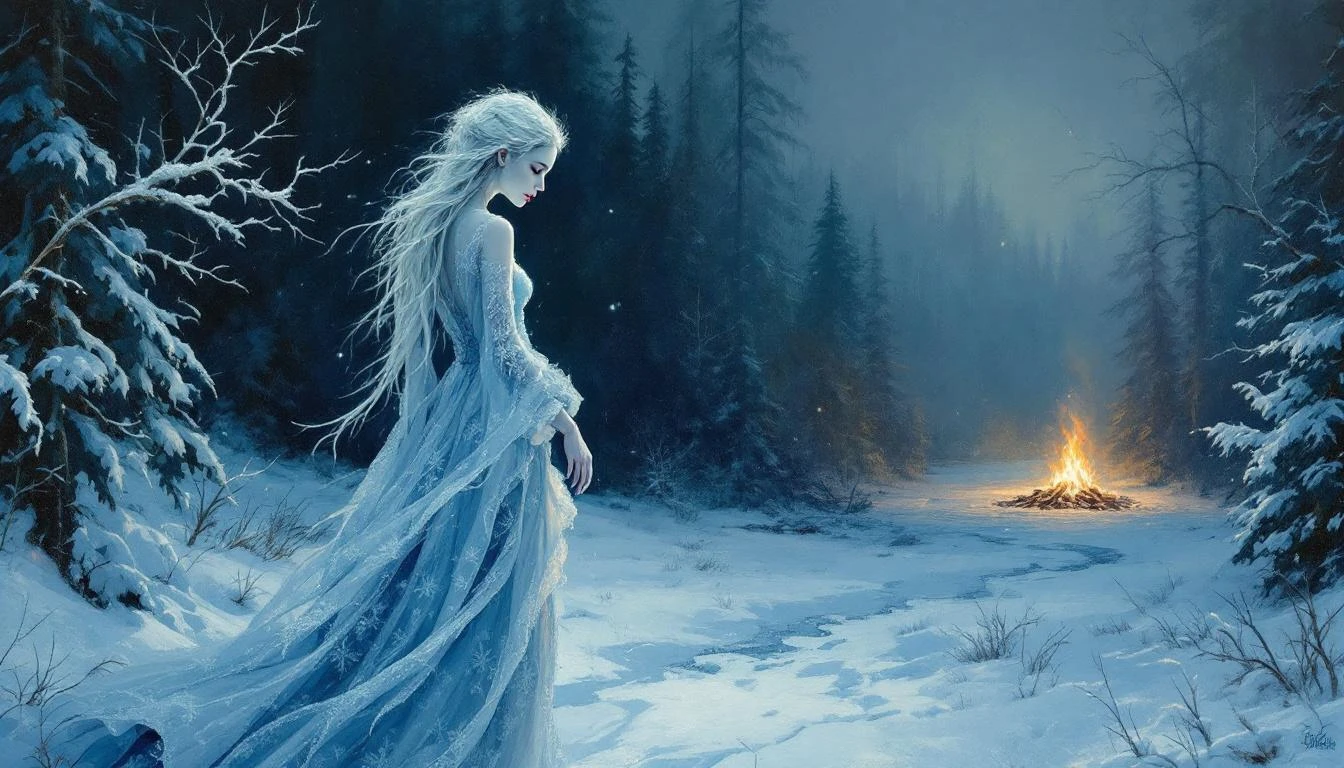
Made of snow by childless parents, Snegurochka is the most tragic figure in Slavic folklore — a girl who dies the moment she feels warmth.
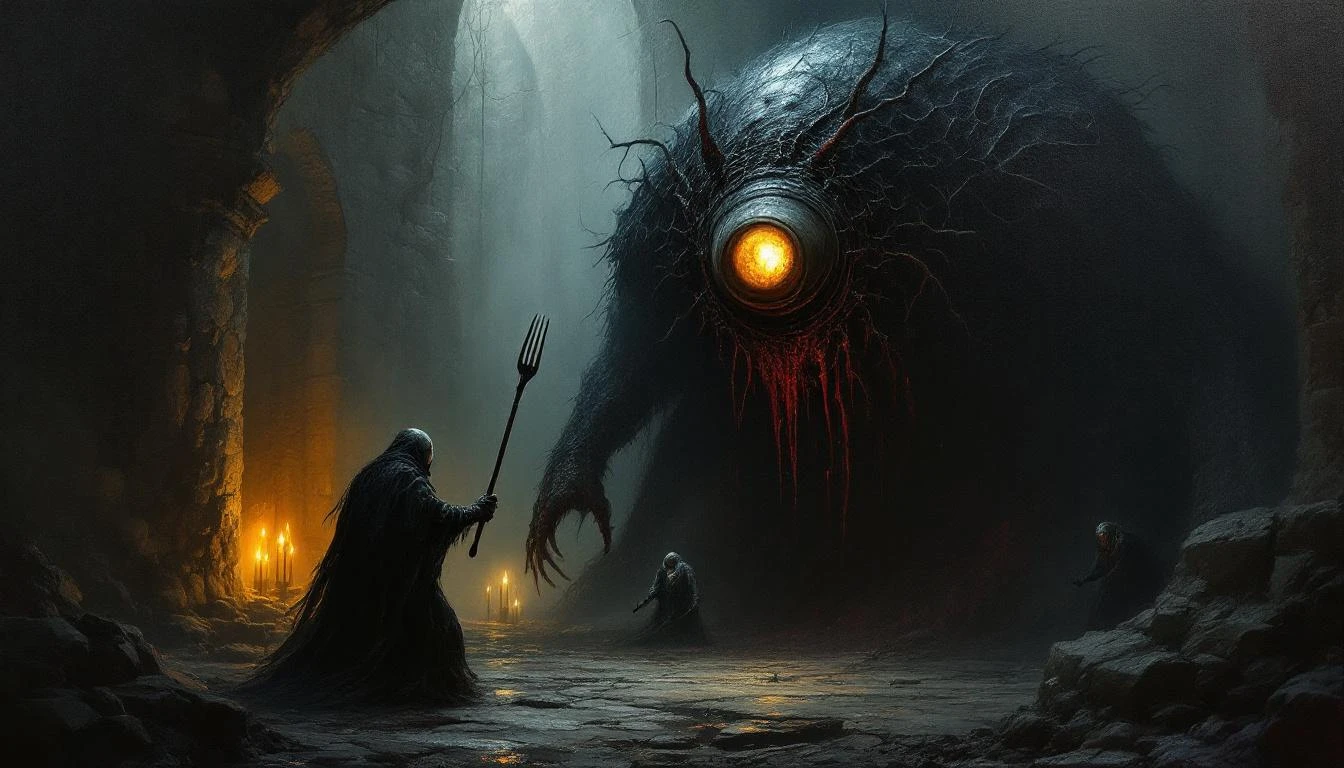
Viy cannot open his own eyes. When his servants lift his iron eyelids, everything he looks at dies. The terrifying truth behind Gogol's most famous horror.
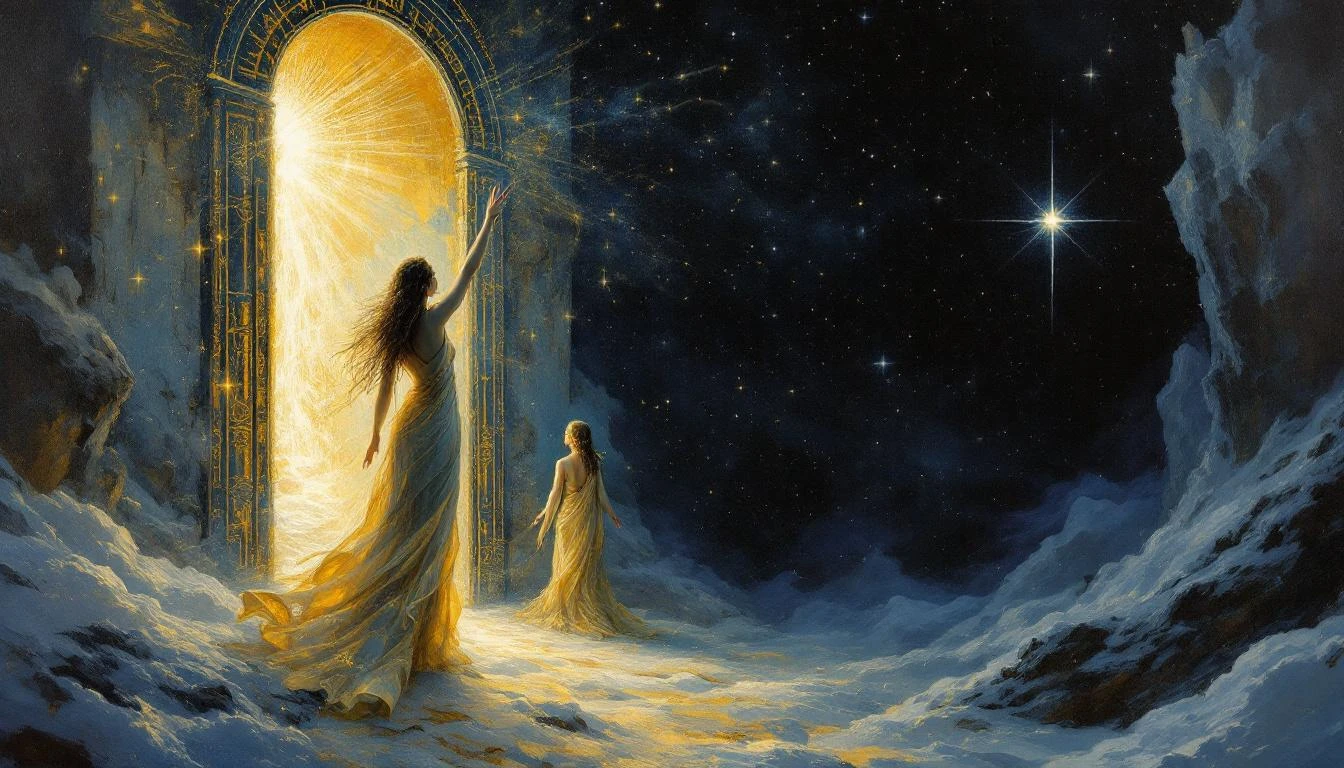
Two sisters open and close the gates of heaven each day. If they ever fail, a chained cosmic hound breaks free and devours the world.
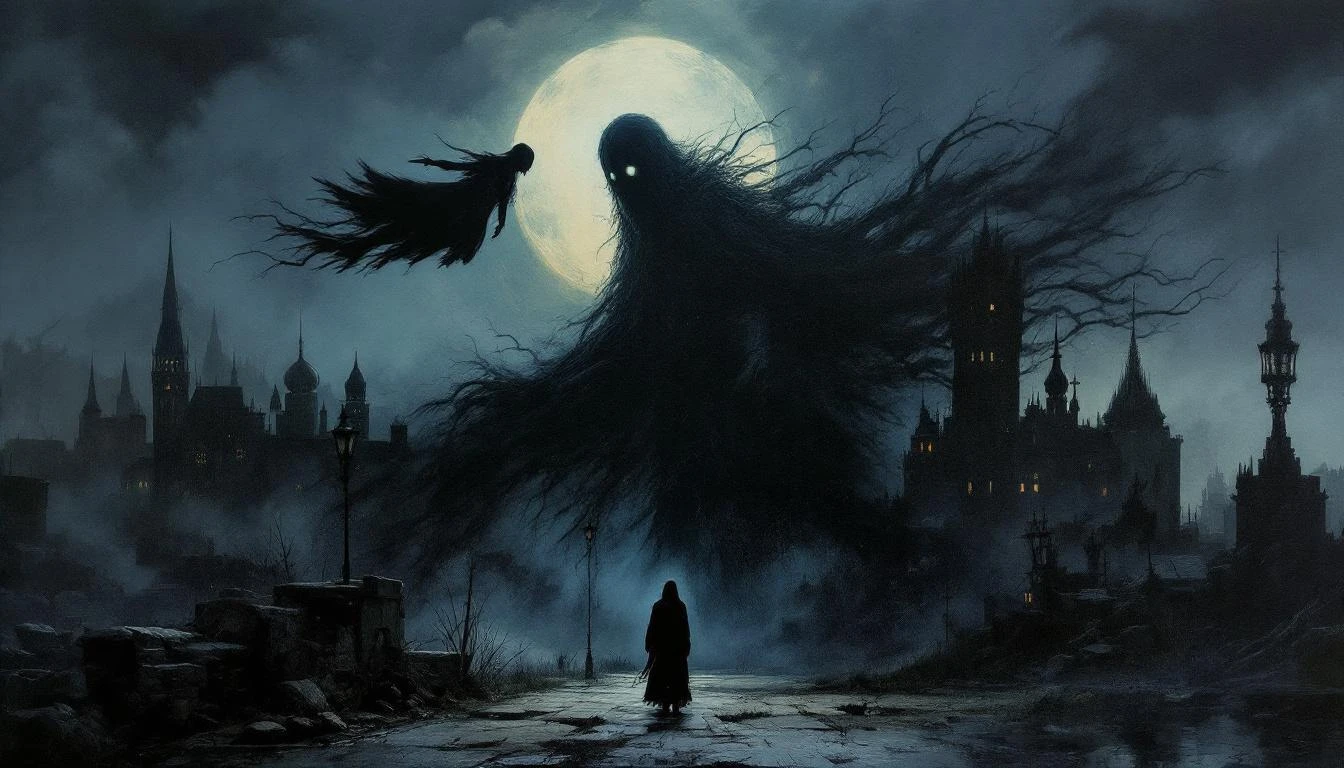
Every major Baba Yaga appearance in movies, games, and books — and what they get right and wrong about the real Slavic myth.
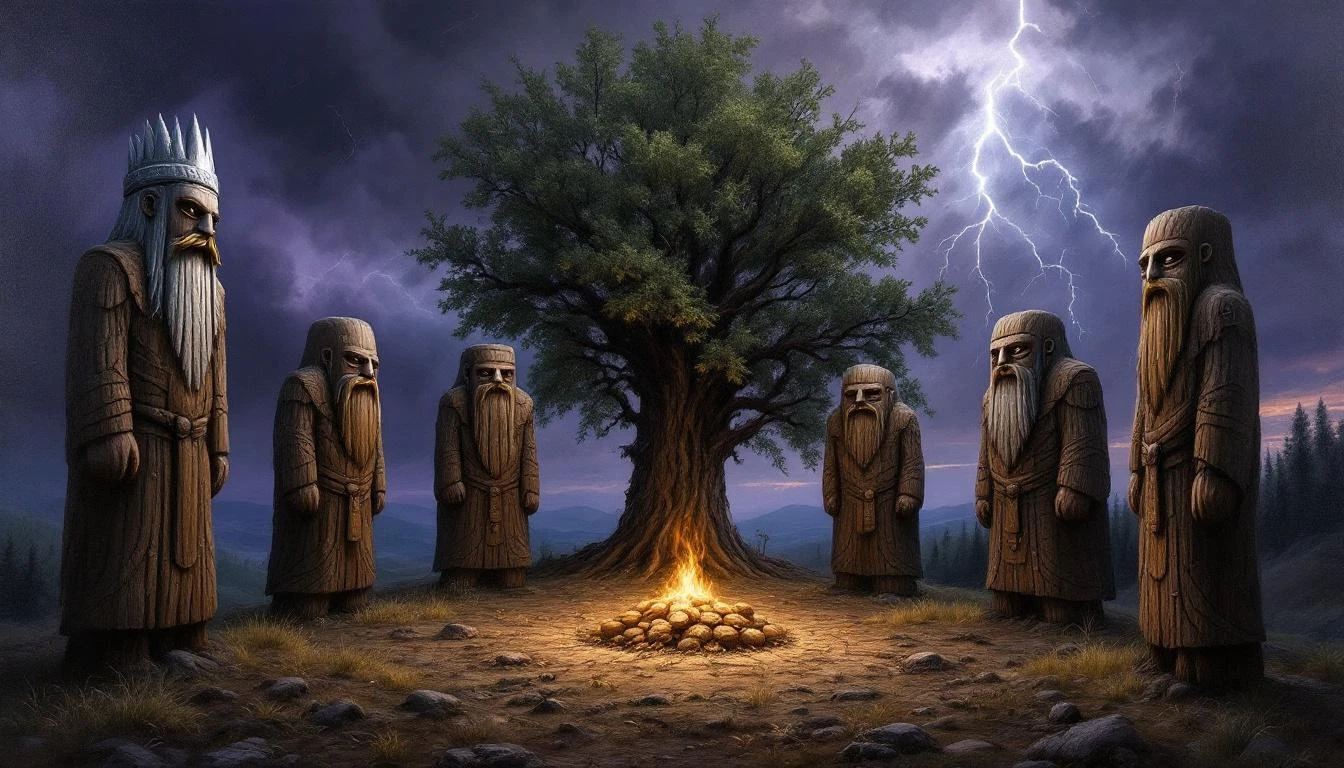
A full list of every known Slavic god and goddess — from Perun and Veles to forgotten deities lost to Christianization. Domains, myths, and connections.
Every spirit, monster, and supernatural being in Slavic folklore — from forest lords to household guardians to the unquiet dead.
The real folklore is darker than any horror movie. These Eastern European legends were told not to entertain — but to survive.
From Slavic strigas to Japanese yokai — the definitive list of folklore creatures with origins, descriptions, and the stories behind the monsters.
Chernobog, Mokosh, Zmey Gorynych — learn to pronounce 35+ Slavic mythology names with phonetic breakdowns, grouped by gods, creatures, spirits, and places.
The real Russian fairy tales are nothing like their Western adaptations. From Baba Yaga to Koschei — discover the darkness behind the magic.
From TikTok to tattoo parlors — the Slavic Core aesthetic is reclaiming ancient mythology for a new generation. Here's what's behind the trend.
A curated guide to the best books on Slavic mythology — from Afanasyev's folklore collections to modern fiction that brings the old gods back to life.
How Disney turned Slavic gods into cartoon villains — from Chernabog in Fantasia to the Firebird and Baba Yaga. The real folklore behind the spectacle.
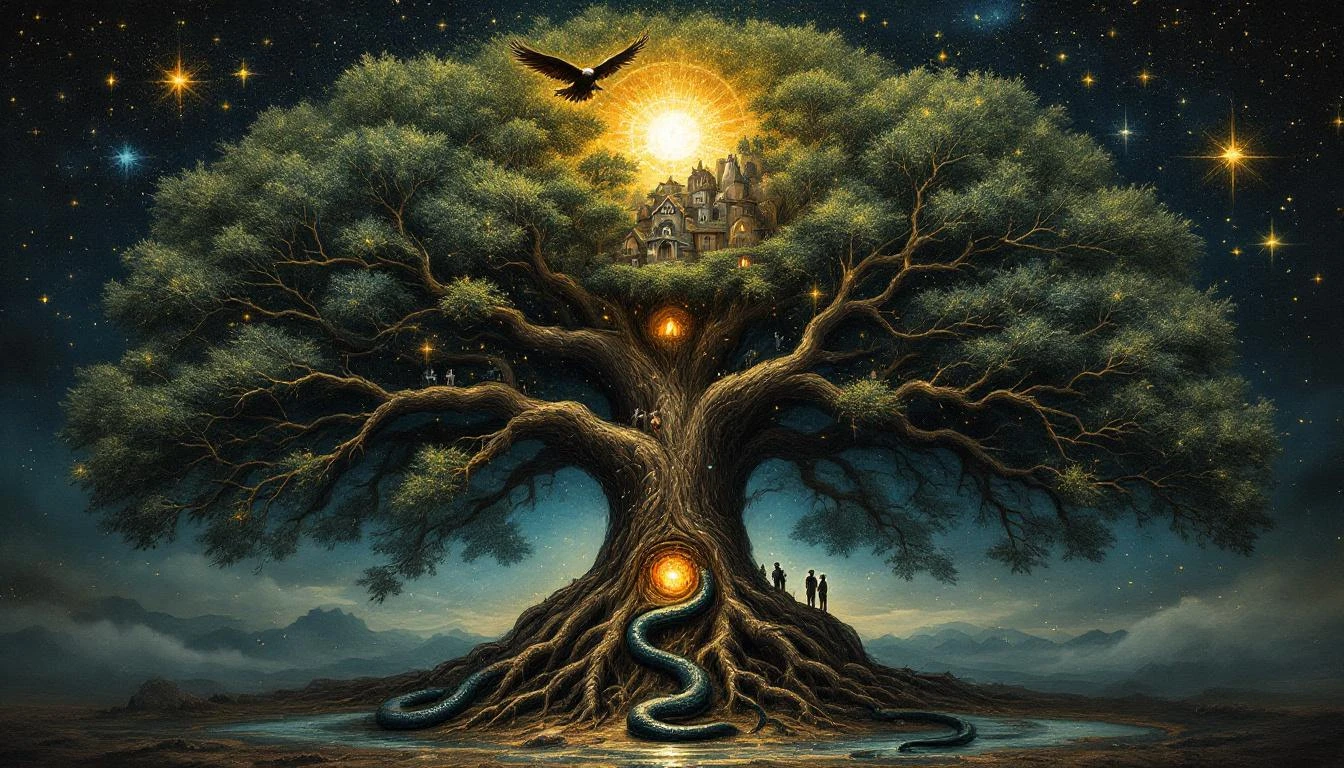
New to Slavic mythology? Start here. Gods, spirits, three worlds, and the oral tradition that survived a thousand years of silence.
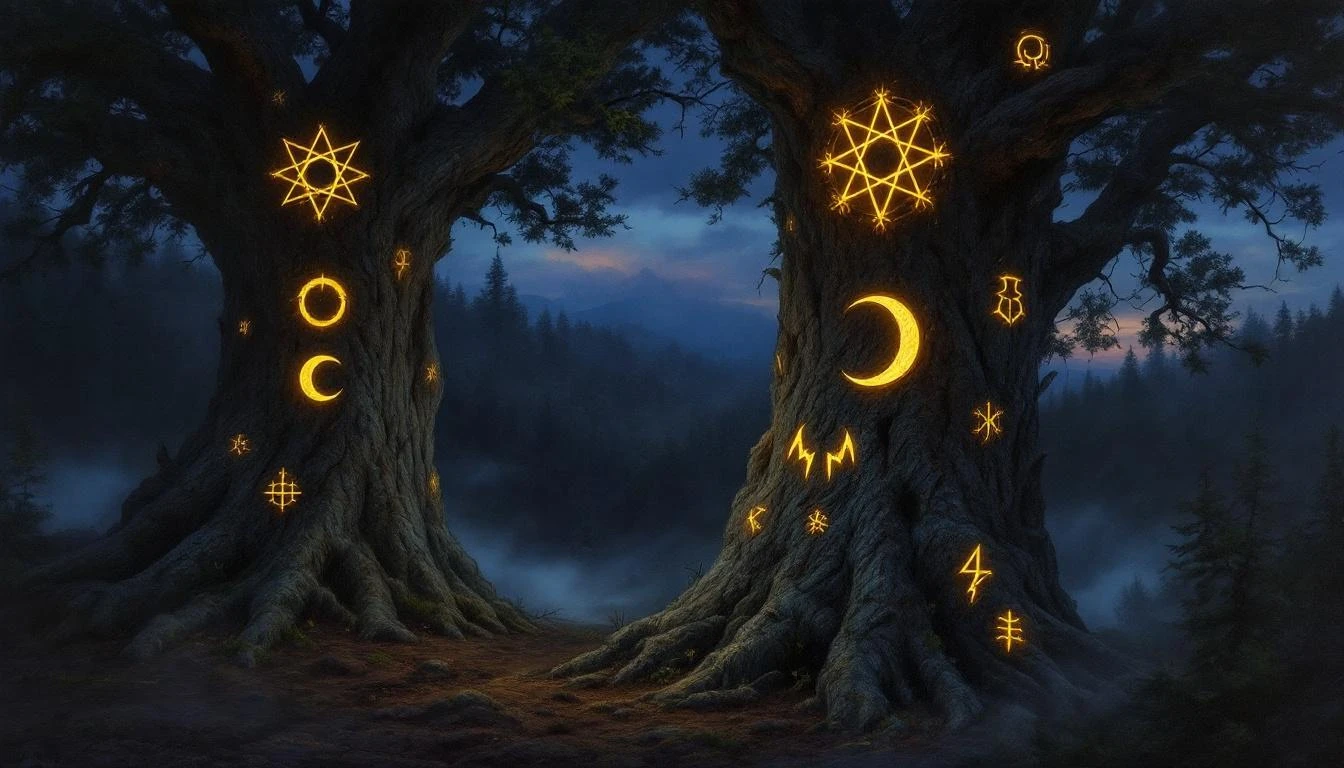
Discover the ancient Slavic symbols used as protective amulets — from the Kolovrat solar wheel to Perun's Thunder Mark, Lunnitsa, and the Alatyr star.
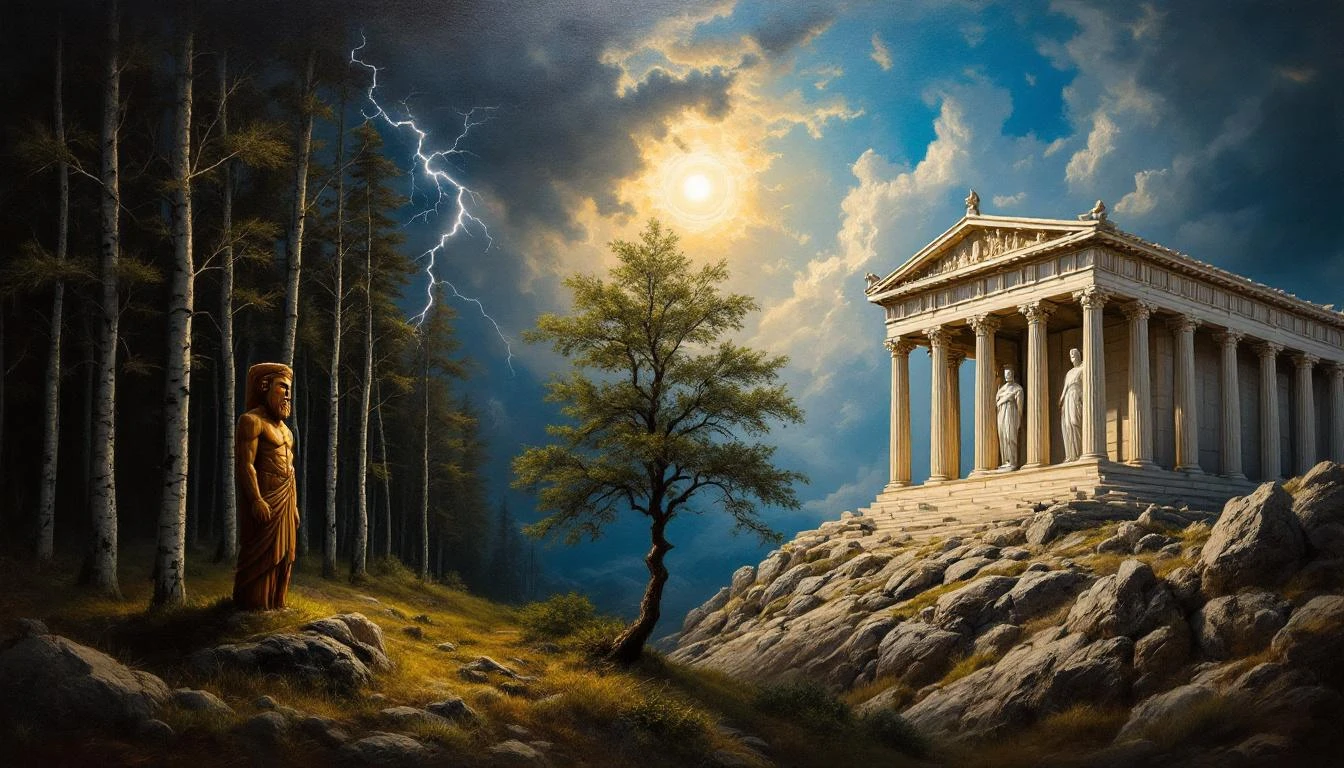
A deep comparison of Slavic and Greek mythology — from Perun and Zeus to Veles and Hades, and the fundamental worldview that divides them.
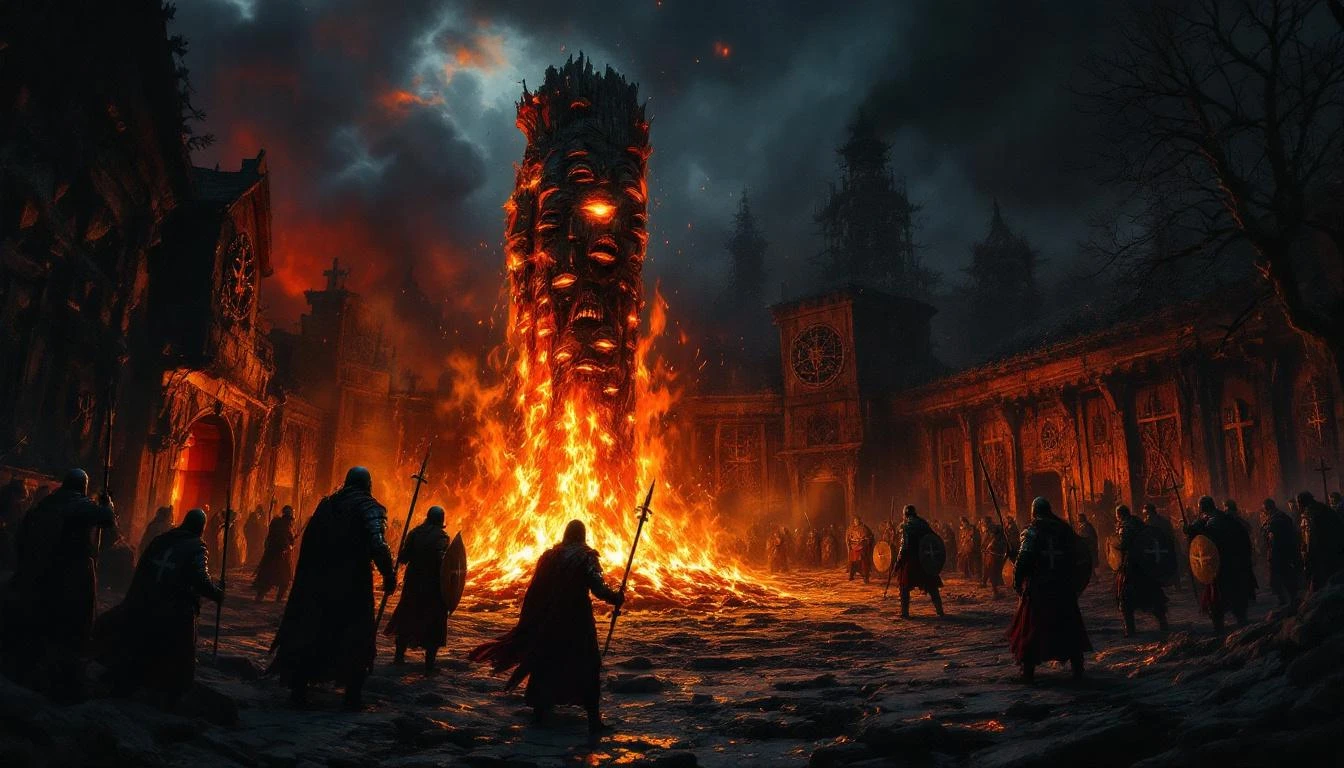
The Christianization of the Slavs destroyed temples, toppled idols, and outlawed centuries of pagan worship. But the old gods refused to die.
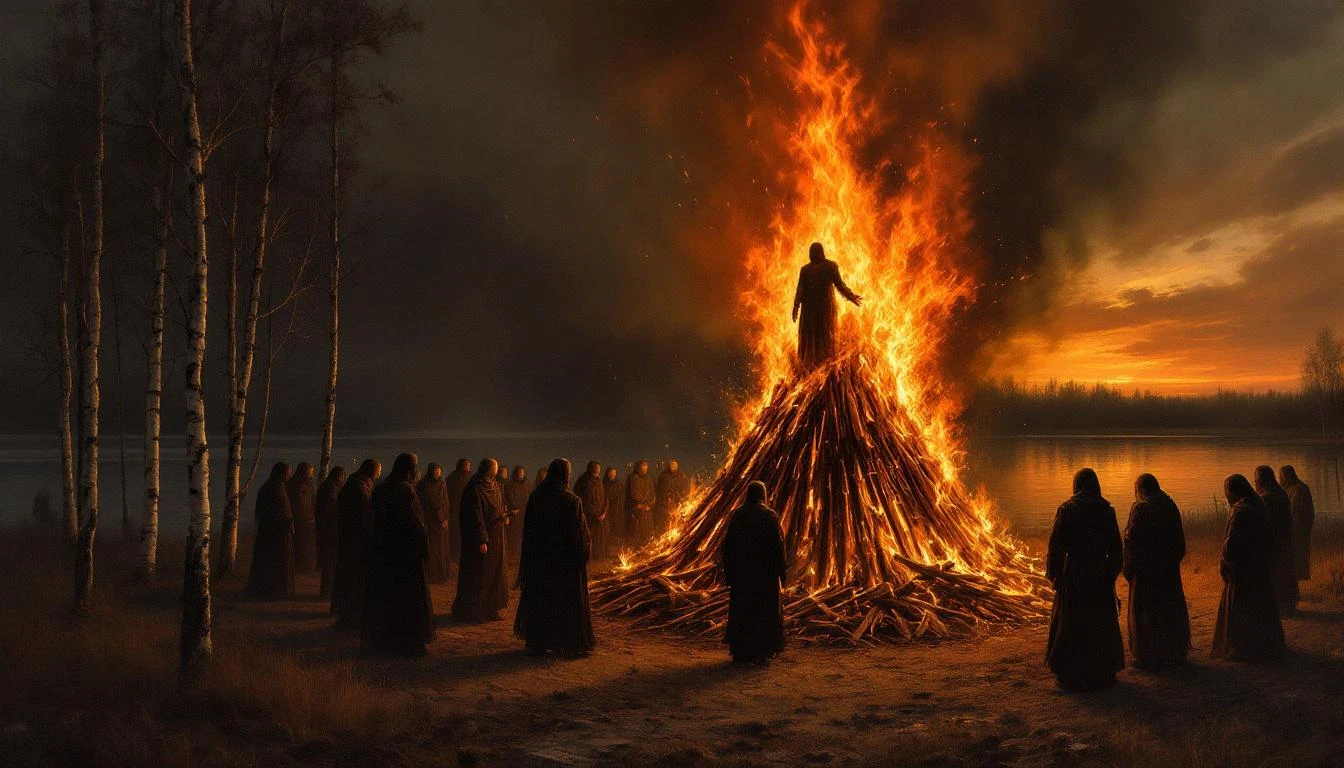
Pagan Slavs burned their dead at sunset, feasted beside the pyre, and fed the departed for forty days. Inside the cremation rituals and burial customs that shaped Slavic death culture.
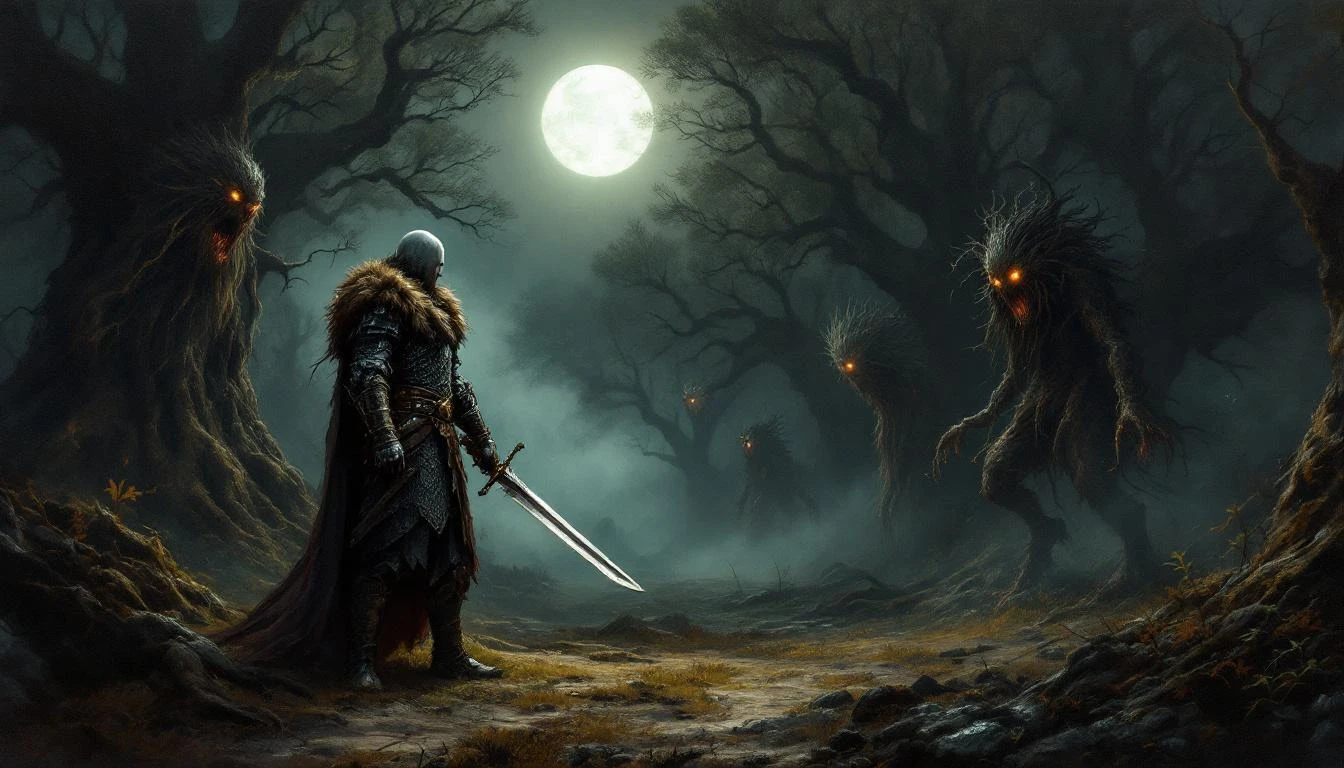
The Witcher, Black Book, Yaga, Thea — how video games adapt Slavic folklore into interactive worlds, and what they get right and wrong.
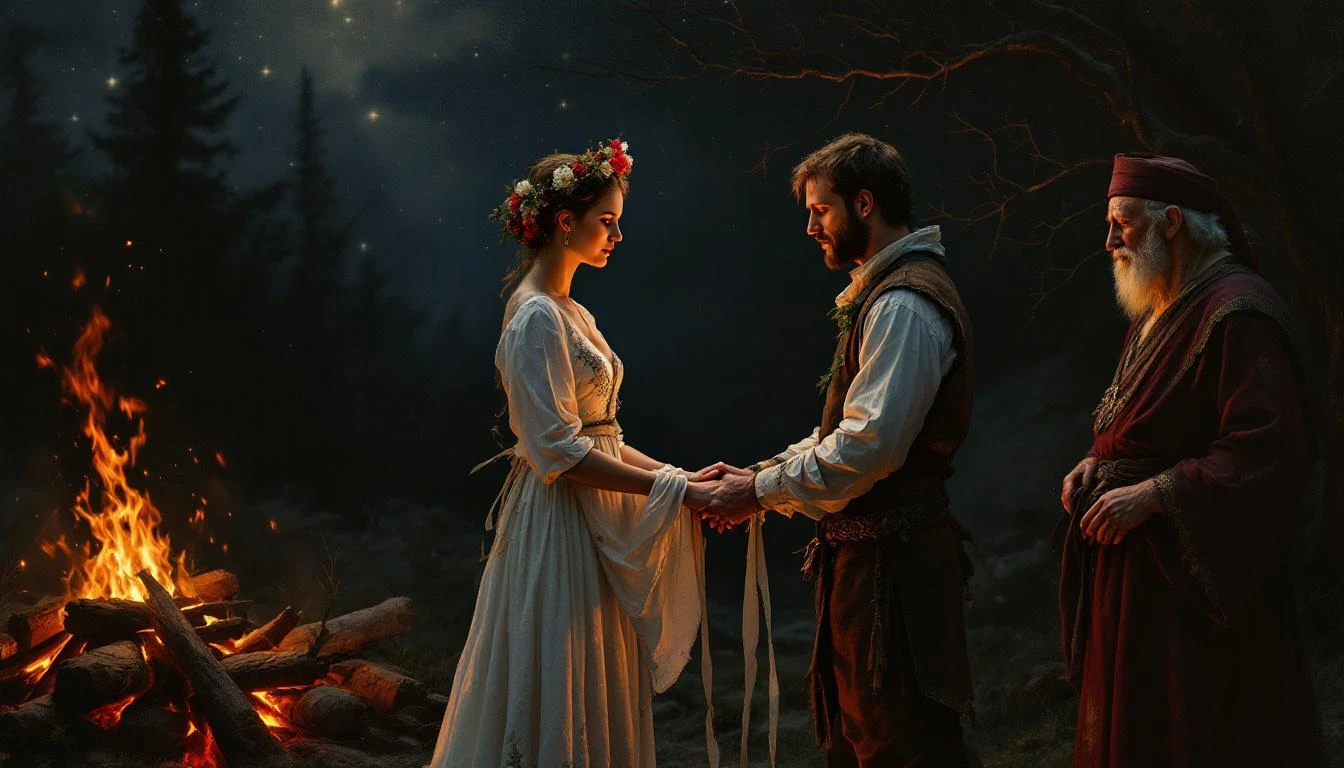
From bride capture to the korovai feast, Slavic wedding rites were rituals of death and rebirth — a woman left one world and entered another forever.
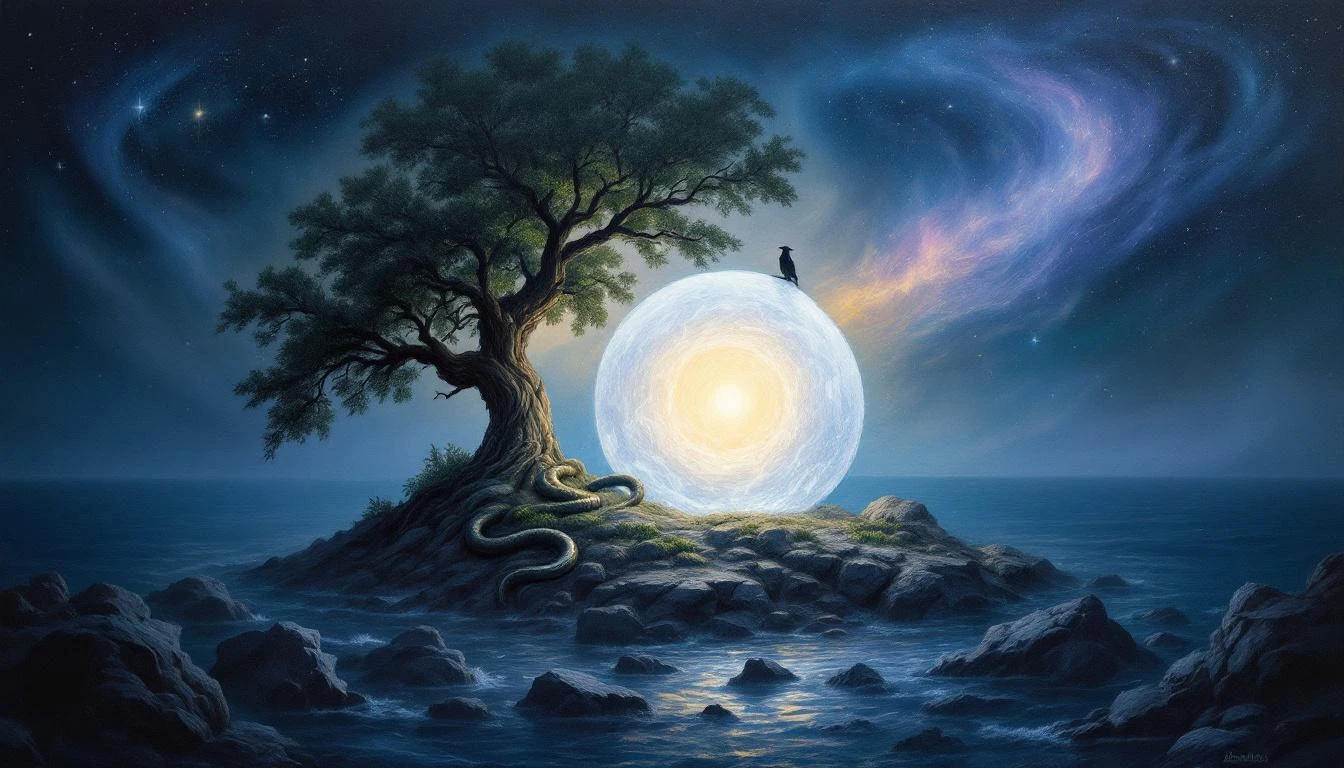
The Alatyr Stone is the father of all stones in Slavic mythology — a sacred white rock at the center of creation from which all healing rivers flow.
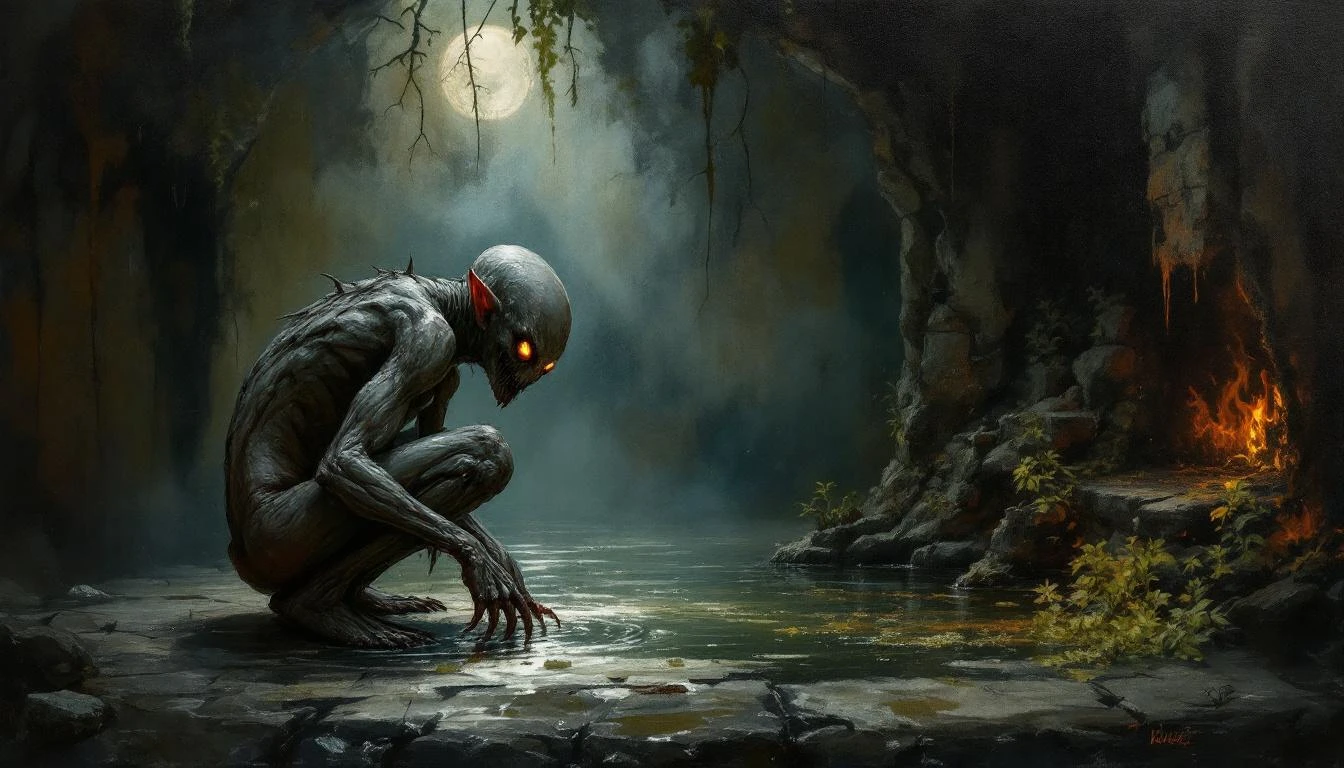
Anchutka is Slavic folklore's smallest and most dangerous imp — heelless, bald, and summoned by the mere mention of its name. Meet the demon nobody dares speak of.
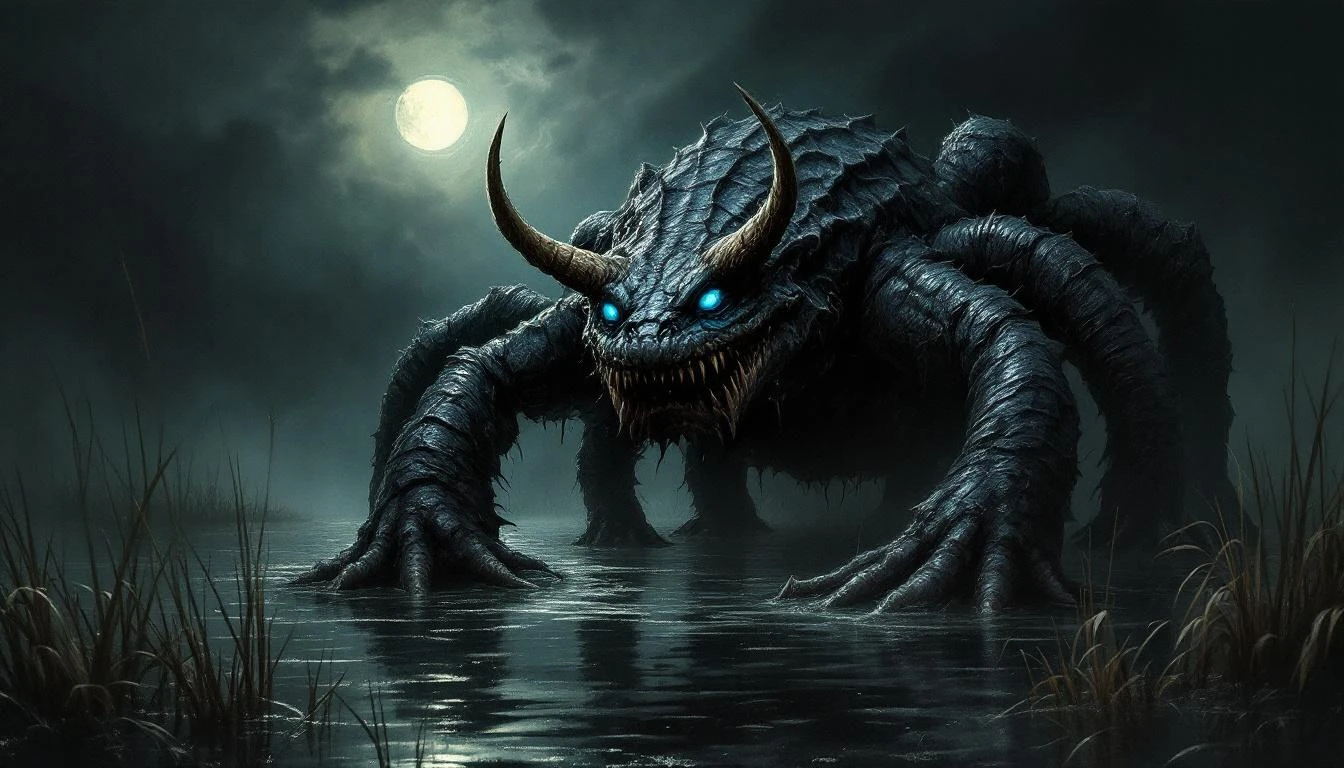
The Bukavac lurks in the lakes of Syrmia — a six-legged, horned monster that strangles victims in the dark. Discover Serbia's most terrifying water demon.
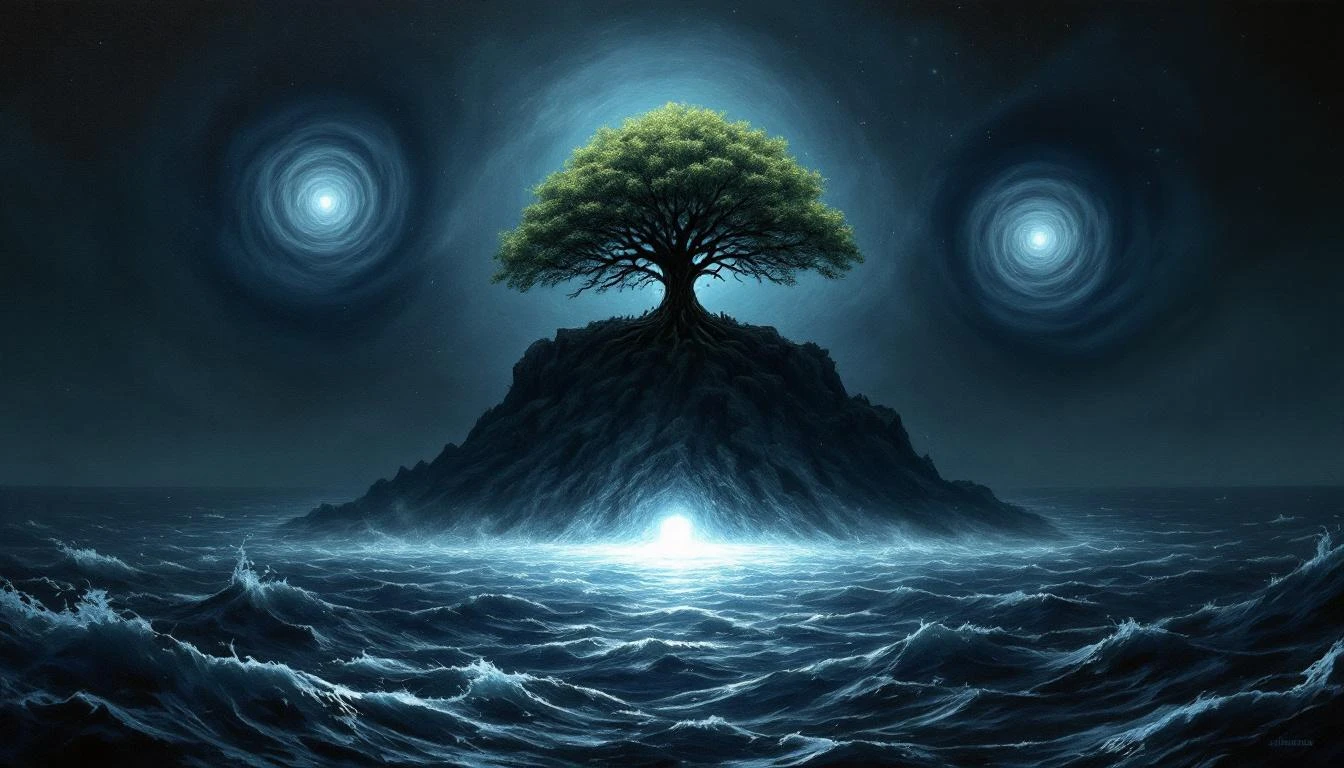
Buyan is the mythical island in the ocean-sea where the Alatyr stone rests, the winds are born, and every Slavic healing charm draws its power. Discover the sacred center of the cosmos.
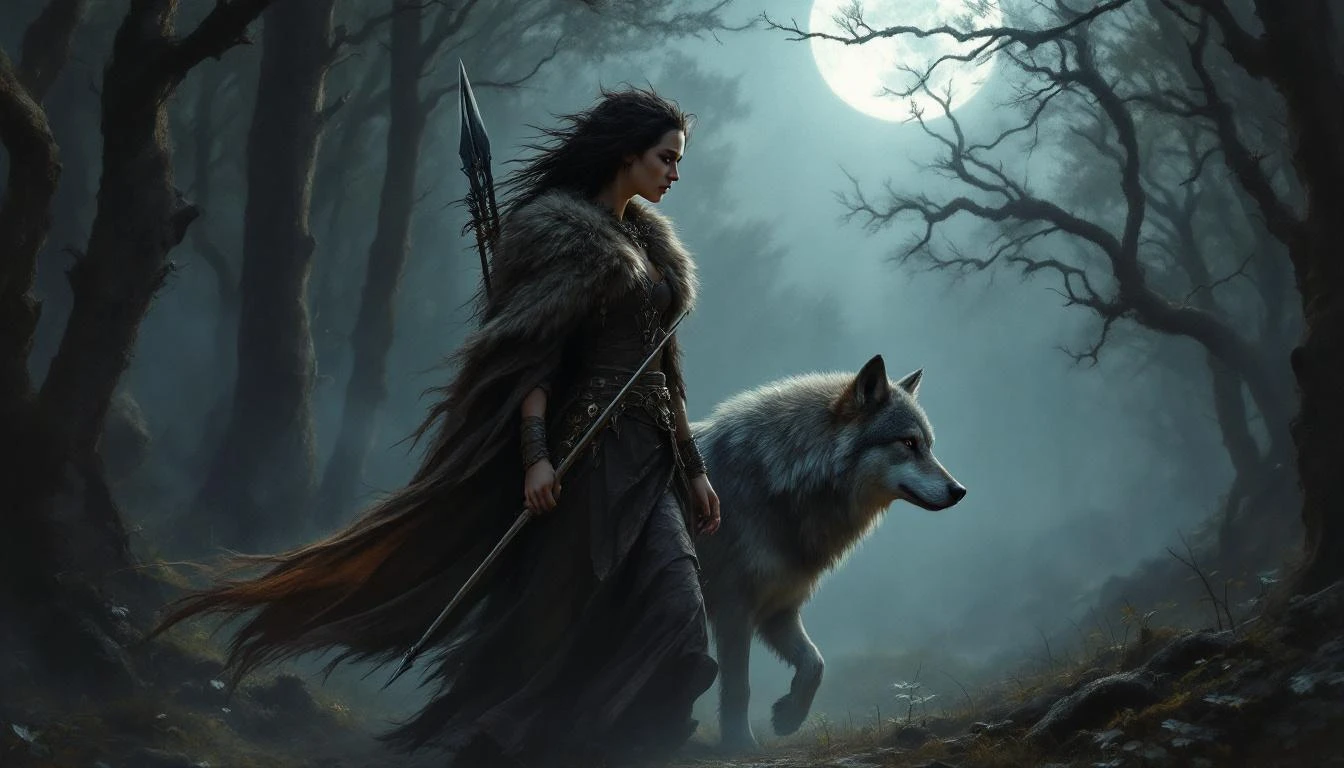
Devana, the Slavic goddess of the hunt, forests, and wild nature, defied even her father Perun. Discover the fierce West Slavic deity who chose the wilderness over obedience.
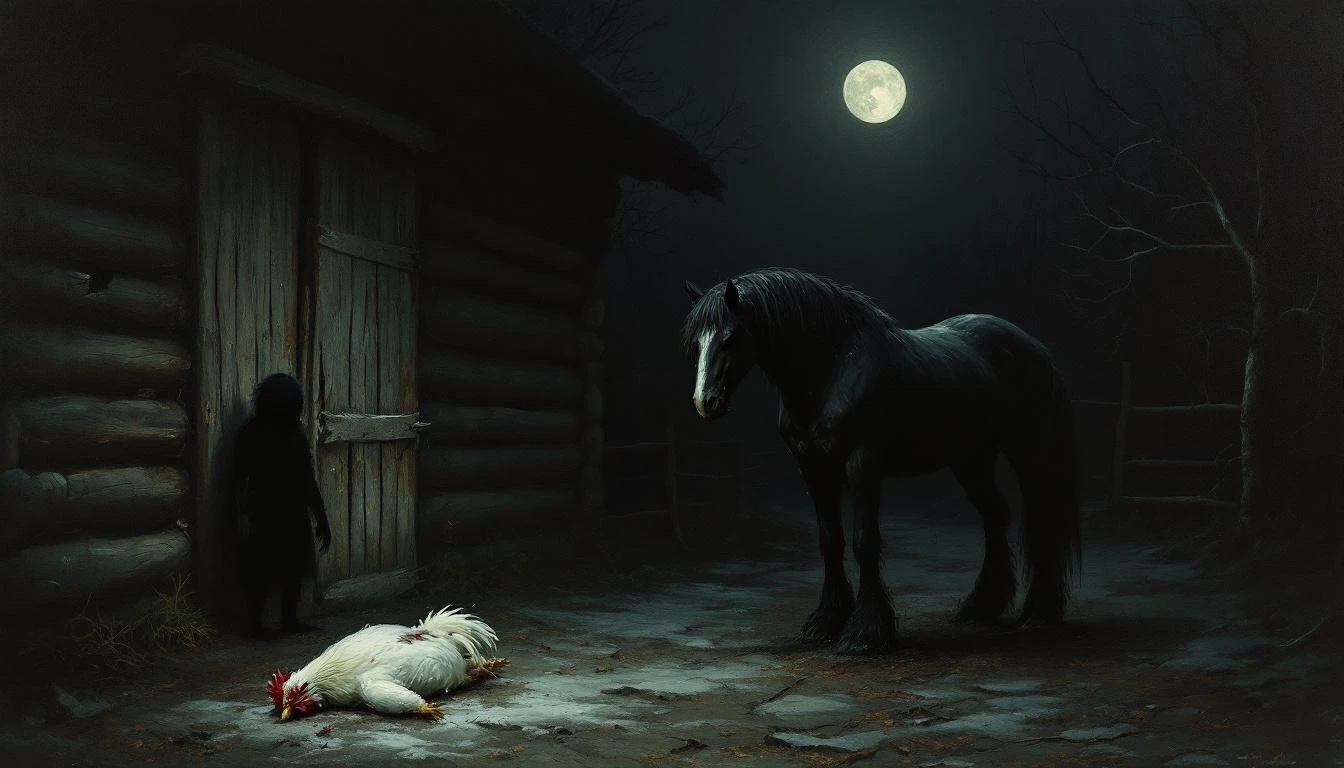
The Dvorovoy is the Slavic yard spirit who guards livestock, adores dark-coated animals, and torments anything white-furred brought into his courtyard.
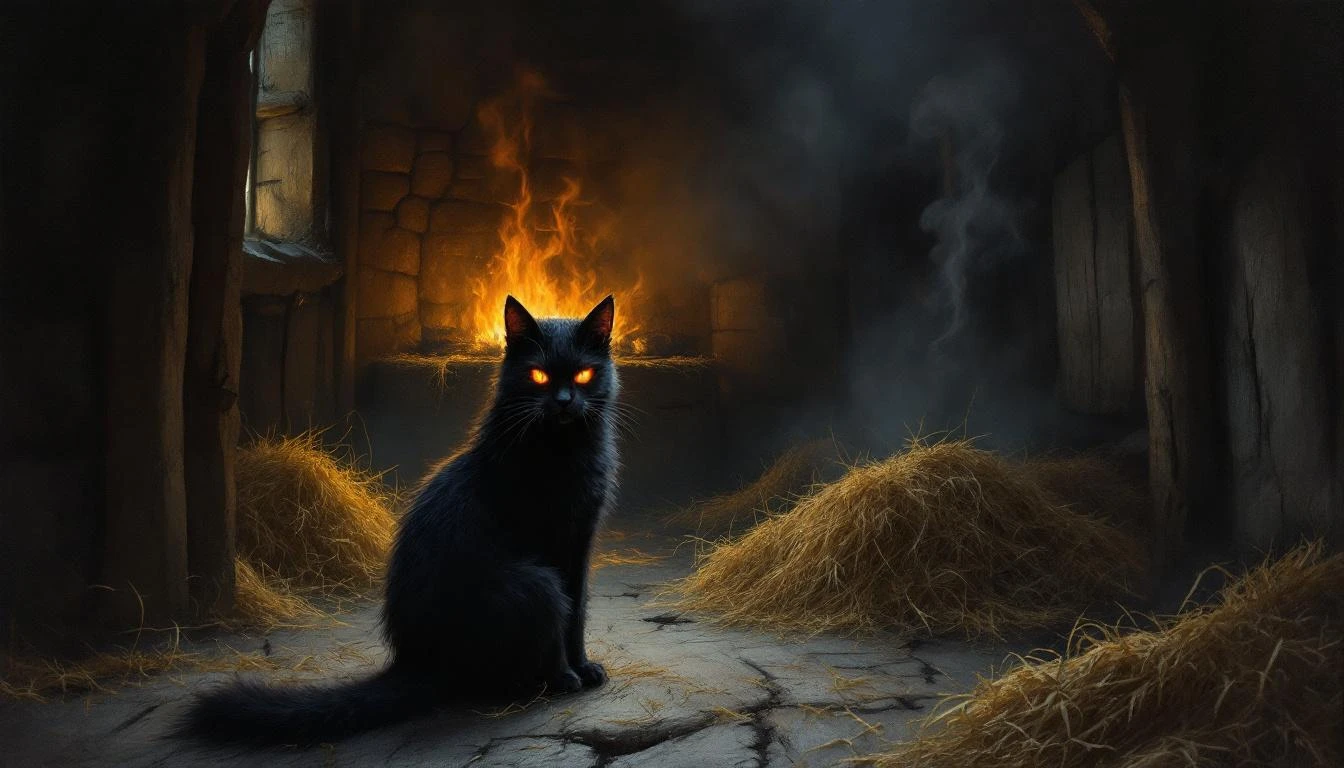
The Ovinnik is the Slavic spirit of the threshing barn — a shape-shifting black cat with burning eyes who guards the grain, demands blood sacrifices, and tells your fortune by touch.
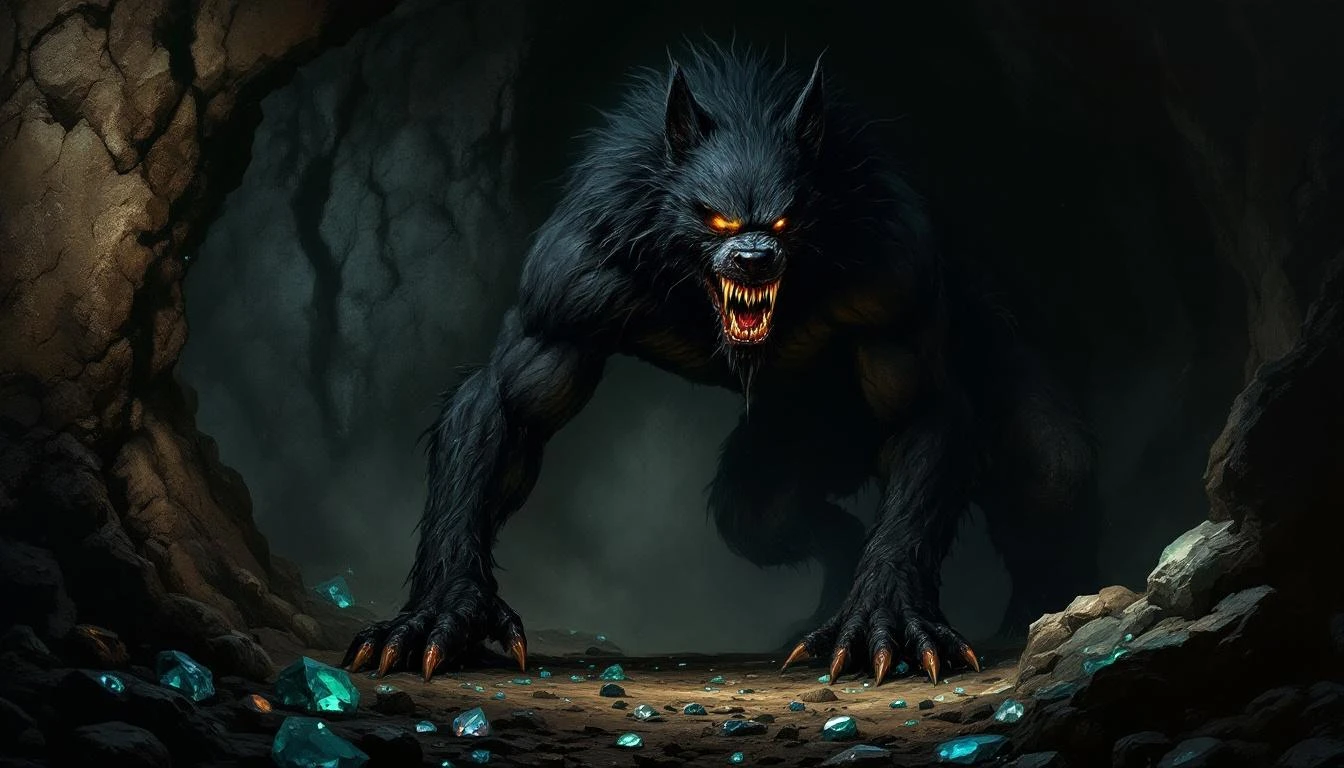
The Psoglav — a cyclopean, iron-fanged demon with a dog's skull and horse legs — haunted Balkan graves and lightless caverns. Discover Serbia's most fearsome ghoul.
Rod was the primordial ancestor deity of the Slavs — older than Perun, older than the pantheon itself. A god of birth, kin, and fate whose worship the Church could condemn but never fully erase.
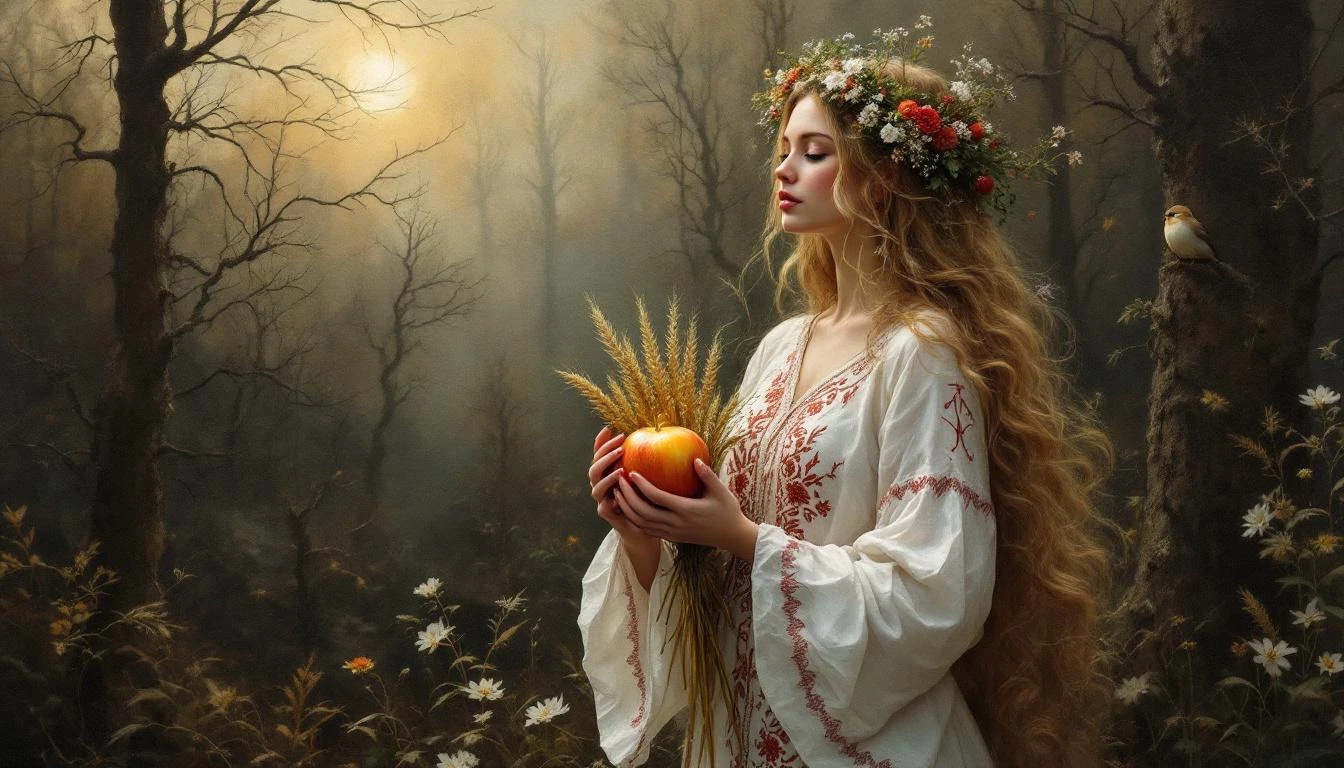
Zhiva was the West Slavic goddess of life and spring. The Polabians worshipped her until Christianity erased her temples — but her name lives on.
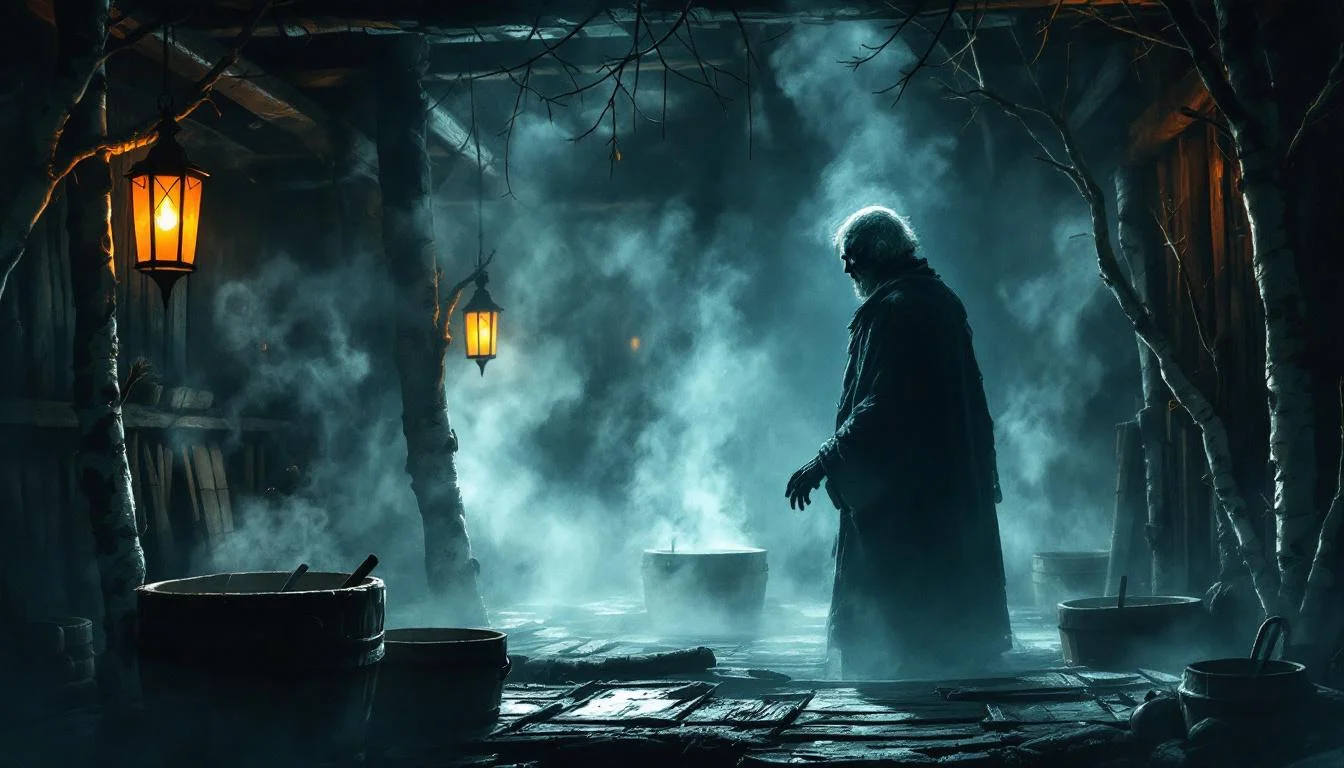
The Bannik is the Slavic spirit of the bathhouse — a shape-shifting old man who owns the steam, grants prophecies through touch, and punishes anyone foolish enough to enter his domain uninvited during the third round of bathing.
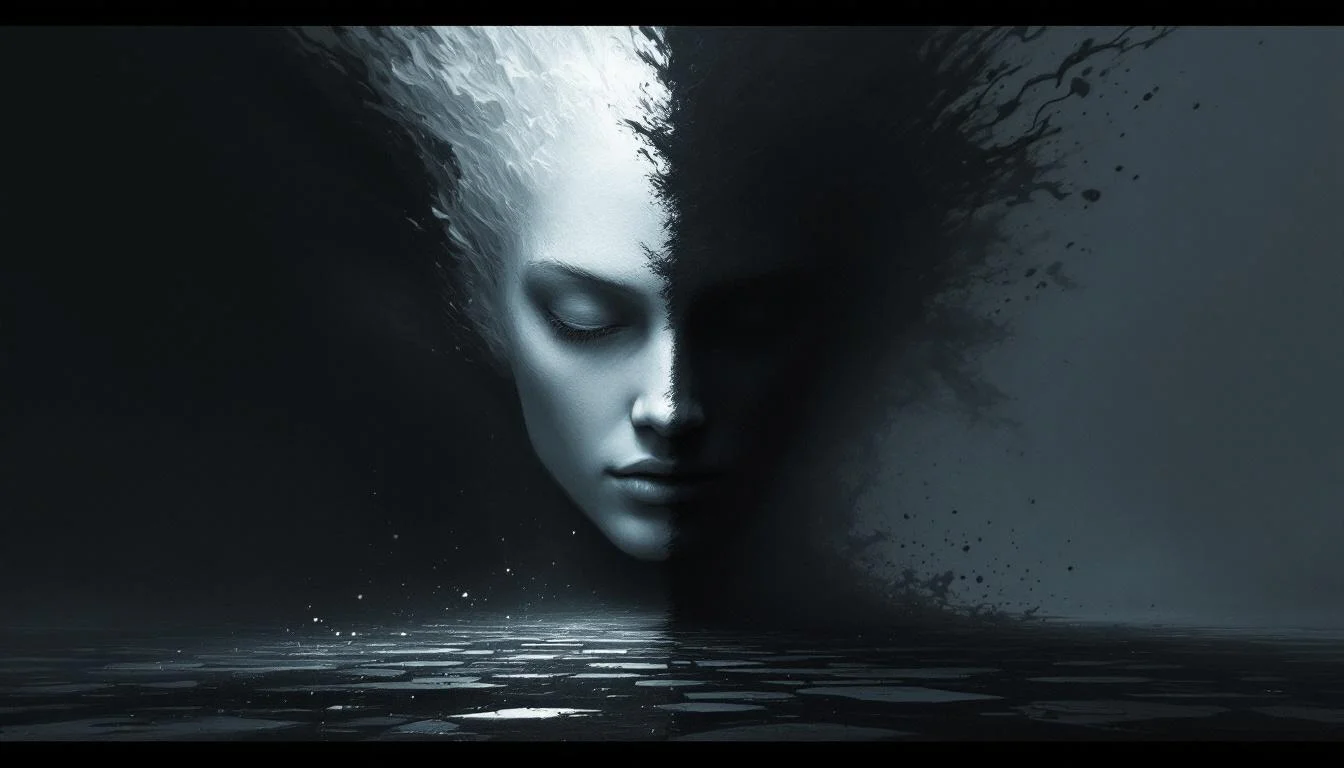
Belobog — the White God of Slavic mythology — has no primary sources, no temples, and no medieval attestation. So why do we keep insisting he was real? The story of a duality invented from silence.

Did Disney invent Chernobog? The truth about Slavic mythology's most controversial deity — one paragraph of evidence, centuries of debate. Discover the real story.
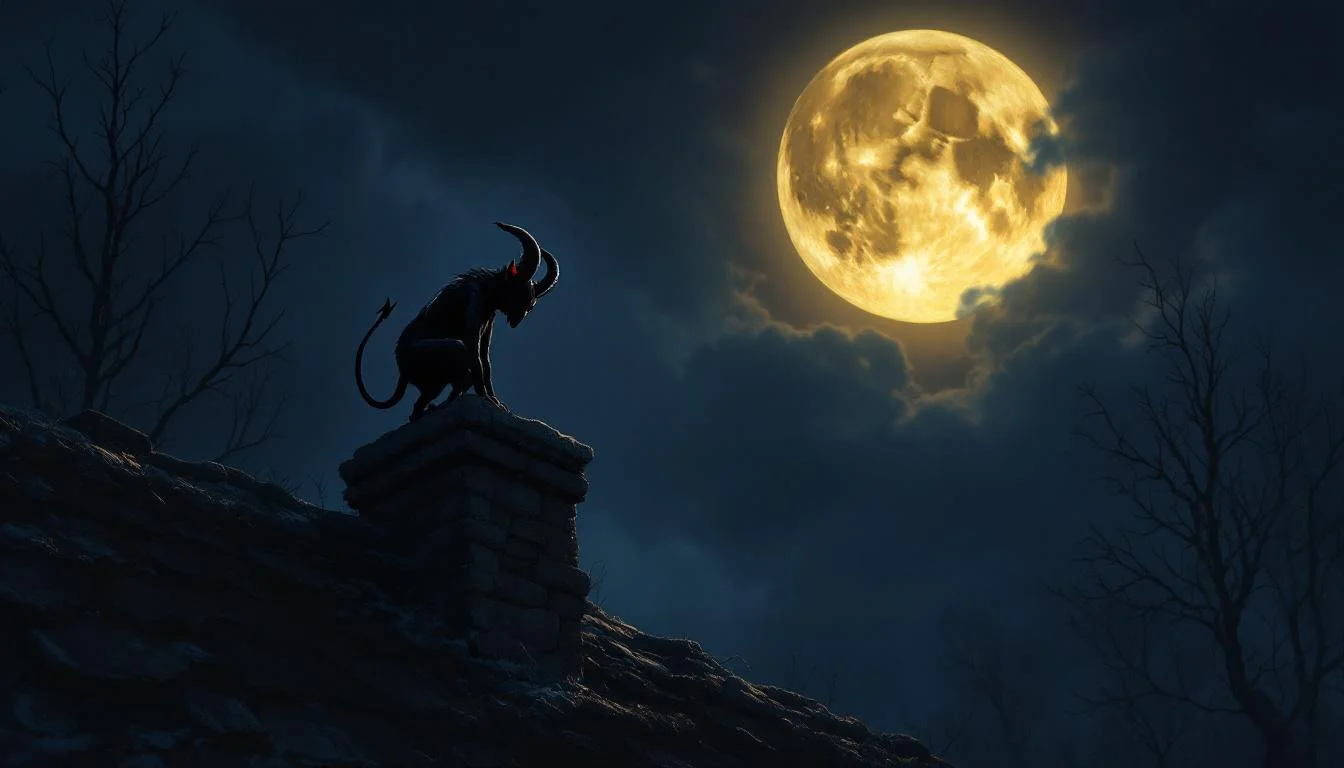
The Chort is Slavic folklore's most enduring demon — a bumbling, moon-stealing trickster who predates Christianity by centuries. Discover the real devil behind the folklore.
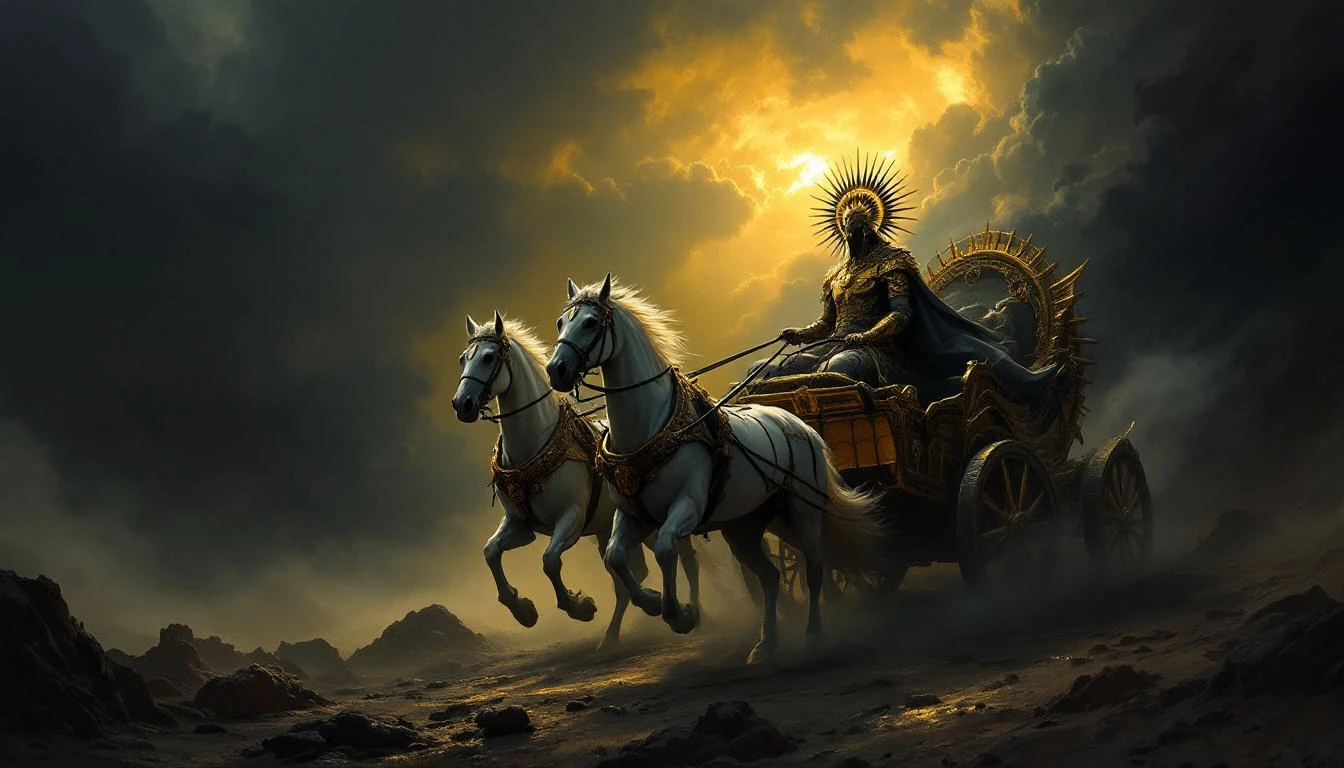
Dazhbog, son of Svarog, rode the sun across the sky and became divine ancestor of the Slavic princes. Meet the giving god whose name is a prayer and whose light was law.
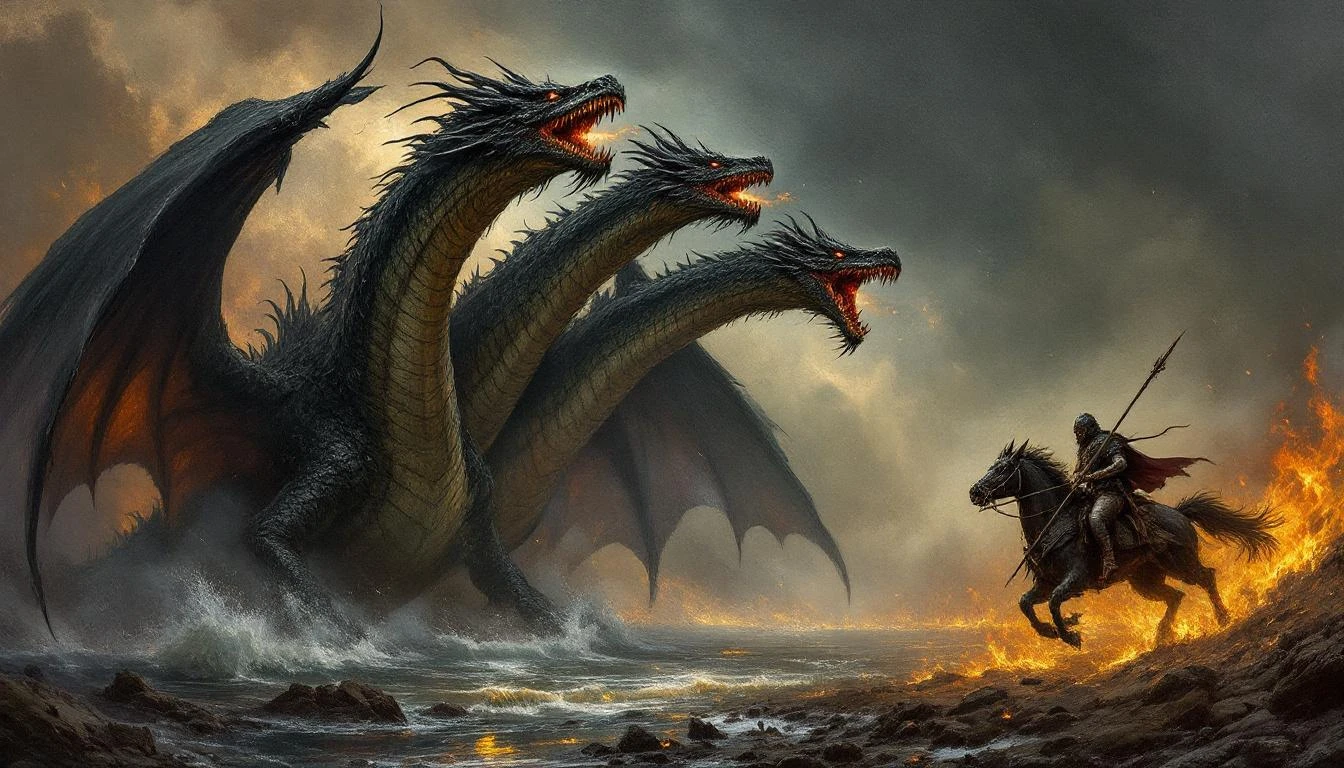
He played the gusli, negotiated treaties, and wrestled a warrior-woman who stuffed him in her pocket. Then he killed a three-headed dragon with a hat. The story of Dobrynya Nikitich — nobleman, diplomat, and dragon-slayer of Kievan Rus.
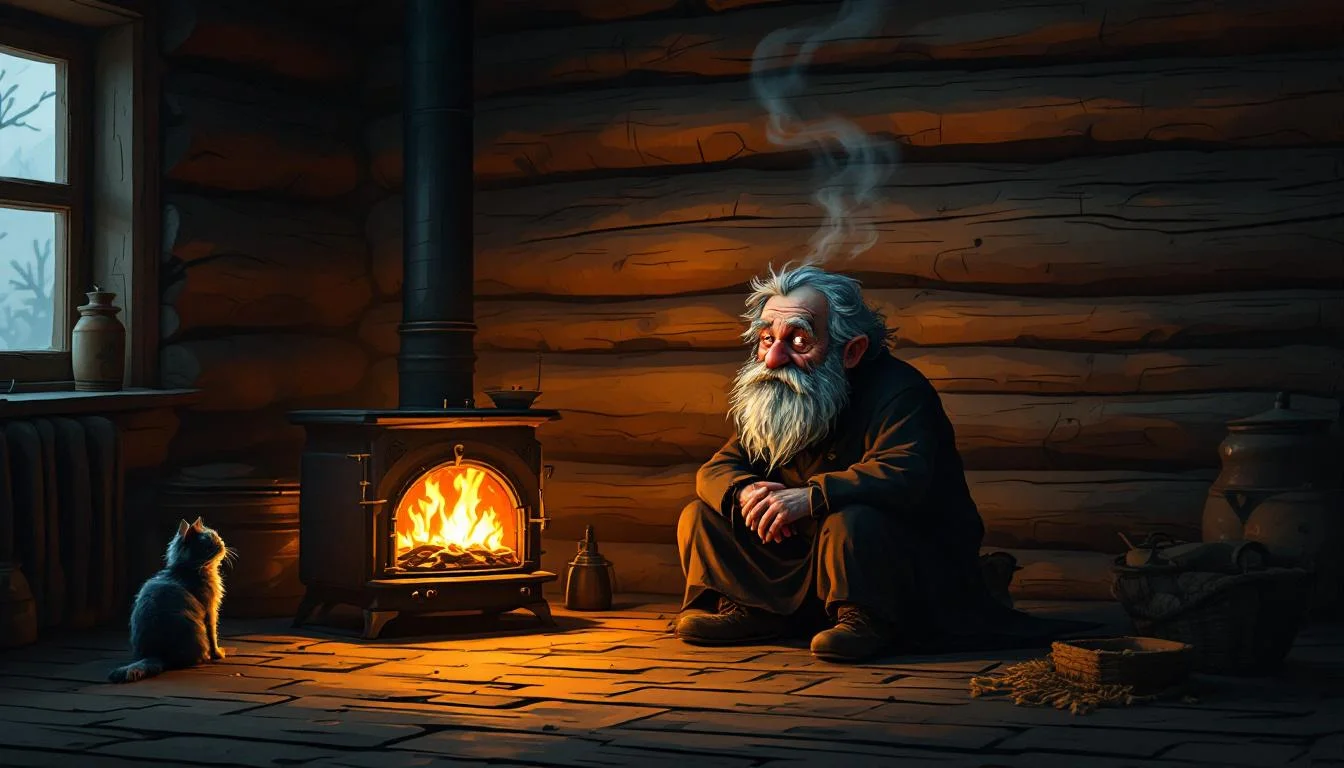
Every traditional Slavic home had a Domovoy — a house spirit who protected the family, guarded livestock, and punished the disrespectful. Meet the guardian behind the stove.
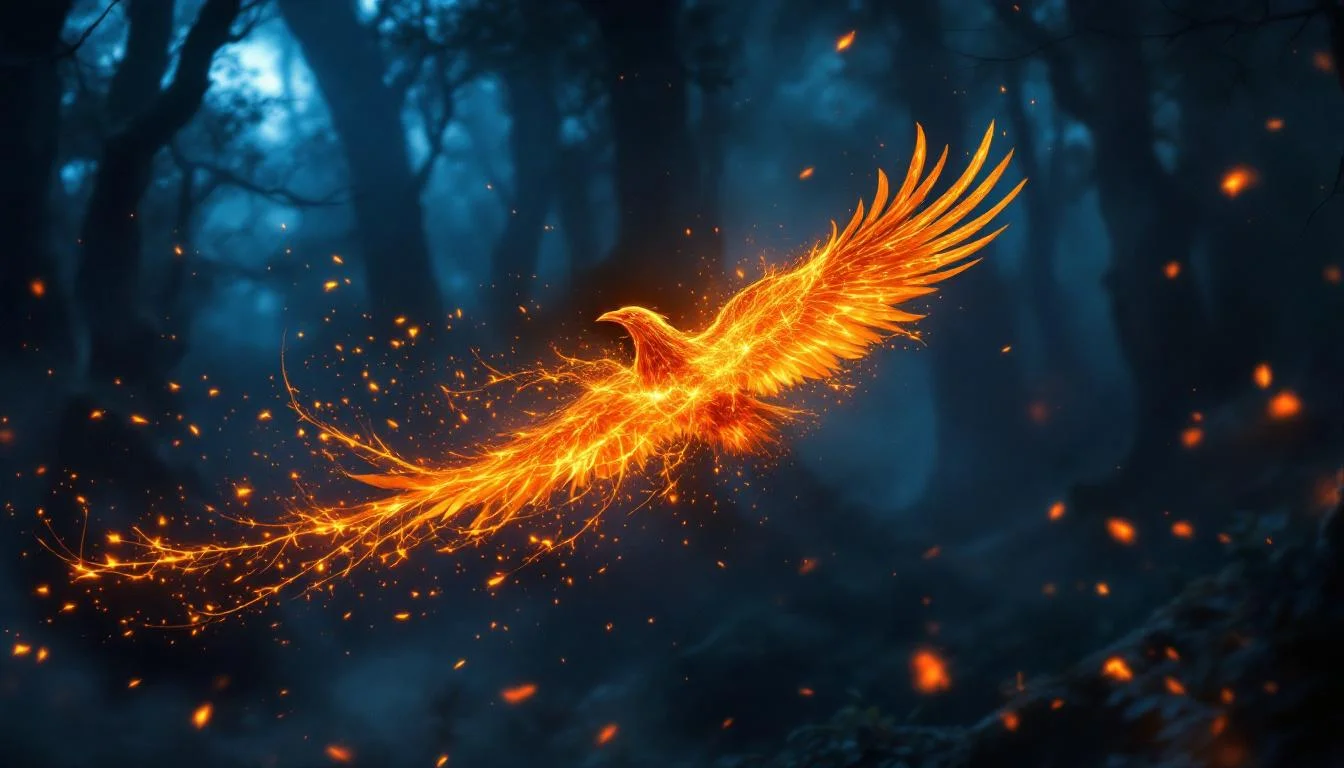
The Firebird's single feather can light a room — but pursuing it leads to madness, exile, and death. Discover why Slavic folklore's most beautiful creature is also its most dangerous.
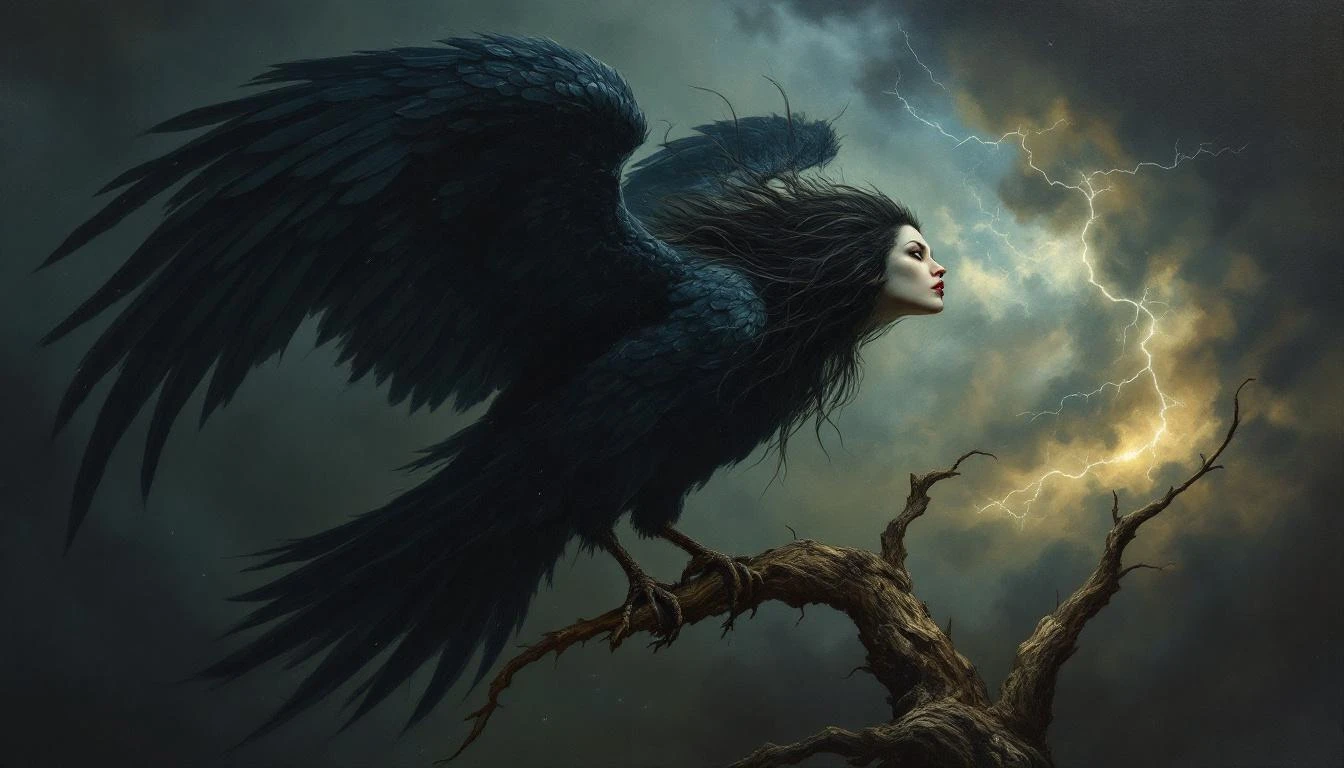
Gamayun knows how the world was made, how the gods were born, and how everything ends. But her knowledge comes at a price no mortal is prepared to pay.
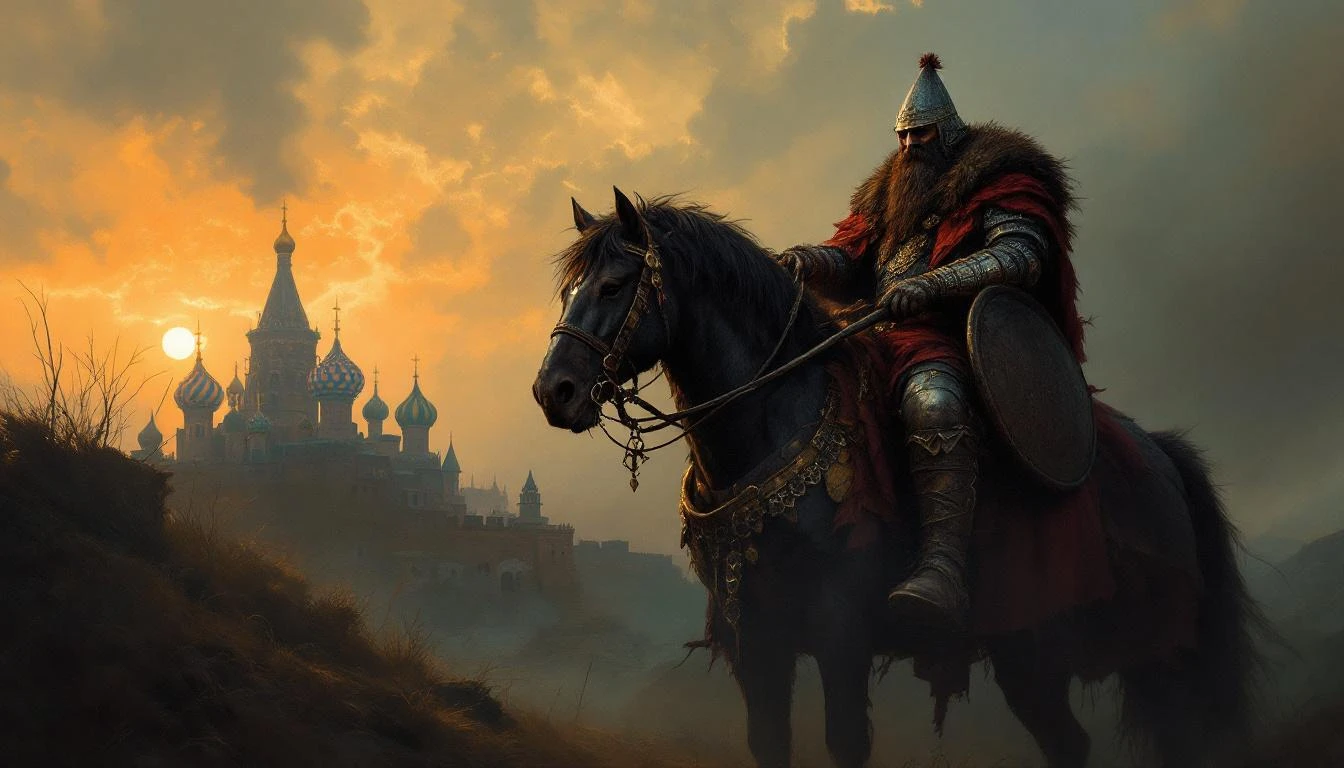
For thirty-three years he could not move from his stove. Then wandering pilgrims gave him the strength to uproot trees. The story of Ilya Muromets — peasant, bogatyr, and possibly a real man whose mummified body still lies in the caves of Kyiv.
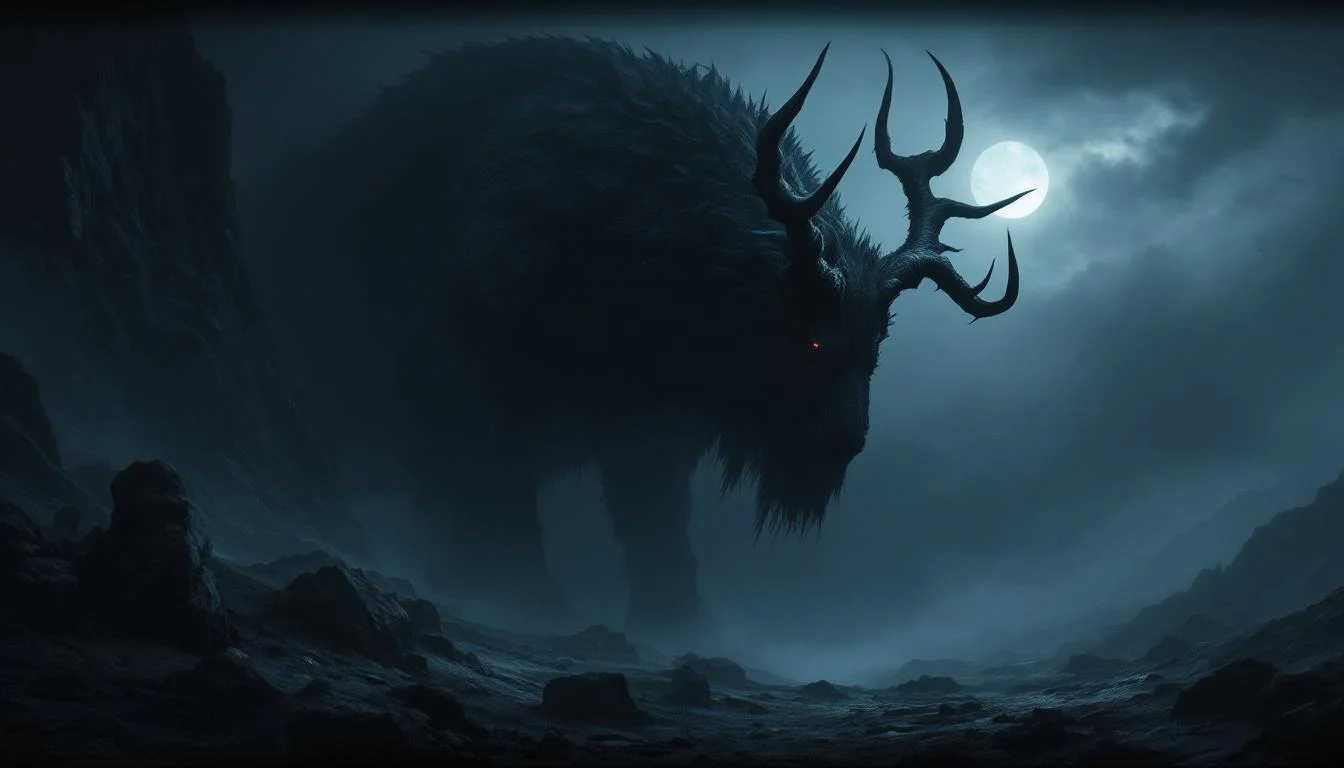
The Indrik-Beast rules all creatures from beneath the earth, splits stone with its horn to birth rivers, and shakes the ground when it stirs. Meet the strangest king in Slavic mythology.
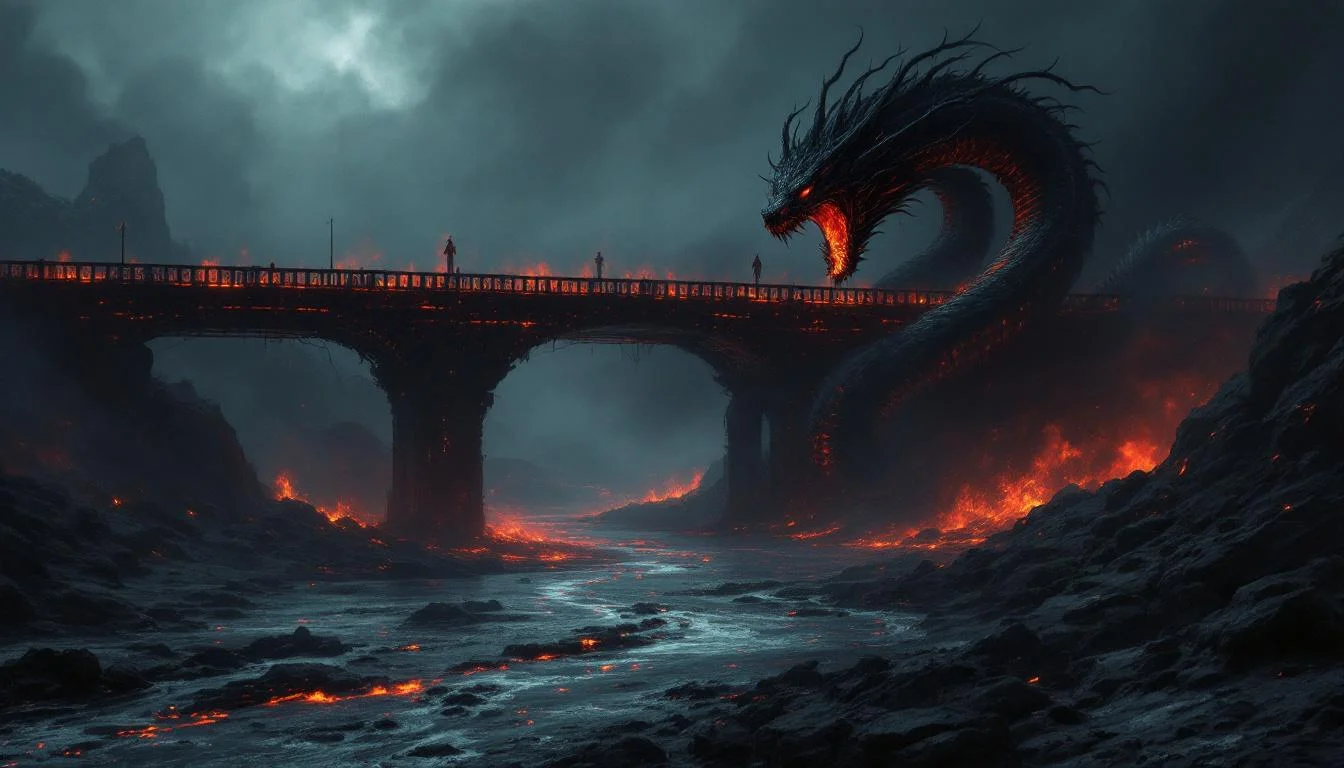
The Kalinov Bridge spans the river Smorodina — a torrent of fire separating the living world from the dead. In Slavic myth, every soul must cross it, and something with many heads is waiting on the other side.
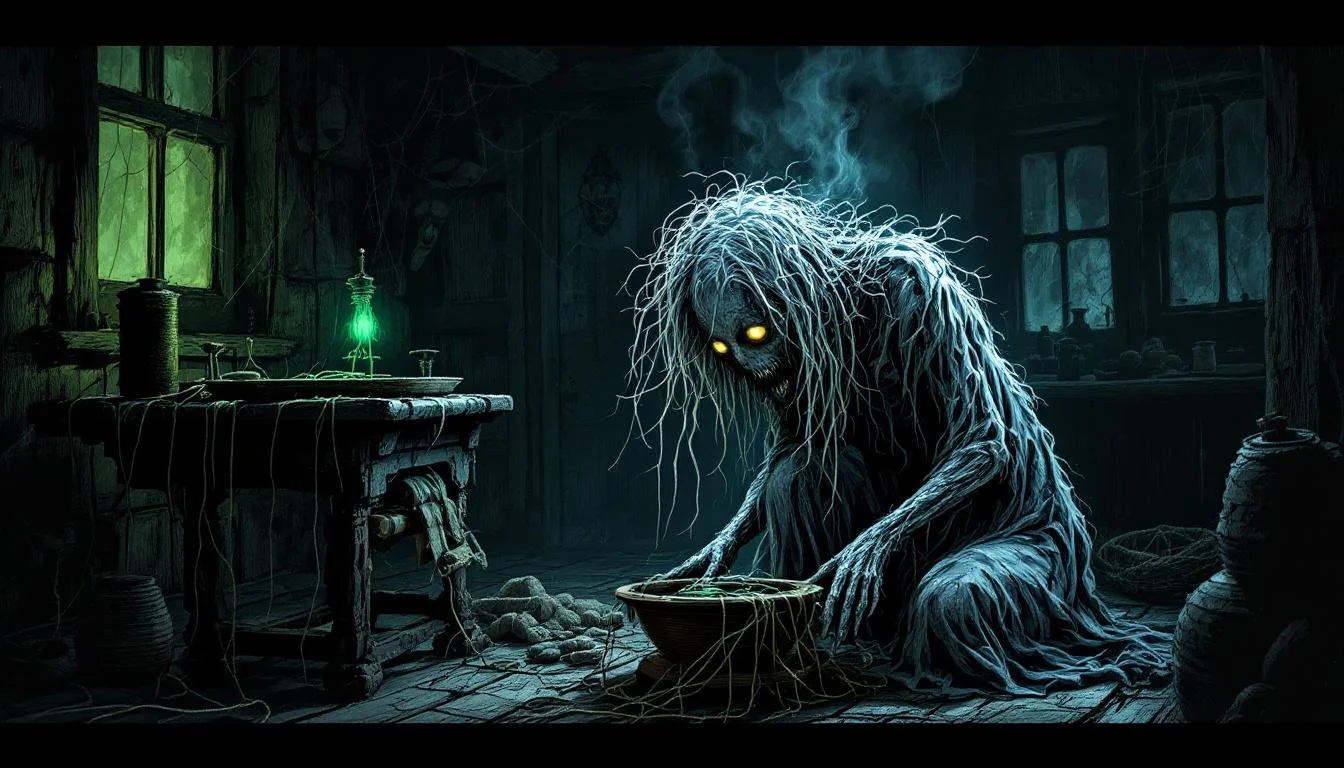
The Kikimora spins thread at night, tangles your hair, and suffocates sleepers. She's the dark counterpart to the Domovoy. Discover the most feared house spirit in Slavic folklore.
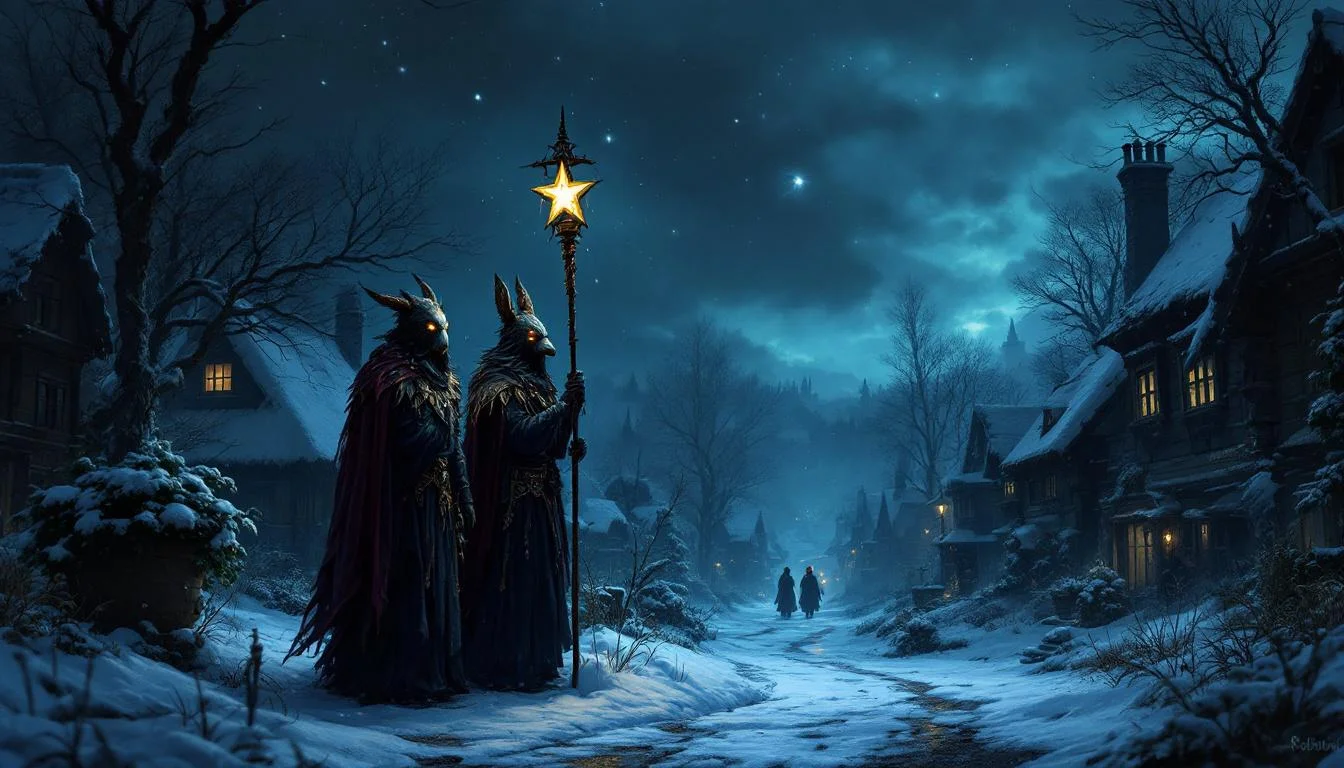
Long before Christmas trees and midnight mass, the Slavs celebrated the rebirth of the sun with bonfires, masked processions, and door-to-door carols that carried the force of incantations. Kolyada is the ritual that Christianity absorbed but never replaced.

Koschei the Deathless is Slavic mythology's most cunning villain. Discover how his soul is hidden inside a needle, inside an egg, inside a duck. Read the full dark lore.
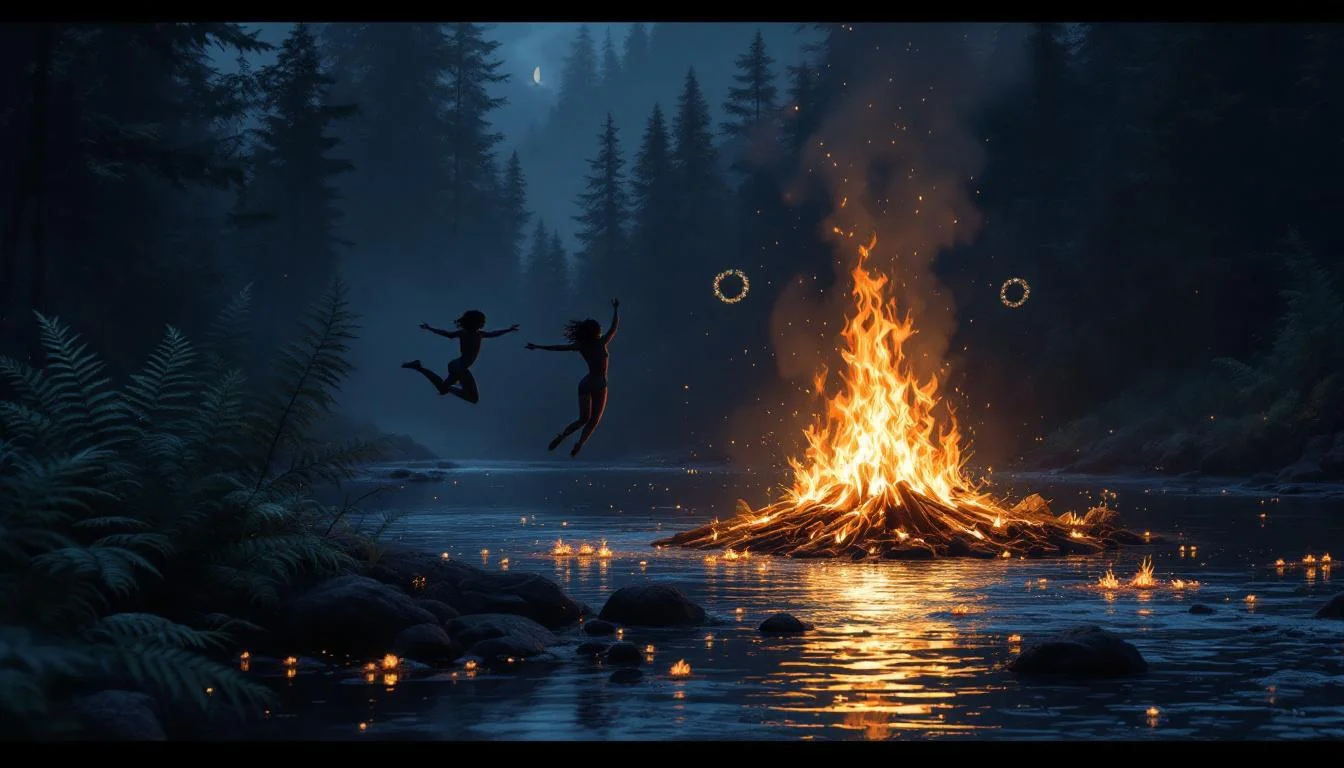
On the shortest night of the year, the Slavs lit bonfires, jumped flames, and searched for a flower that never blooms. Kupala Night is the wildest pagan ritual that still survives.
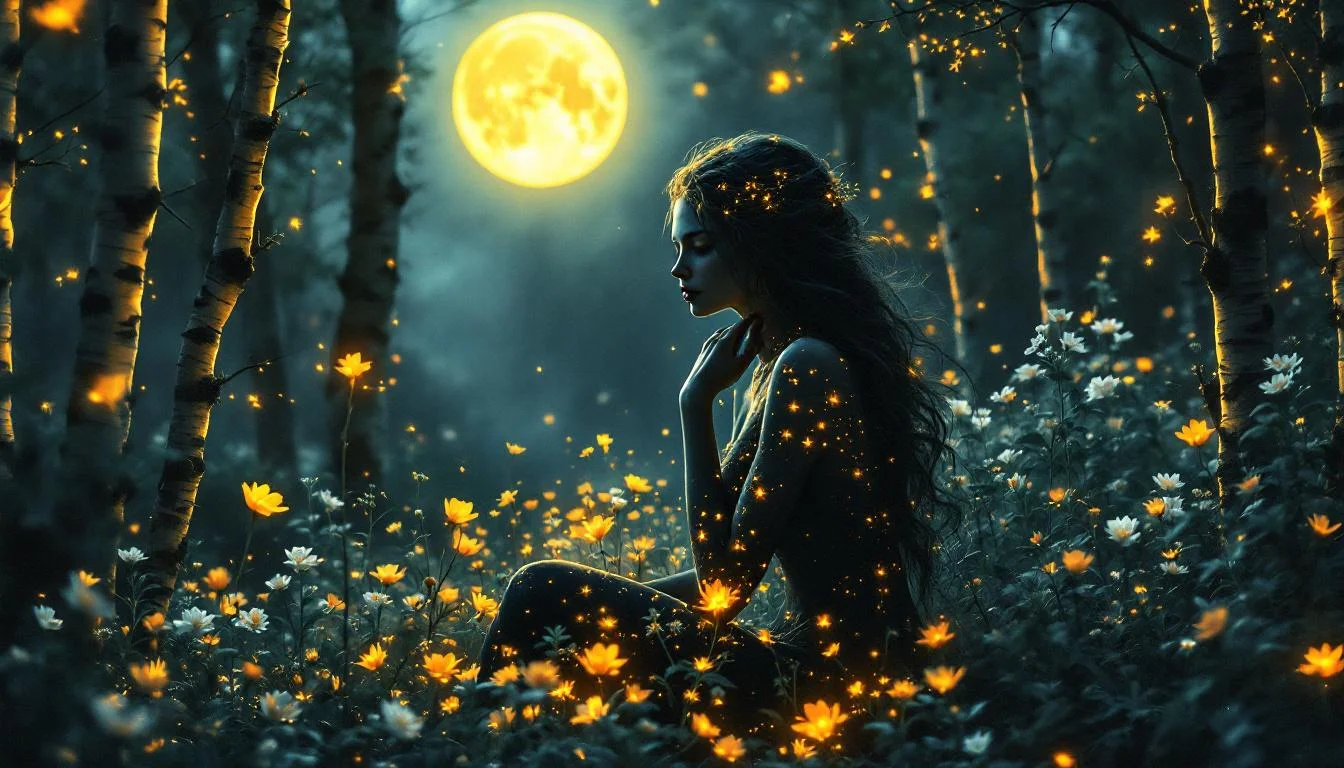
Was Lada the Slavic Aphrodite — or did medieval monks invent her from a song refrain they didn't understand? The most controversial deity in Slavic scholarship.
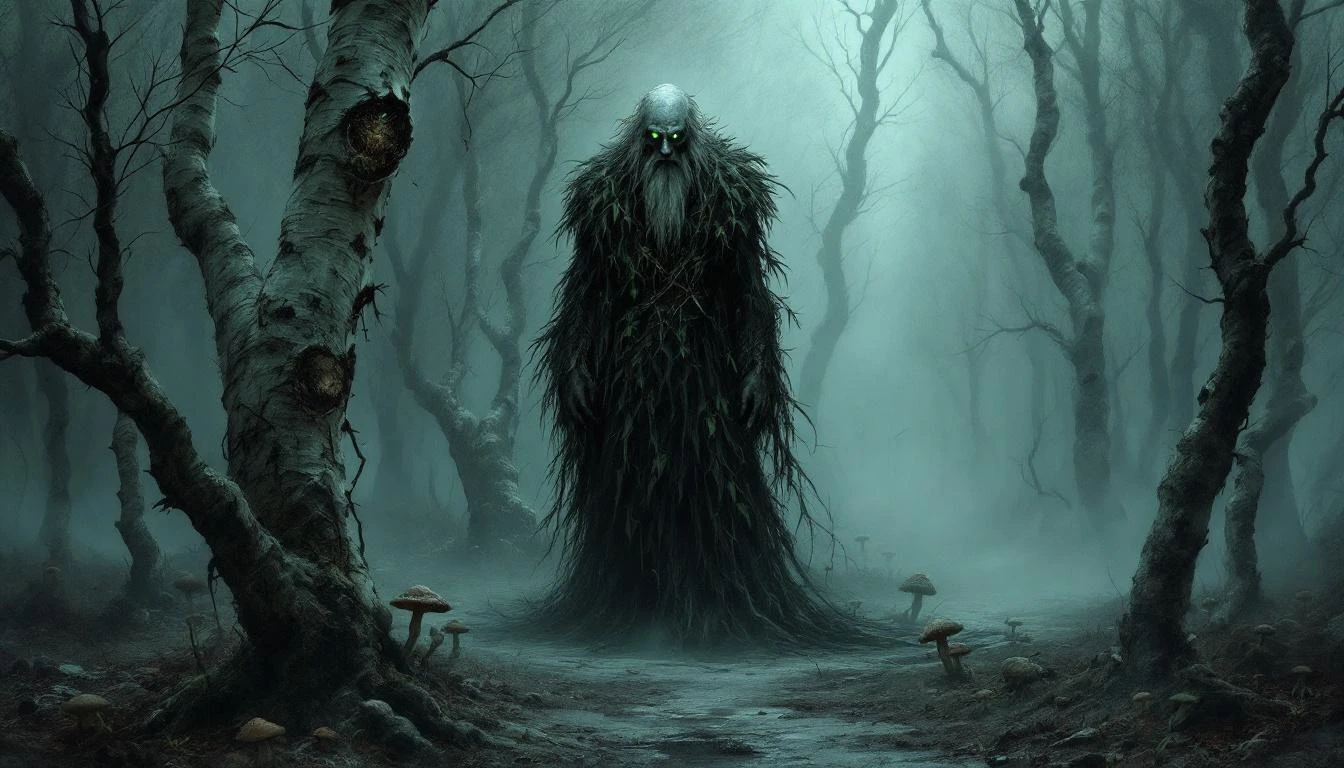
The Leshy is the undisputed master of the Slavic forest. Learn how this ancient spirit tricks, traps, and terrifies — and why the Witcher's Leshen barely scratches the surface.

Marya Morevna is the most powerful heroine in Slavic fairy tales — a warrior queen who led armies, imprisoned Koschei the Deathless, and was undone not by her own weakness but by her husband's. Discover the full dark lore.
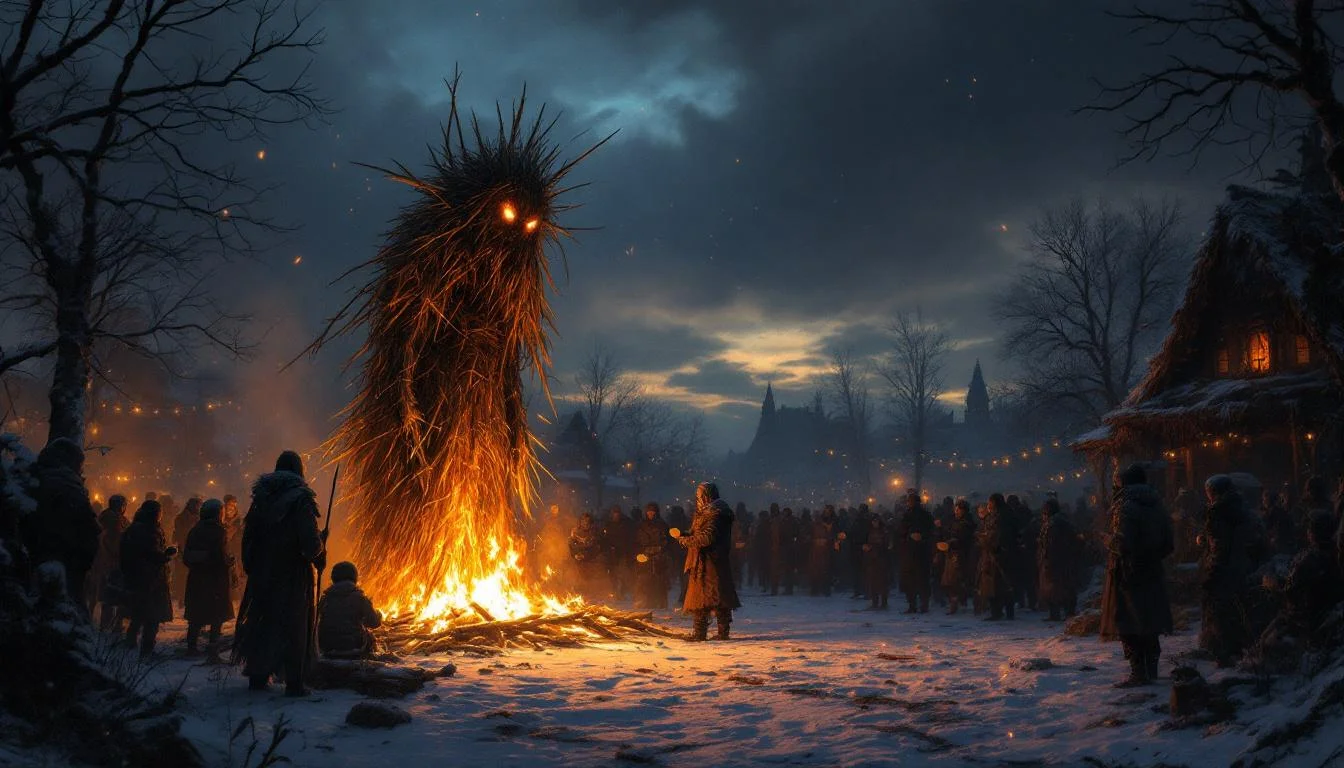
A week of pancakes, bonfires, fistfights, and the burning of a straw goddess. Maslenitsa is the oldest surviving Slavic festival — a pagan farewell to winter that the Orthodox Church absorbed but never tamed.
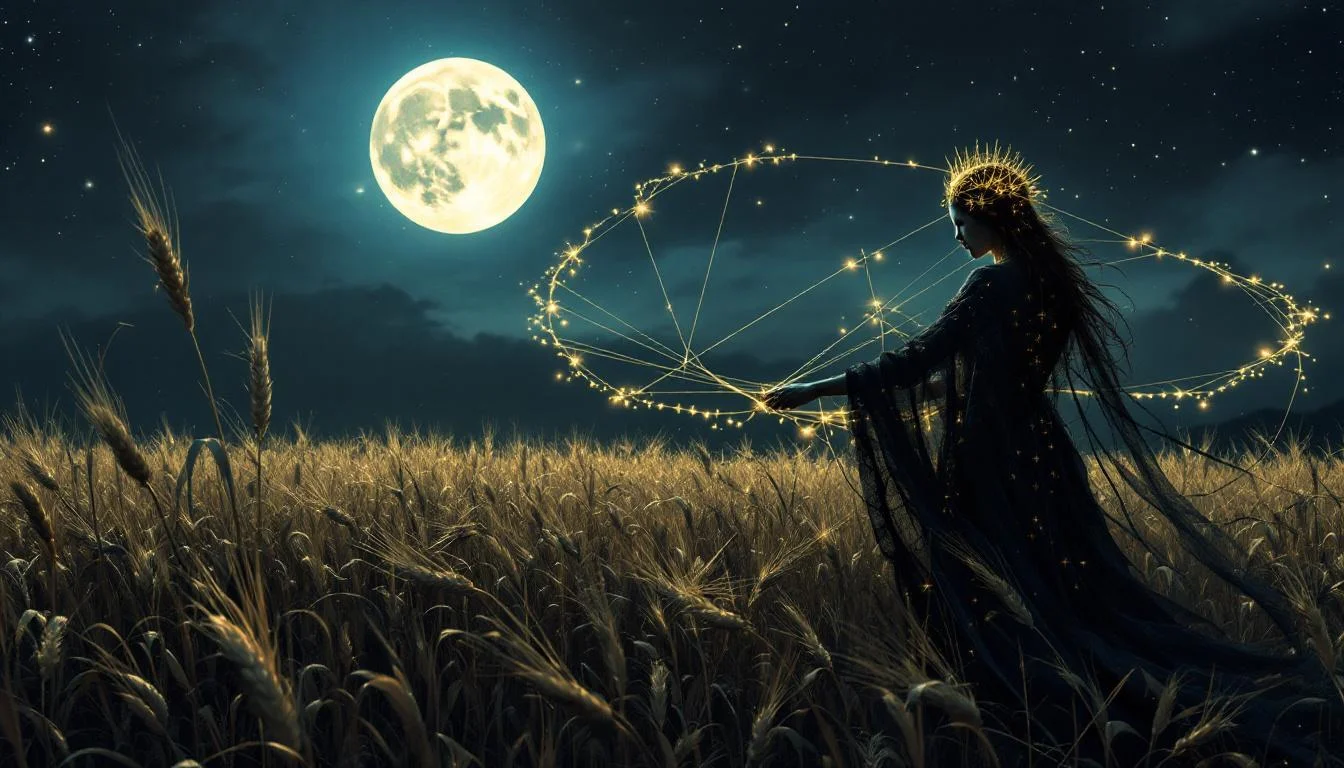
Mokosh was the only goddess in Vladimir's pantheon — and the only Slavic deity whose worship survived centuries of Christianity. Discover the indestructible mother goddess.
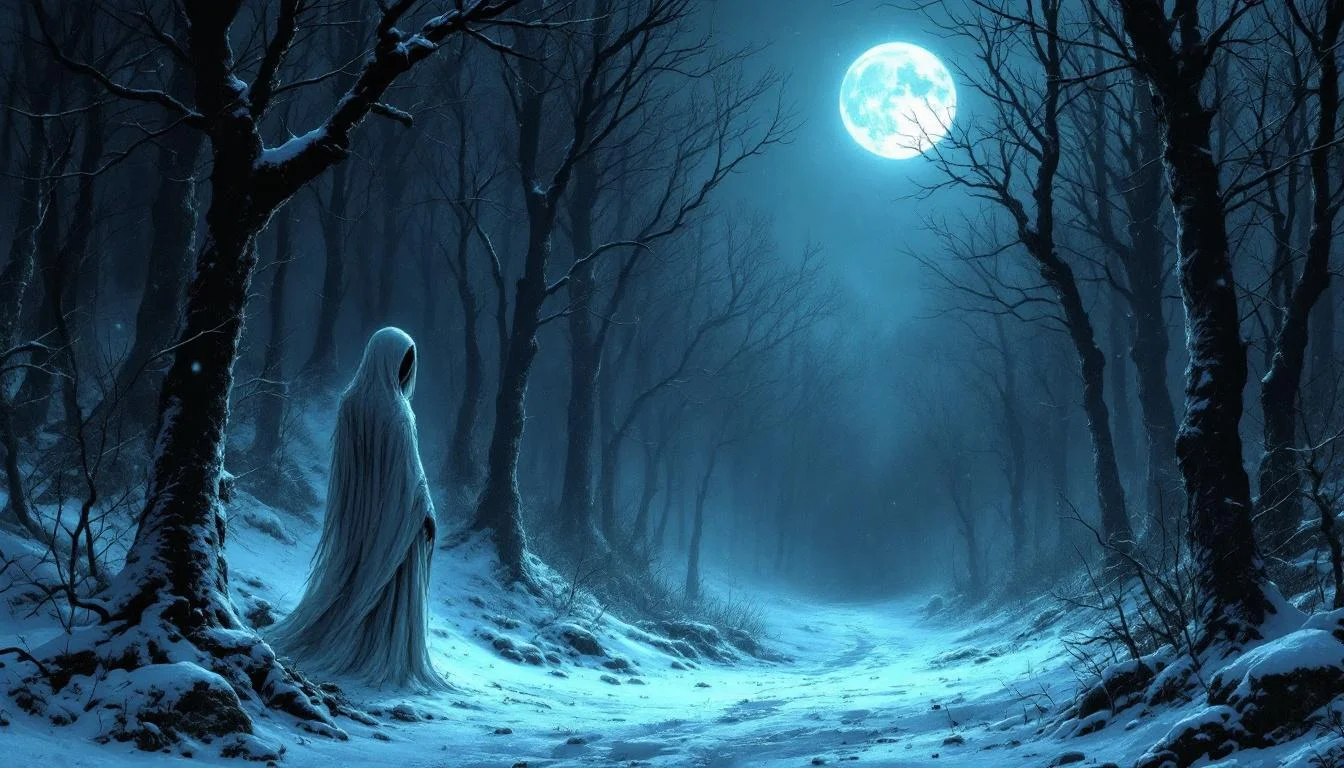
Every spring, the Slavs drown and burn an effigy of Morana — goddess of winter, death, and nightmares. She dies so the world can live. Discover the darkest goddess in the pantheon.
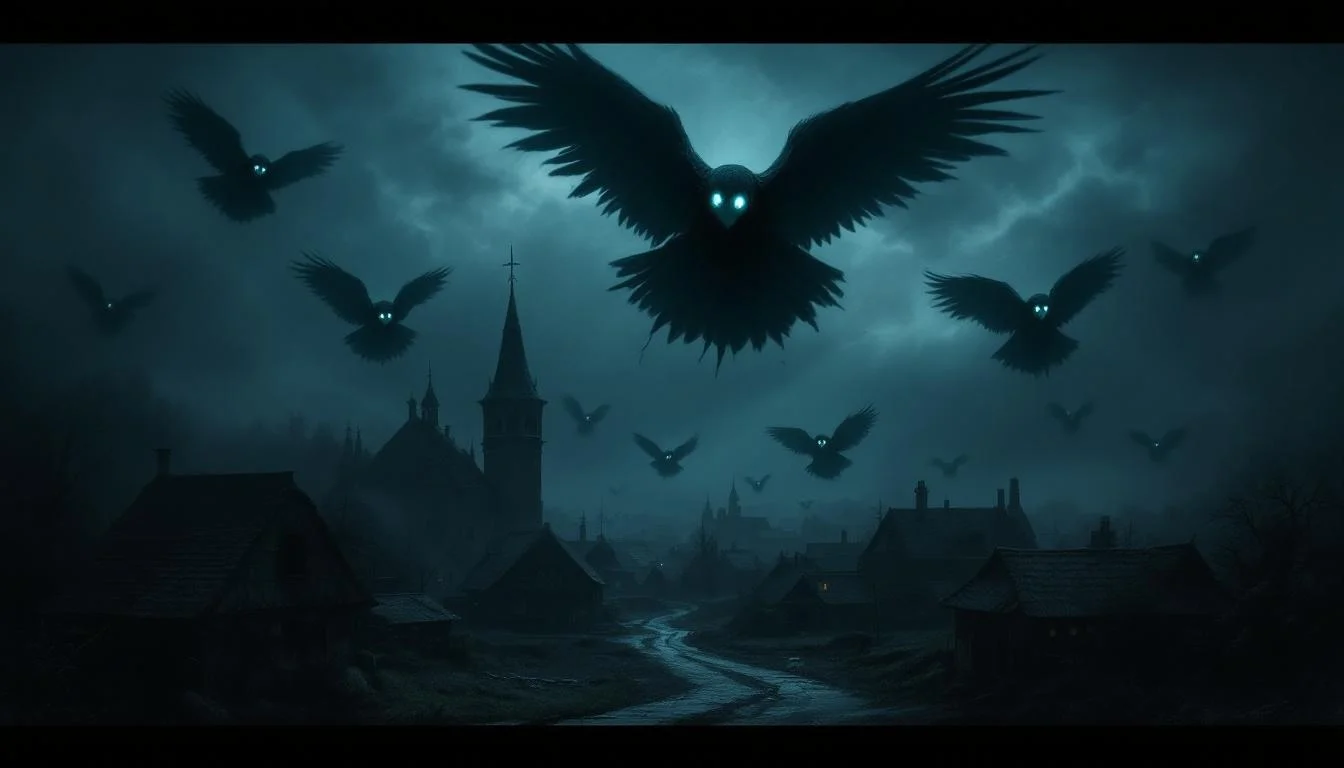
Navi are the spirits of those who died wrong — unbaptized infants, suicides, drowning victims. They return as black birds with infant faces, attacking the living. Discover the darkest category of Slavic undead.
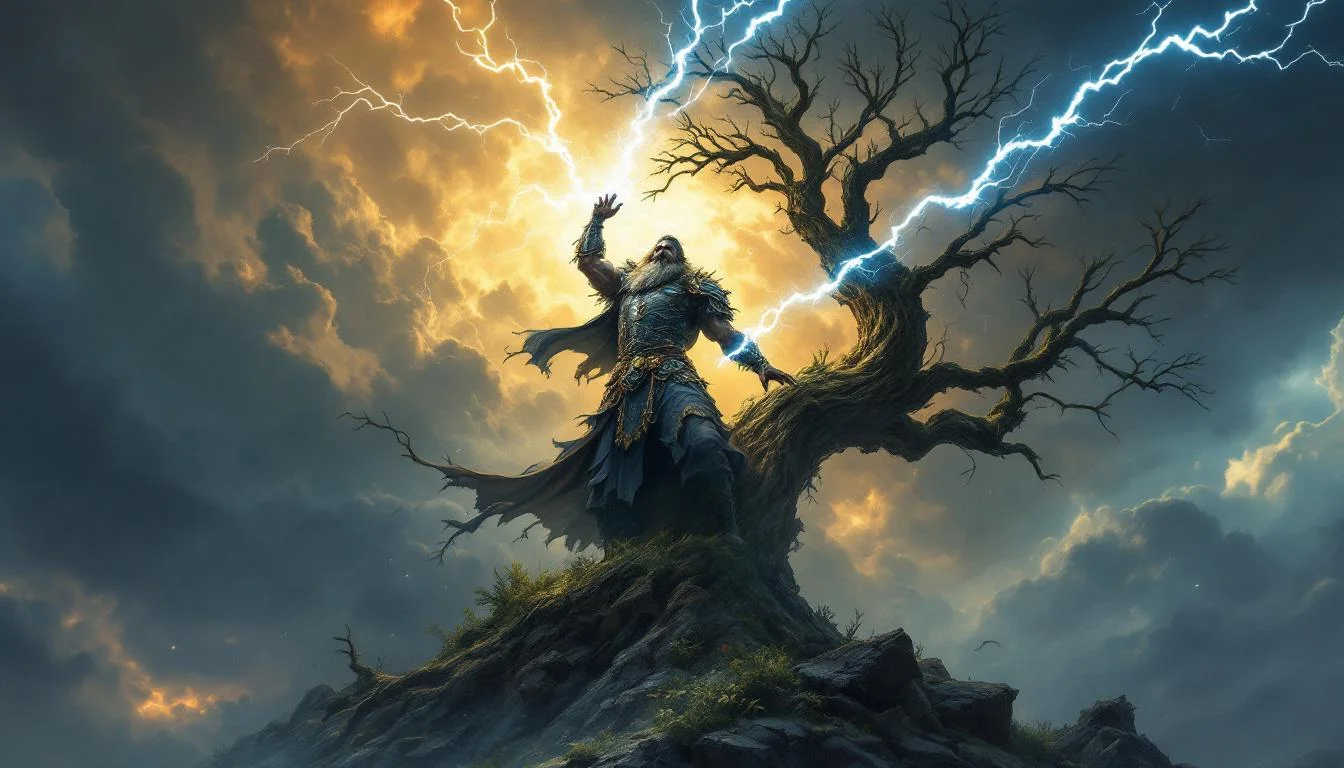
Perun was the supreme god of the Slavic pantheon — lord of thunder, lightning, and war. Discover how Prince Vladimir's idol was cast into the Dnieper, and why his memory survived.
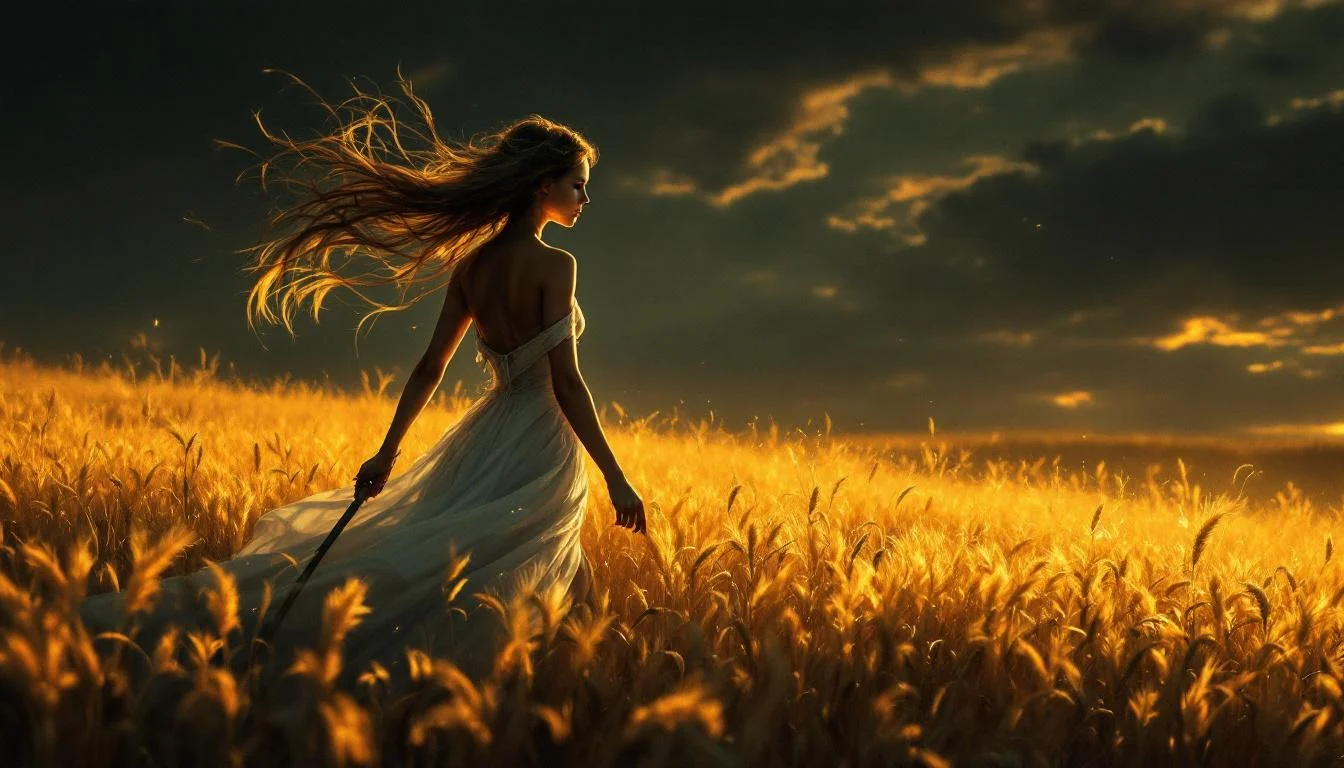
The Poludnitsa is the Slavic field spirit who appears at noon to interrogate farmers, drive them mad, or cut off their heads. Learn why the deadliest hour in Slavic mythology is not midnight — it is twelve o'clock under a blazing sun.
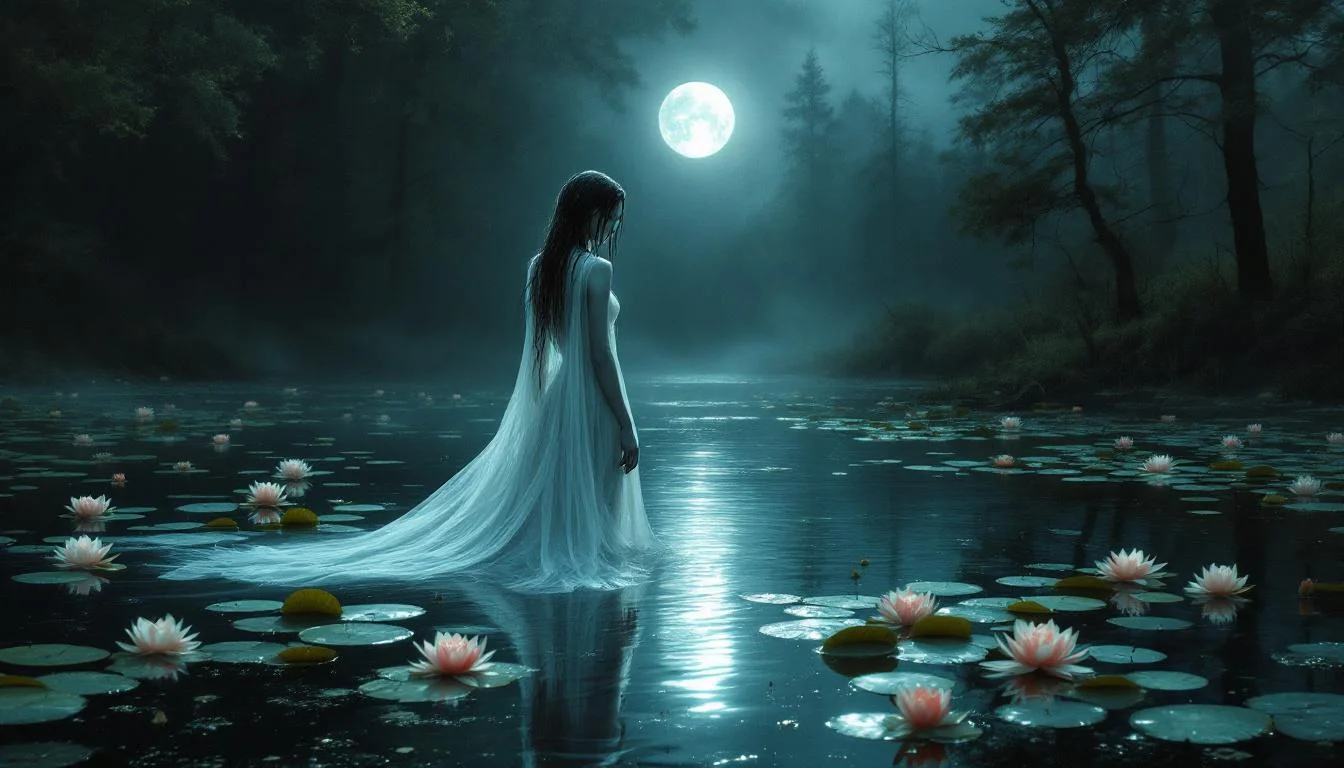
Rusalki are not mermaids. They are the vengeful spirits of women who died by drowning or violence. Discover the dark truth behind Slavic mythology's most tragic spirits.
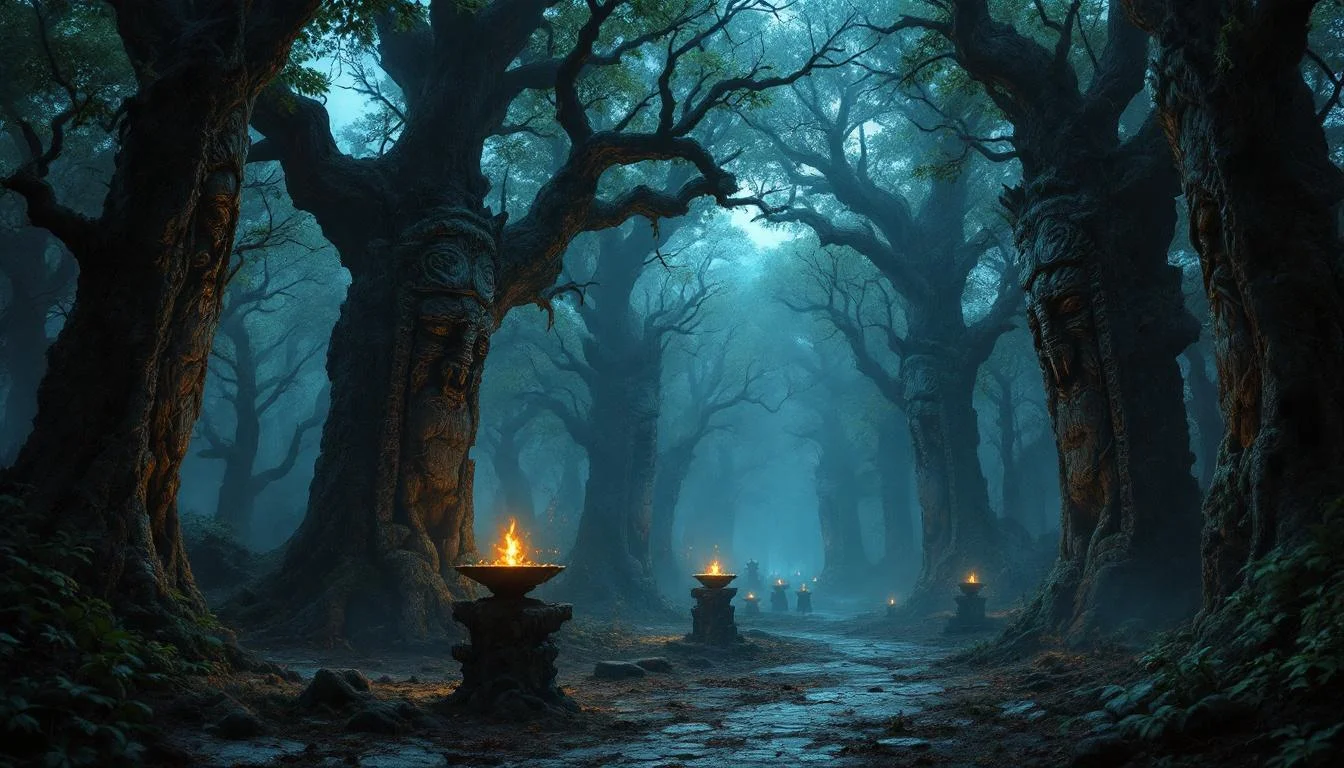
The Slavs built no grand temples — they worshipped in forest clearings, on hilltops, and beneath ancient oaks. Discover the sacred groves, ritual sites, and lost temples of Slavic paganism.
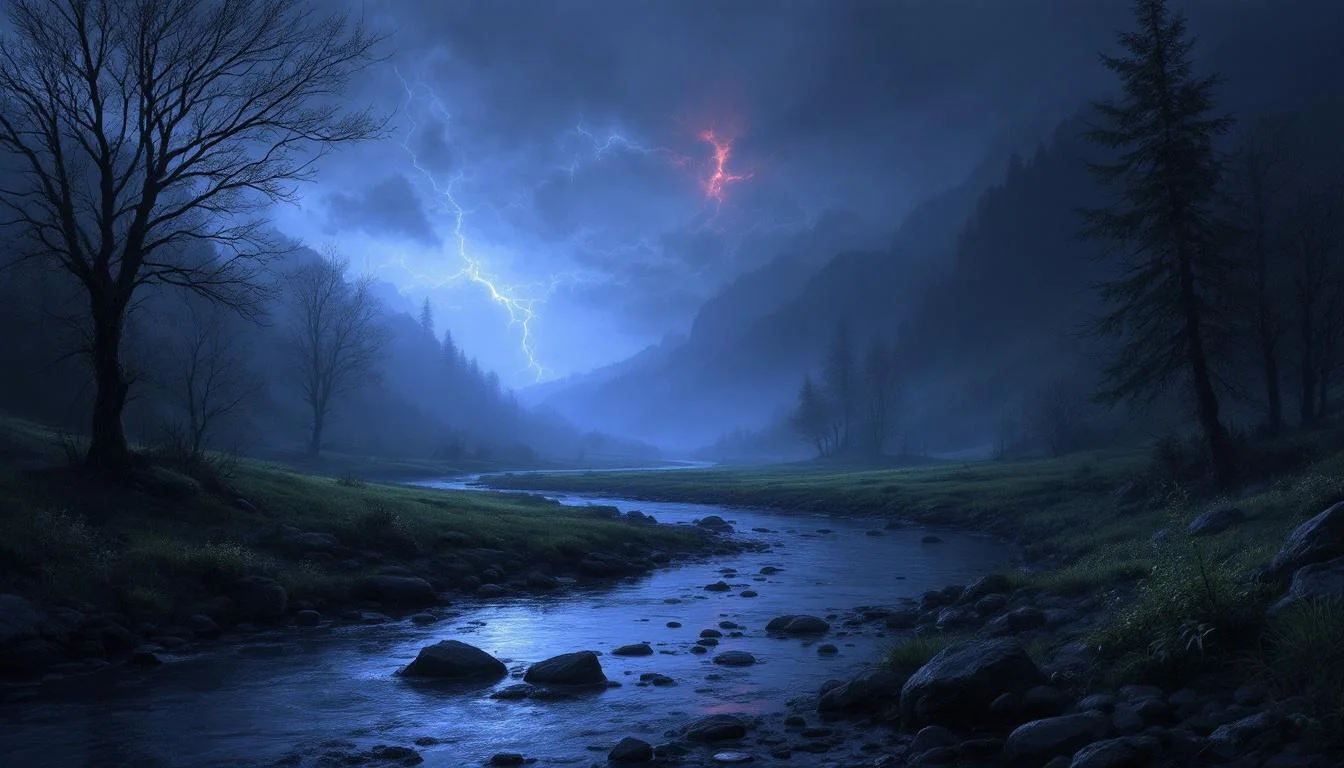
The Slavic afterlife had no heaven or hell — only Nav, the realm of the dead ruled by Veles, and Iriy, a paradise where birds fly in winter and souls rest in summer. How you died determined everything.
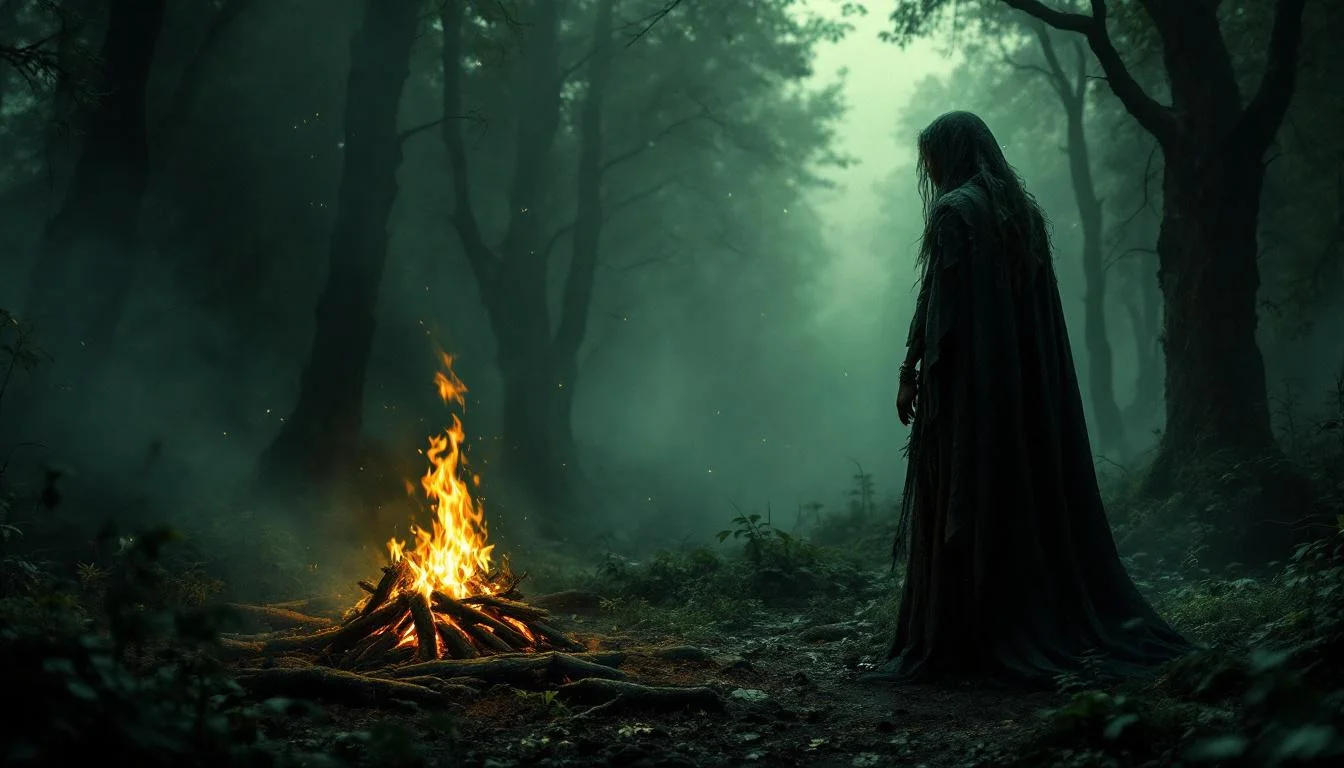
Slavic magic was not fantasy. It was a working system of spoken charms, herbal knowledge, protective rites, and curse-breaking that governed village life for centuries. Here is how it actually functioned.
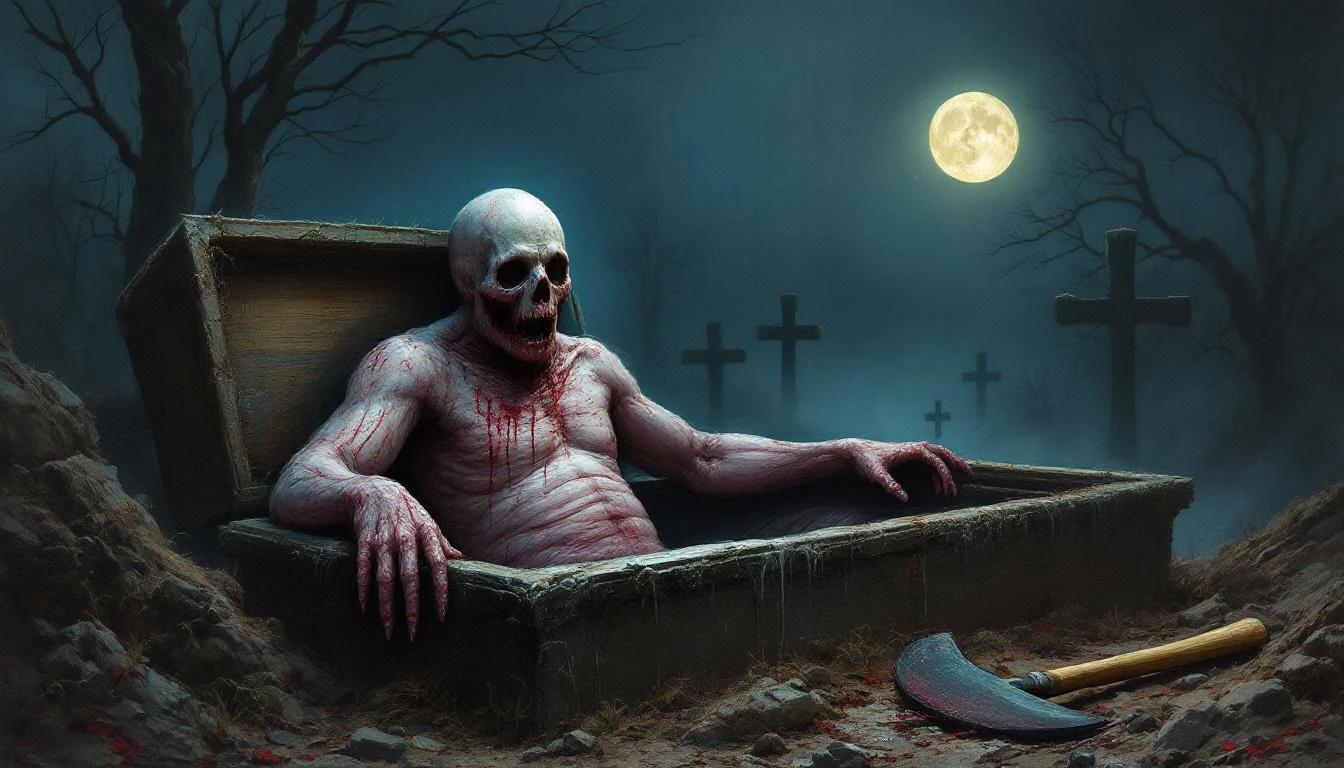
Western vampires are fiction. Slavic vampires were real belief. Discover the Upyr — the blood-drinking undead that terrified Eastern Europe centuries before Bram Stoker.
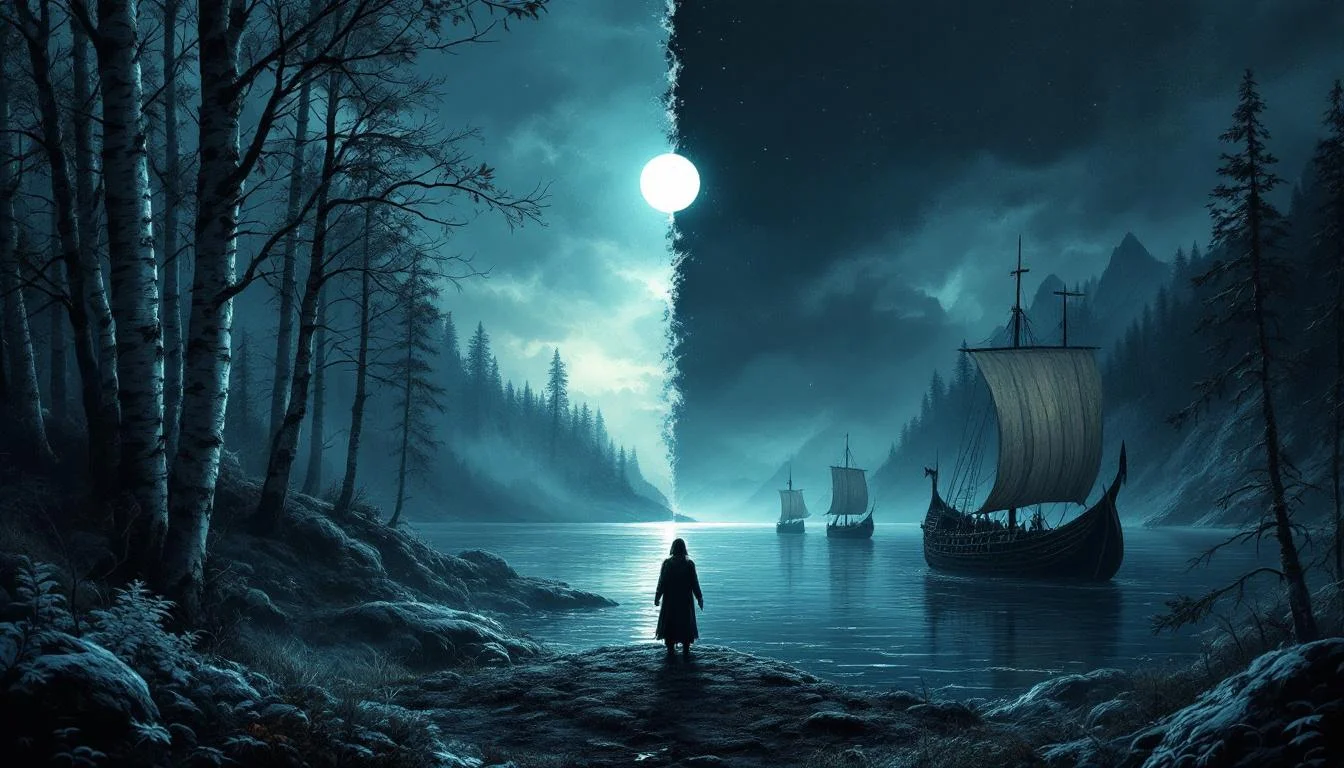
Slavic and Norse mythology grew from the same Proto-Indo-European root — yet one became world-famous and the other nearly vanished. Discover the shared gods, world trees, and the reasons behind the divide.
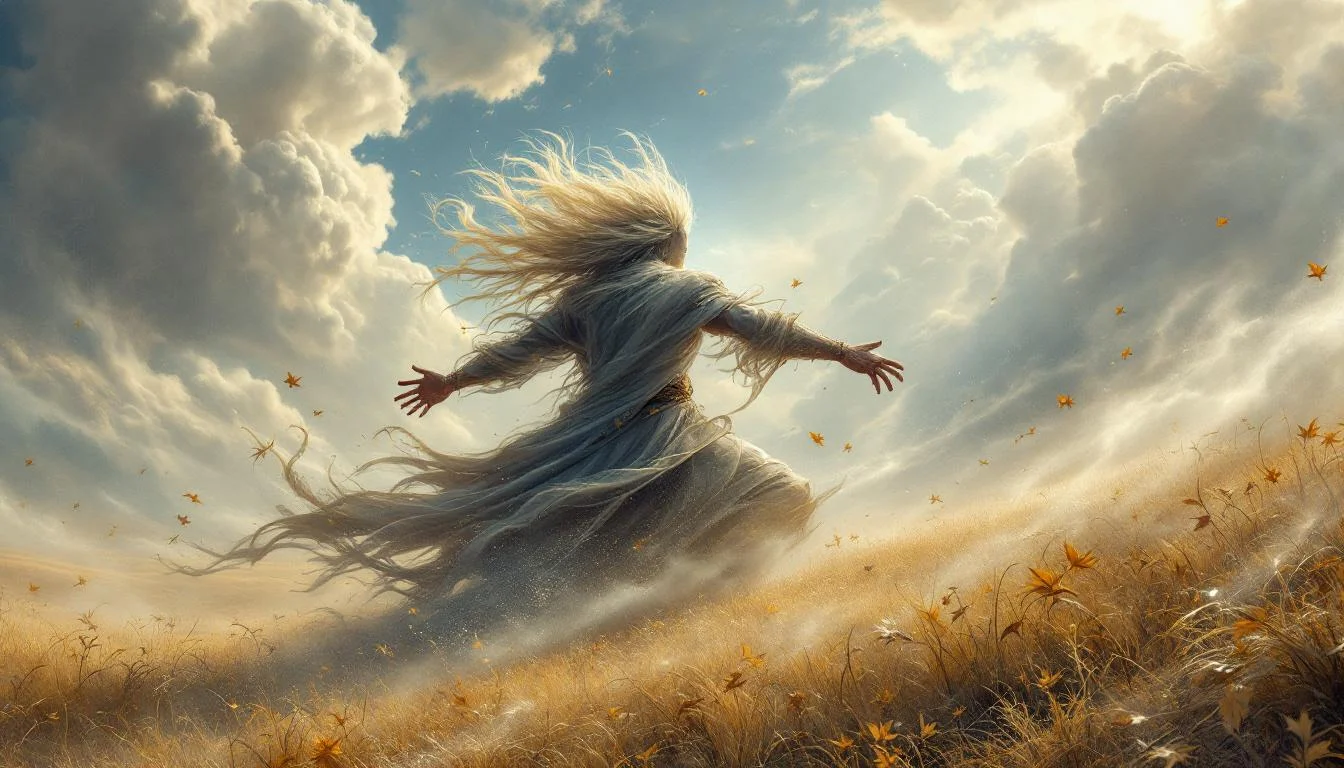
Stribog stood among Vladimir's six gods on a Kyiv hilltop and fathered every wind that blows. Yet almost nothing about him survives. Here is what the sources say — and what the silence means.

The Striga from The Witcher is based on real Slavic folklore. Born with two souls and two hearts, she hunts at night. Discover the terrifying truth behind the myth.
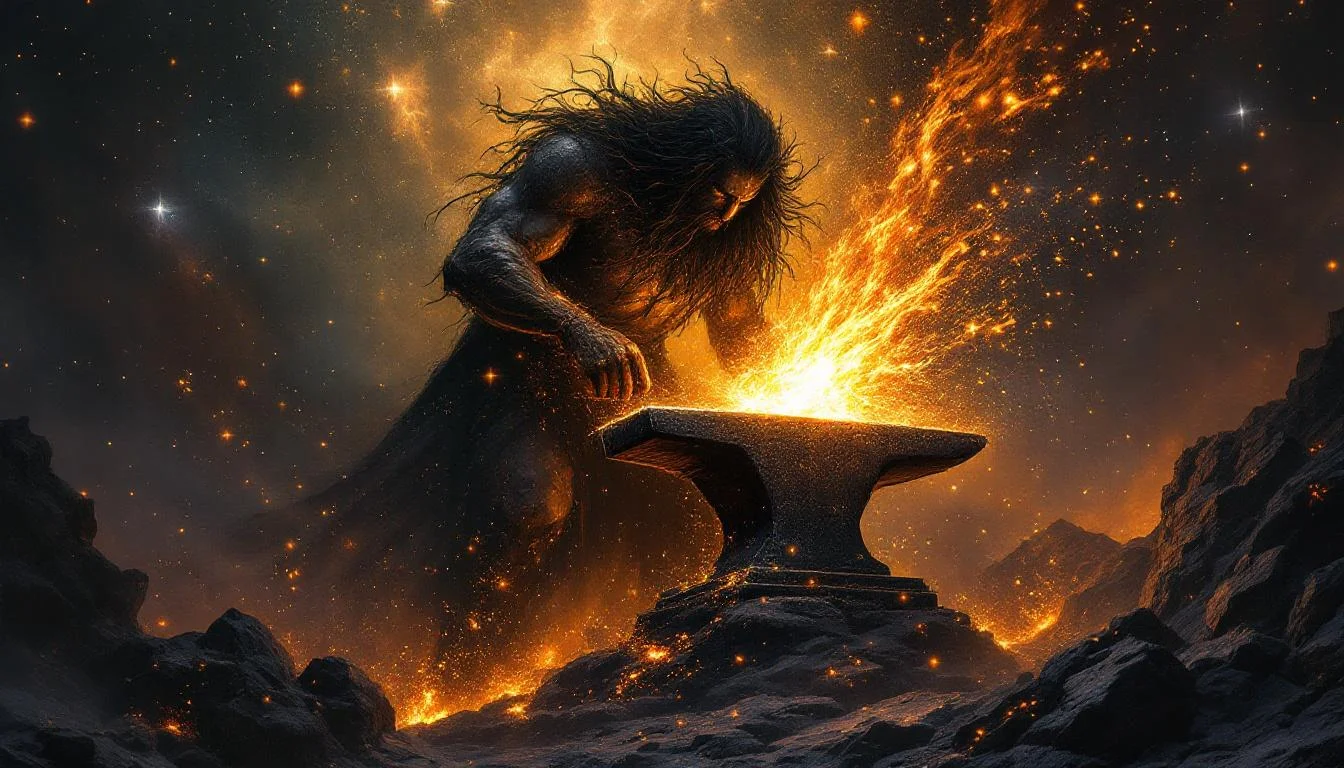
Svarog forged the sun and gave humanity fire, metalworking, and marriage. Meet the Slavic Hephaestus — the sky god whose sons lit the world.
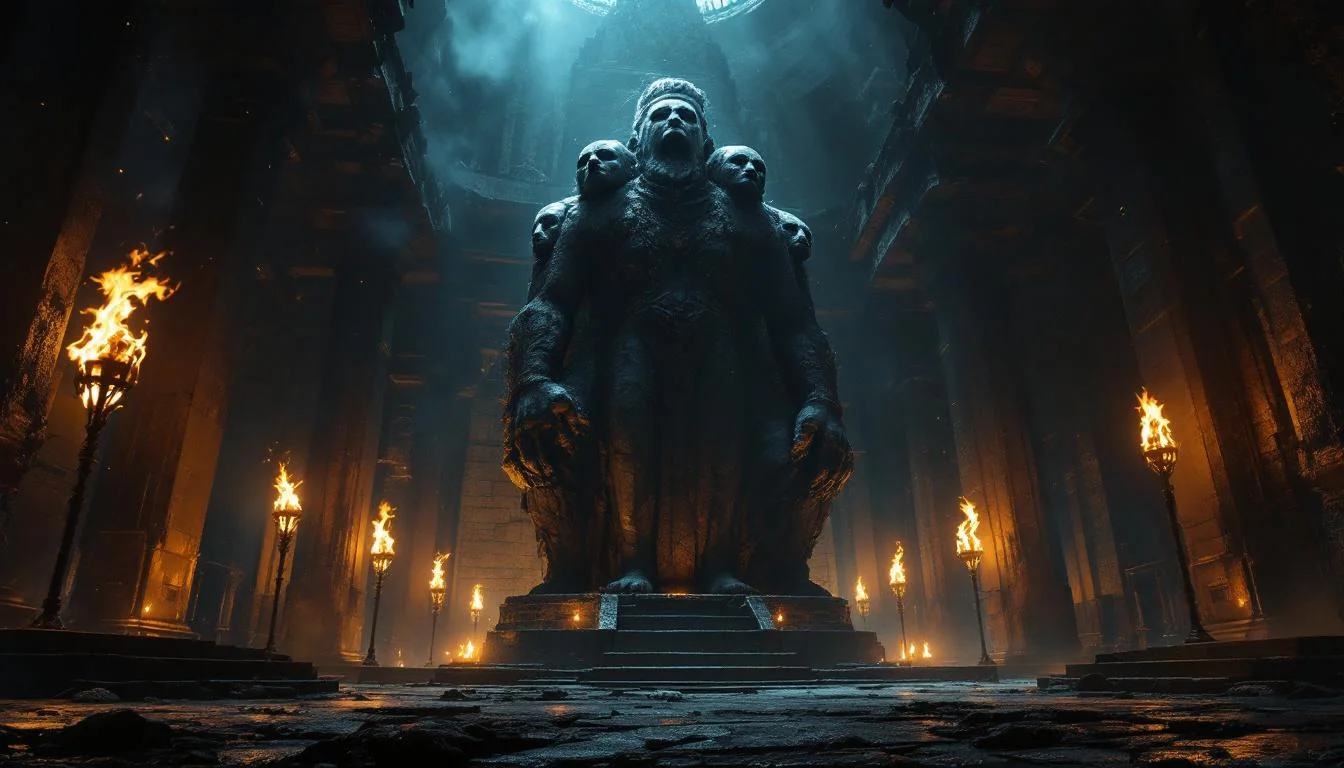
The temple at Arkona held the most documented deity in all of Slavic paganism — a four-headed colossus with a drinking horn and a white horse that foretold the future. Then the Danes came.
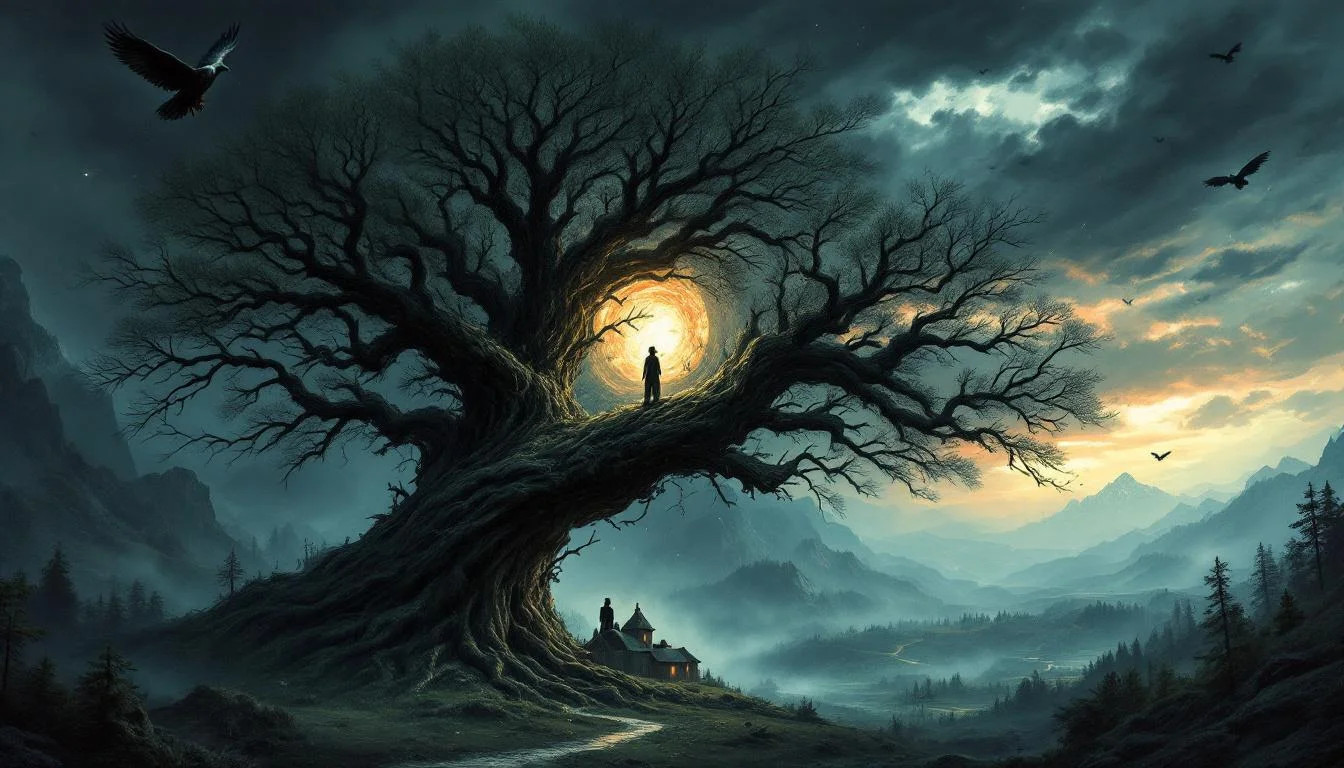
The Slavic universe has three layers: Yav (the living), Nav (the dead), and Prav (the divine). Connected by the World Tree, they explain everything from death to thunderstorms.
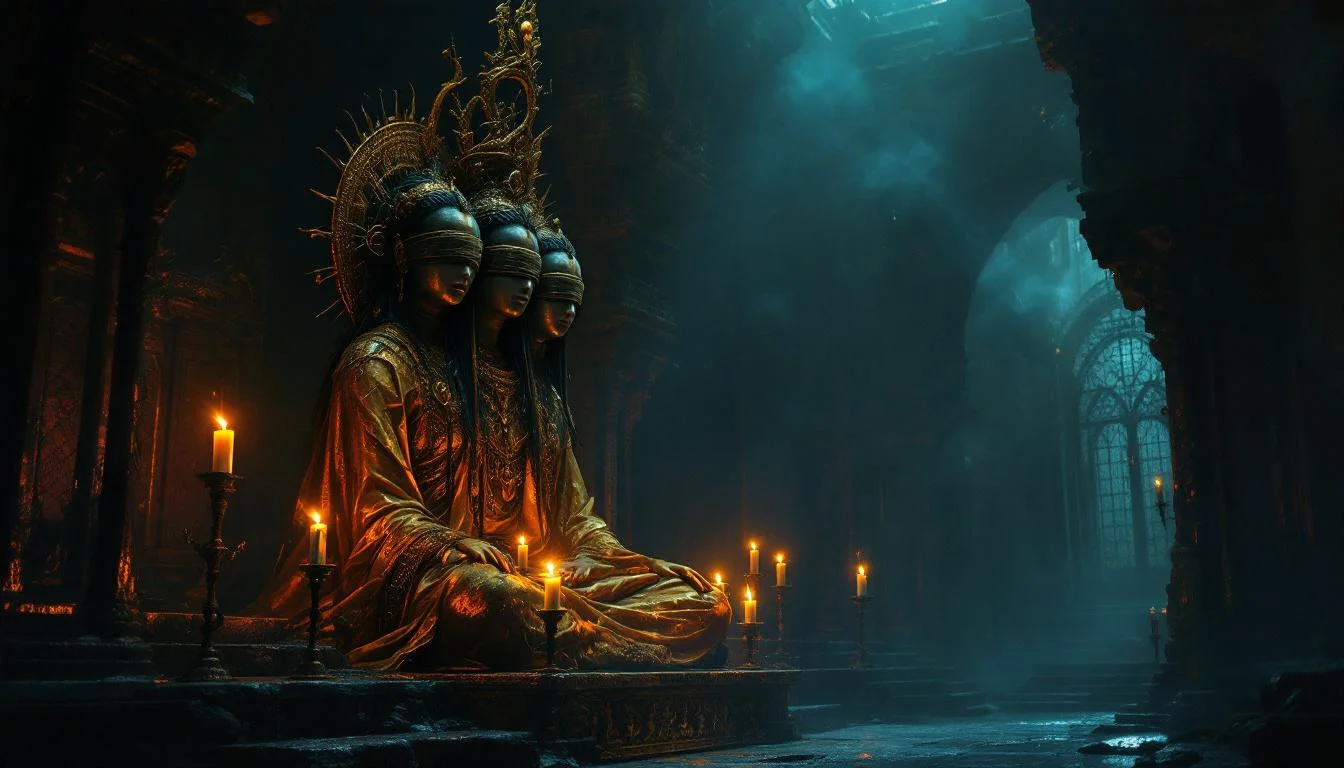
In Szczecin and Wolin, the Pomeranians worshipped a god with three heads and blindfolded eyes — a deity so sacred he was forbidden from seeing the mortal world. His black horse decided whether armies marched or stayed home. Then Otto of Bamberg arrived.
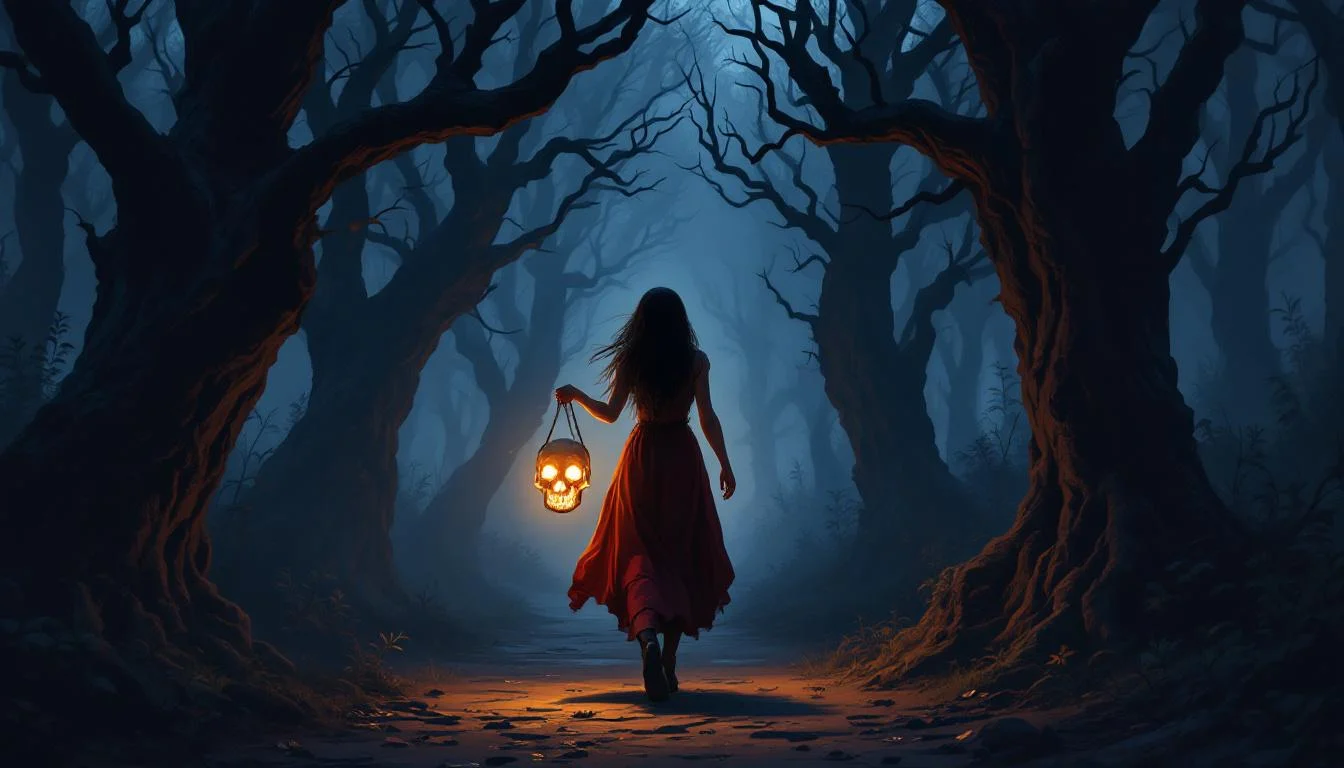
Before Cinderella, there was Vasilisa — a girl sent to fetch fire from Baba Yaga's hut of bones. Her weapon was not a glass slipper but a mother's dying gift: a doll that whispered in the dark.
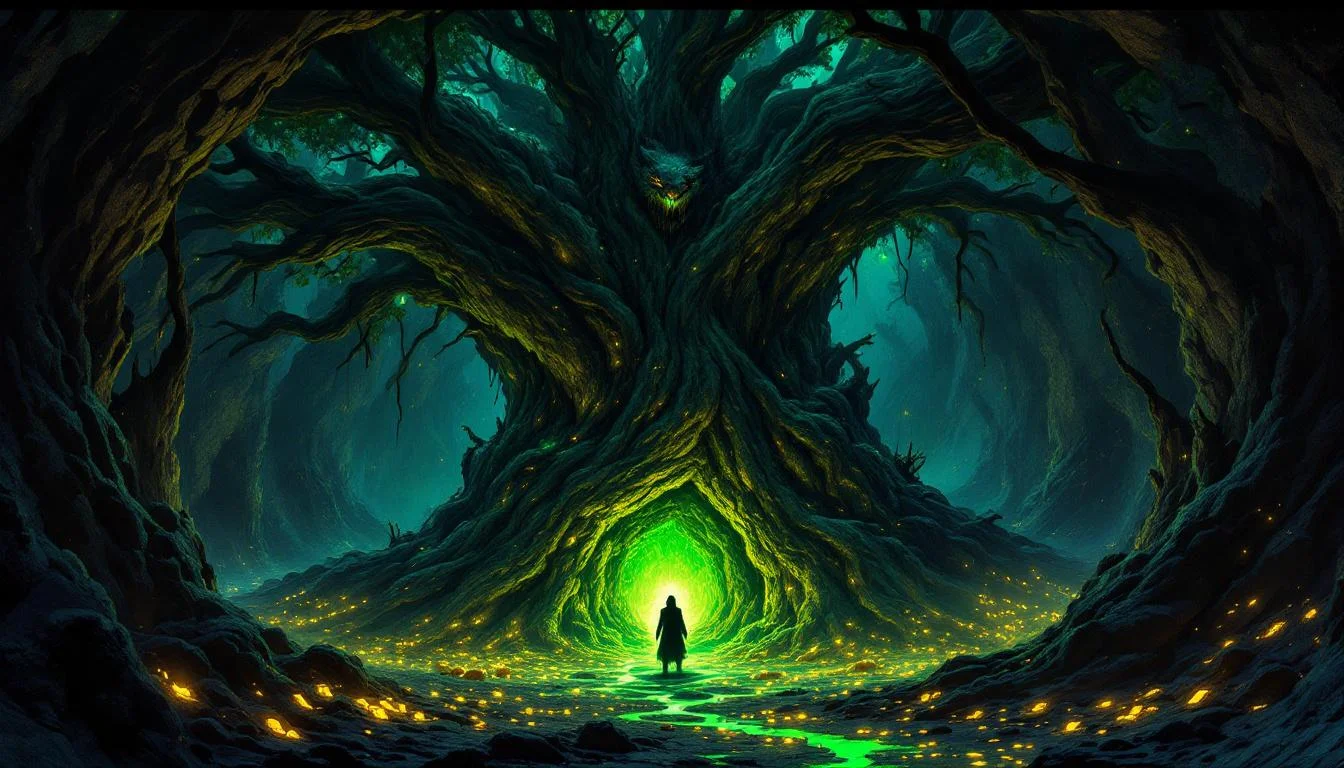
Veles rules the underworld, guards cattle and wealth, and wages eternal war against Perun. He is the most complex deity in Slavic mythology. Discover his dark domain.
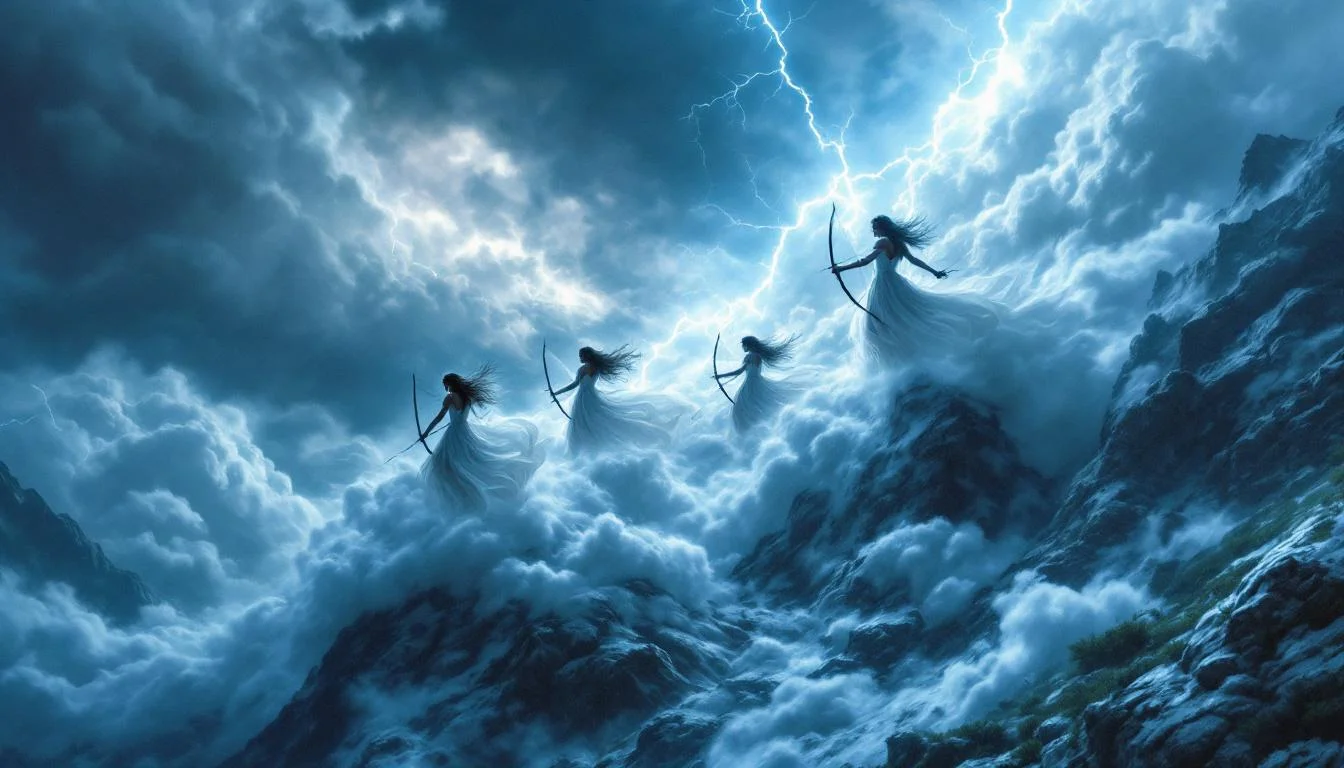
Vile are not gentle fairies. They are shape-shifting warrior spirits of the Balkans who ride storms, punish oath-breakers, and forge blood pacts with mortal heroes.
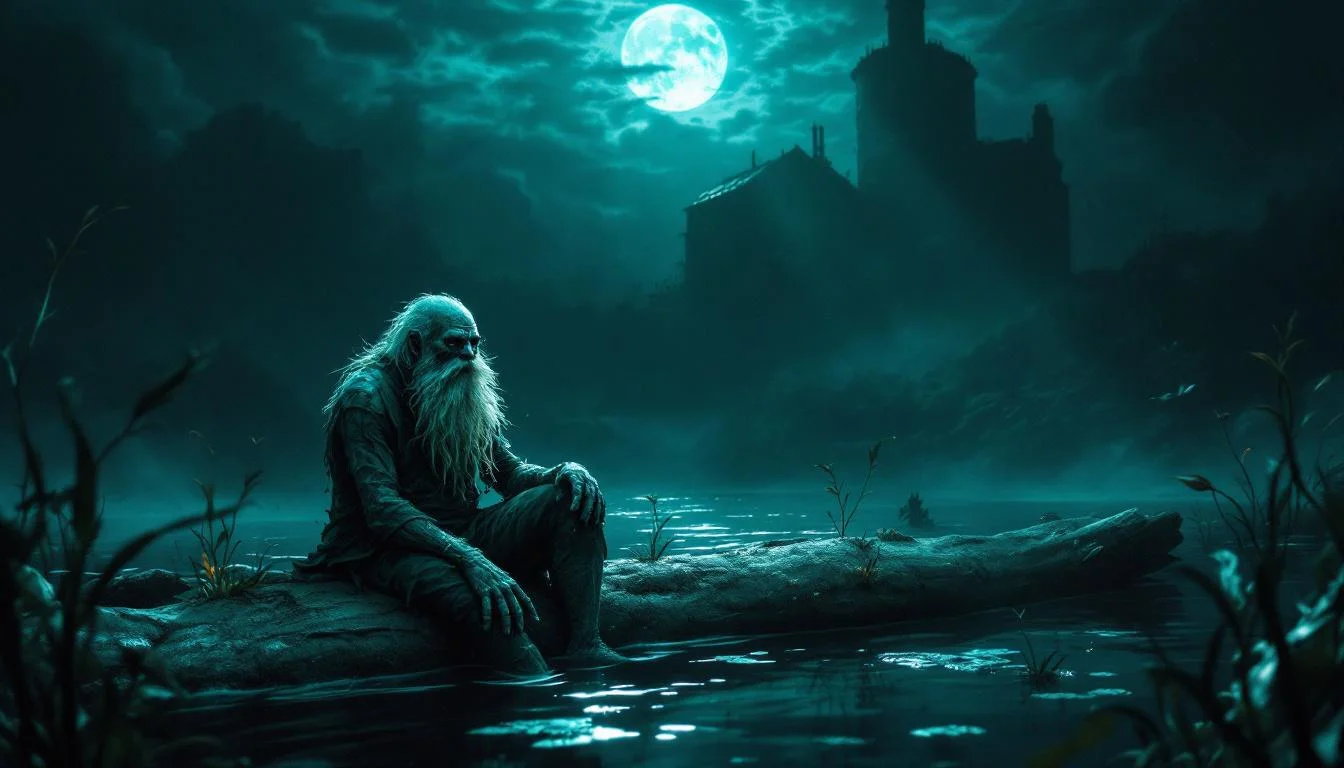
The Vodyanoy lurks in rivers, lakes, and millponds — dragging swimmers to their death. Discover the terrifying water master of Slavic folklore and how to survive him.
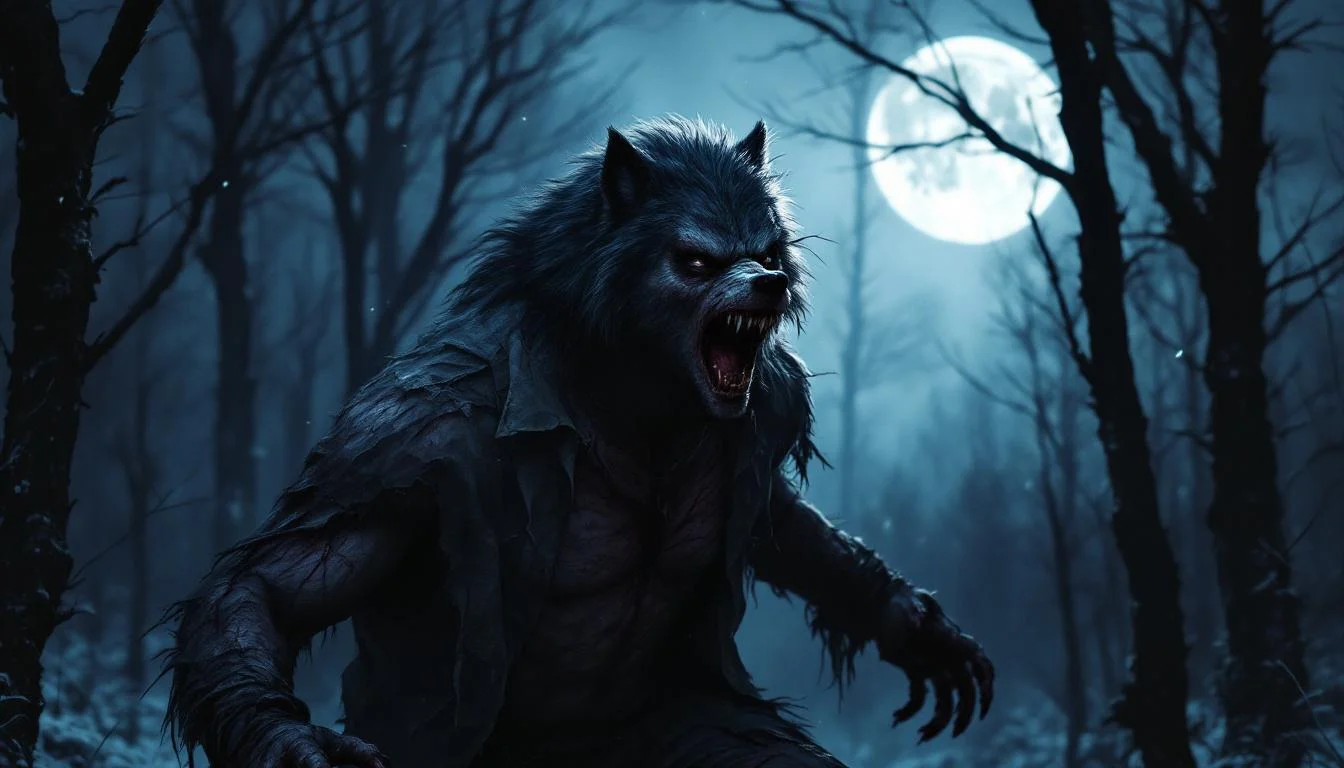
Centuries before Hollywood put fangs on a man in a fur suit, Slavic villages feared the vukodlak — a shapeshifter who blurred the line between werewolf and vampire. Discover the pan-Slavic werewolf tradition that predates every Western version.

A creature-by-creature breakdown of which Witcher monsters come from real Slavic mythology — and which ones Sapkowski invented. Accuracy ratings, folklore origins, and the truth behind every beast.
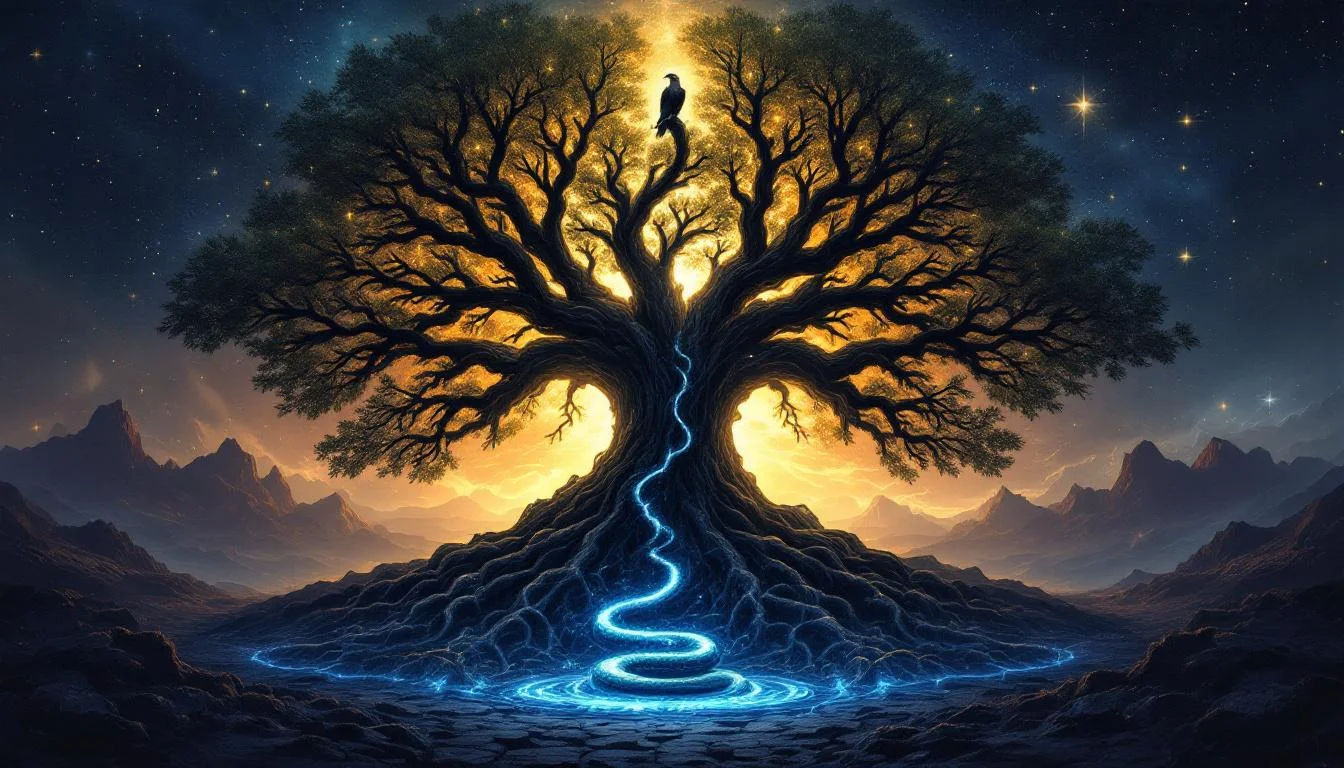
The World Tree is the axis mundi of Slavic cosmology — a colossal oak rooted in the underworld, rising through the mortal realm, and branching into the heavens. Discover how it connects Yav, Nav, and Prav.
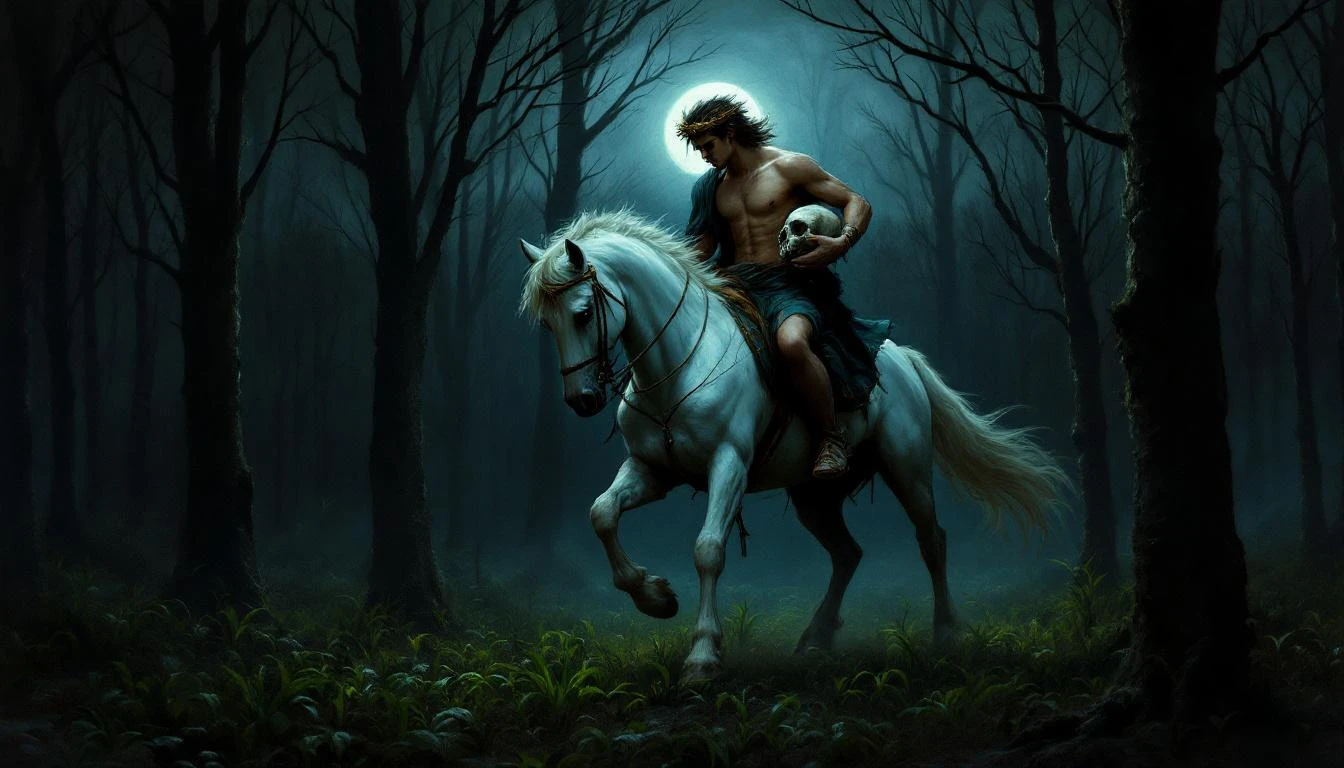
Yarilo rides into the world each spring on a white horse, trailing green behind him. He marries death, betrays her, and dies in the fields. The Slavs buried his effigy every summer — then waited for him to come back.
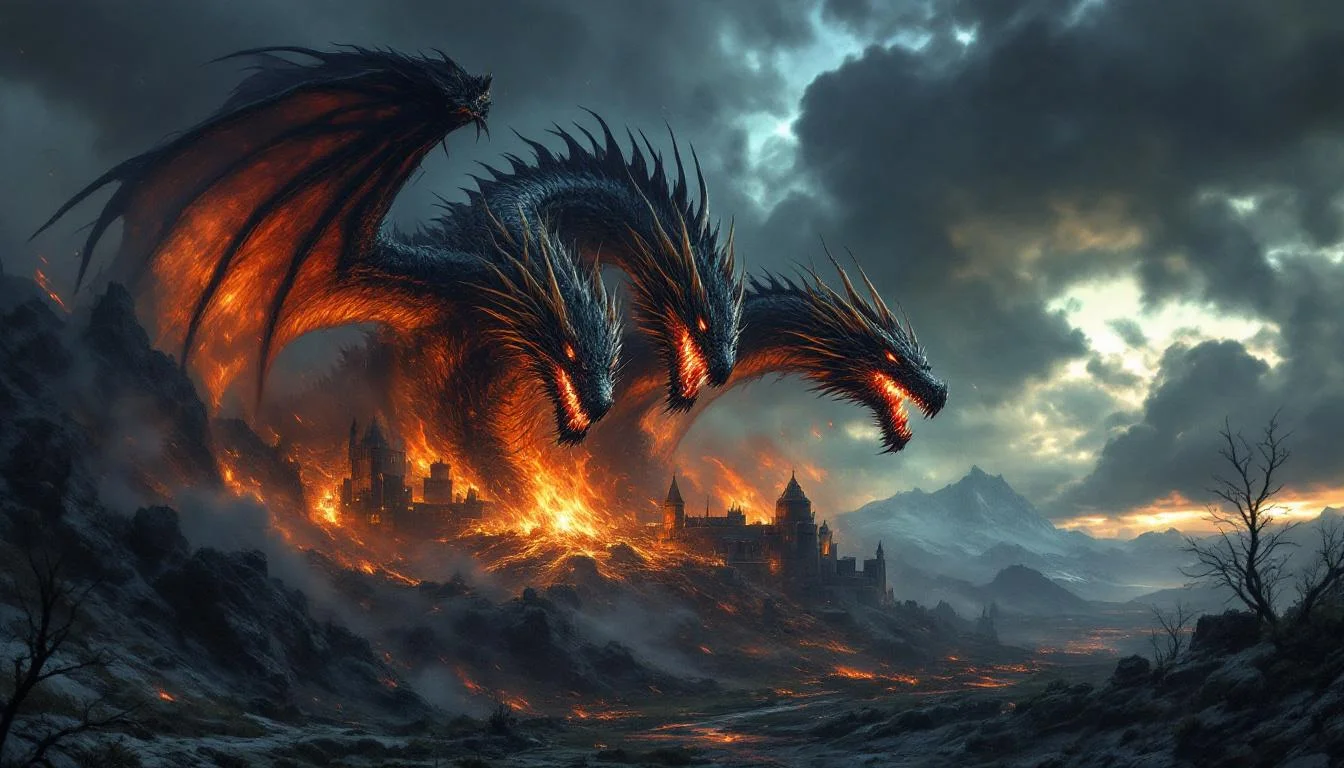
Zmey Gorynych breathes fire, speaks human language, and kidnaps princesses. But the Slavic dragon is far stranger than any Western dragon. Discover the three-headed terror.
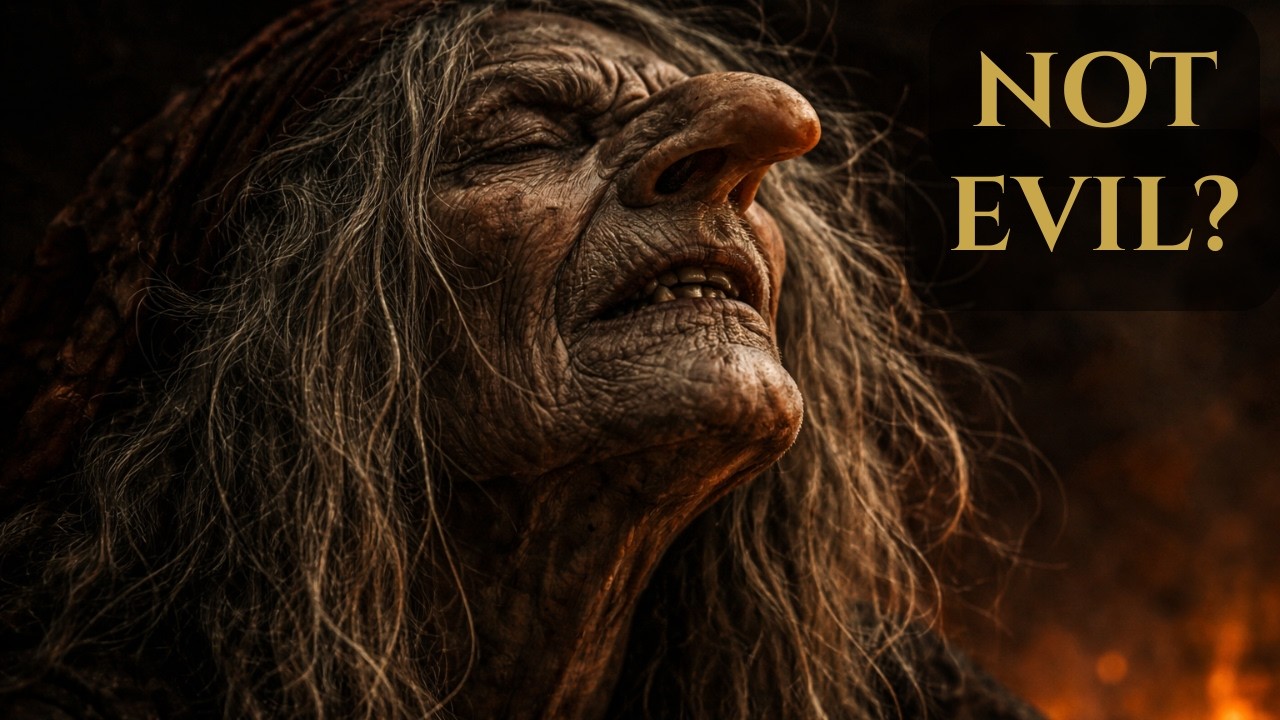
She is not a fairy tale villain. In original Slavic folklore, Baba Yaga is something far older and far more terrifying — a guardian of the boundary between the living and the dead.
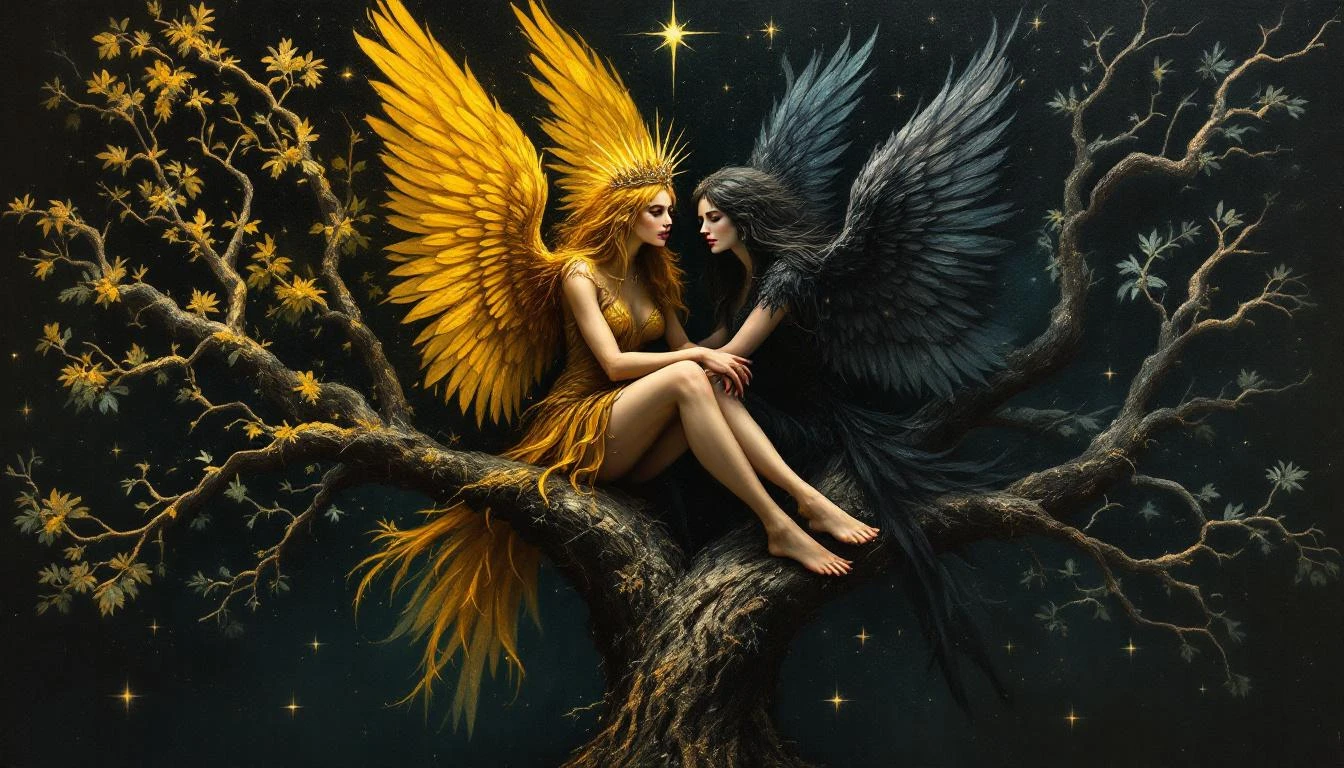
Three birds perch on the World Tree. One sings of joy so overwhelming that the listener forgets his own name. Another weeps with such beauty that the hearer follows the sound into death. The third speaks of things that have not yet happened and names of gods that the living were never meant to know.